Manchester's Castlefield Viaduct: How a Victorian railway relic became a sky garden
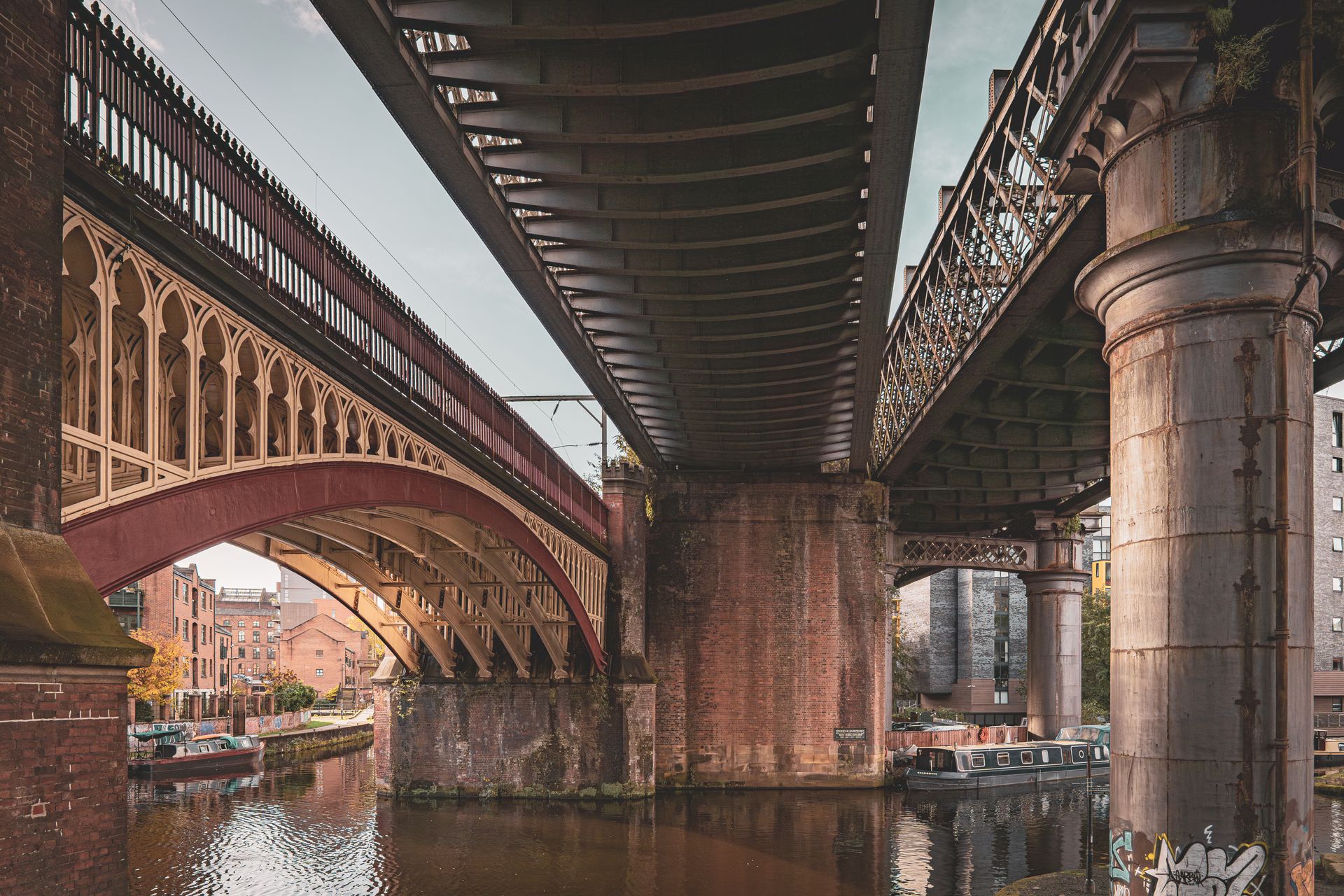
Above Manchester's Castlefield district, the Castlefield Viaduct — part of the city's industrial landscape since the mid-19th century — has been given a new life as a 'sky park'. The joint project by the National Trust and Manchester City Council opened the steel viaduct as a pilot park in 2022 and made it a permanent urban green space in 2025.
The viaduct was built in 1892 by the Manchester South Junction & Altrincham Railway. Crossing over the Castlefield canals and the remains of the Roman settlement of Mamucium, the structure was one of the bolder examples of period British railway engineering. The seven-kilometre steel-truss system supported the coal and cotton freight traffic of the era.
Passenger service ended in 1969; the entire line was closed in 1980. The viaduct then stood for 40 years as an unused Victorian monument on the city skyline. The visual impact of the steel structure was repeatedly cited as a 'resource the city could reconsider'.
In 2022, the National Trust opened a section of the viaduct as an 18-month pilot park. Approximately 330 metres of length featured more than 3,000 plants, alongside exhibition areas, art installations and zones for children's activities. The pilot drew more than 100,000 visitors; feedback and funding ultimately drove the decision to make the project permanent.
The permanent design carries echoes of Atlanta's BeltLine and New York's High Line; one notable difference, however, is that Manchester's project leaves the existing industrial steel truss visually unchanged — the bridge is enriched with contemporary glass and steel additions rather than wood cladding. Visitors thus see 19th-century Victorian railway engineering in its original form.
In urban-ecology terms, the viaduct provides a precious green corridor in a dense city like Manchester. According to a 2024 study by the University of Manchester's Department of Environmental Sciences, the count of bird and insect species recorded on and around the viaduct is 47% higher than other sections of the Castlefield canalside. Honey bees, butterflies and bats are among species actively observed.
Manchester's engagement with its industrial heritage has become a central cultural theme over the past 30 years. The city earned the 'workshop of the world' nickname of the 19th century from this era — in the 1850s, half of the world's cotton industry was processed here. The viaduct is one of the period's pioneering relics; similarly restored landmarks include Manchester Liverpool Road Railway Station (now the Science and Industry Museum) and the Castlefield canal system.
Tom Hibbert, lead partner at the design studio Twelve Architects involved in the project, said: 'Castlefield Viaduct is a symbol of Manchester reclaiming its past while reimagining its future. Trains no longer cross, but walkers in the sky park feel that they are passing over rails that once carried trains toward Liverpool — and that historical continuity matters to the city.'
The National Trust has made the park free to enter — no ticket fee, with the viewing deck and exhibition area open seven days a week. The target is 250,000 annual visitors; numbers reportedly exceed that in spring and autumn months. The park is listed as a reference project under the 'climate-resilient city' heading of Manchester's 2030 vision plan.
Similar urban viaduct redevelopment projects are also being followed across European cities. Paris's Promenade Plantée (1993), Berlin's Gleisdreieck Park (2011) and now Castlefield are leading examples of how abandoned railway infrastructure can be re-integrated into urban ecology and civic life. For visitors, the park is a ten-minute walk from Manchester Piccadilly station, crossing over the Castlefield Basin.