The Pit That Held a Poet: François Villon at the Château de Meung-sur-Loire
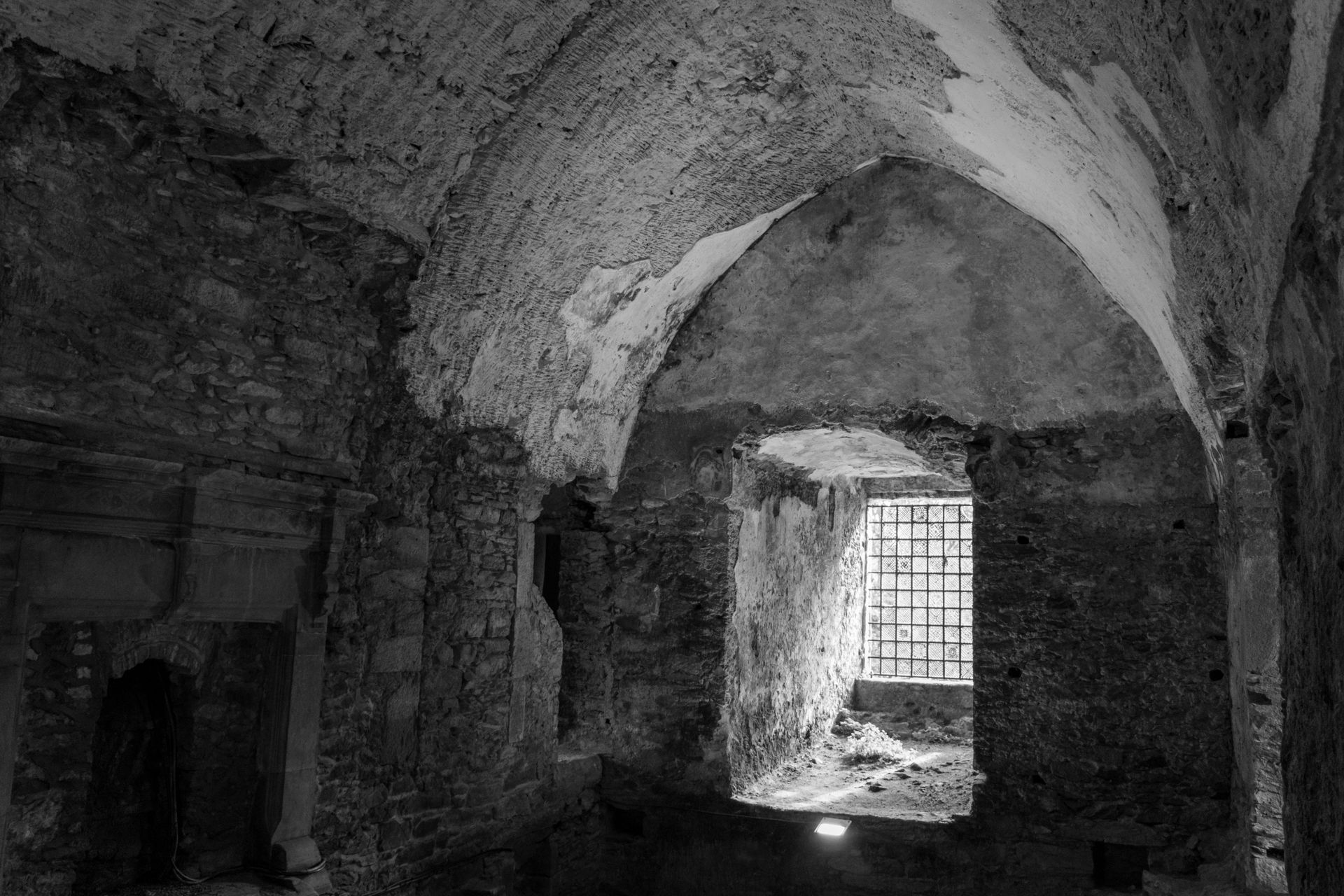
In the summer of 1461, the young French poet François Villon, already convicted in Paris of manslaughter and robbery, was thrown into a pit-dungeon beneath the Château de Meung-sur-Loire on the orders of Thibault d'Aussigny, Bishop of Orléans. There was no trial. Villon was simply lowered into the dark to face cold, hunger and the prospect of being forgotten.
He survived. That October, King Louis XI passed through Meung and proclaimed a general pardon, and the poet walked out. The experience saturates the opening stanzas of Le Testament, written soon afterward: Villon names the bishop, describes the chill of the cell and reckons with the nearness of death, although he never names the town itself. Contemporary readers did not need him to.
The Château de Meung-sur-Loire, a much-towered structure mingling medieval bones with 18th-century additions, is among France's more unusual historic houses. The pit-cell, highlighted by Atlas Obscura on May 6, 2026, can still be entered today, offering an unusually concrete glimpse of the physical conditions that shaped one of the cornerstones of medieval French literature.