What happened to the bones of millions of slaughtered American bison
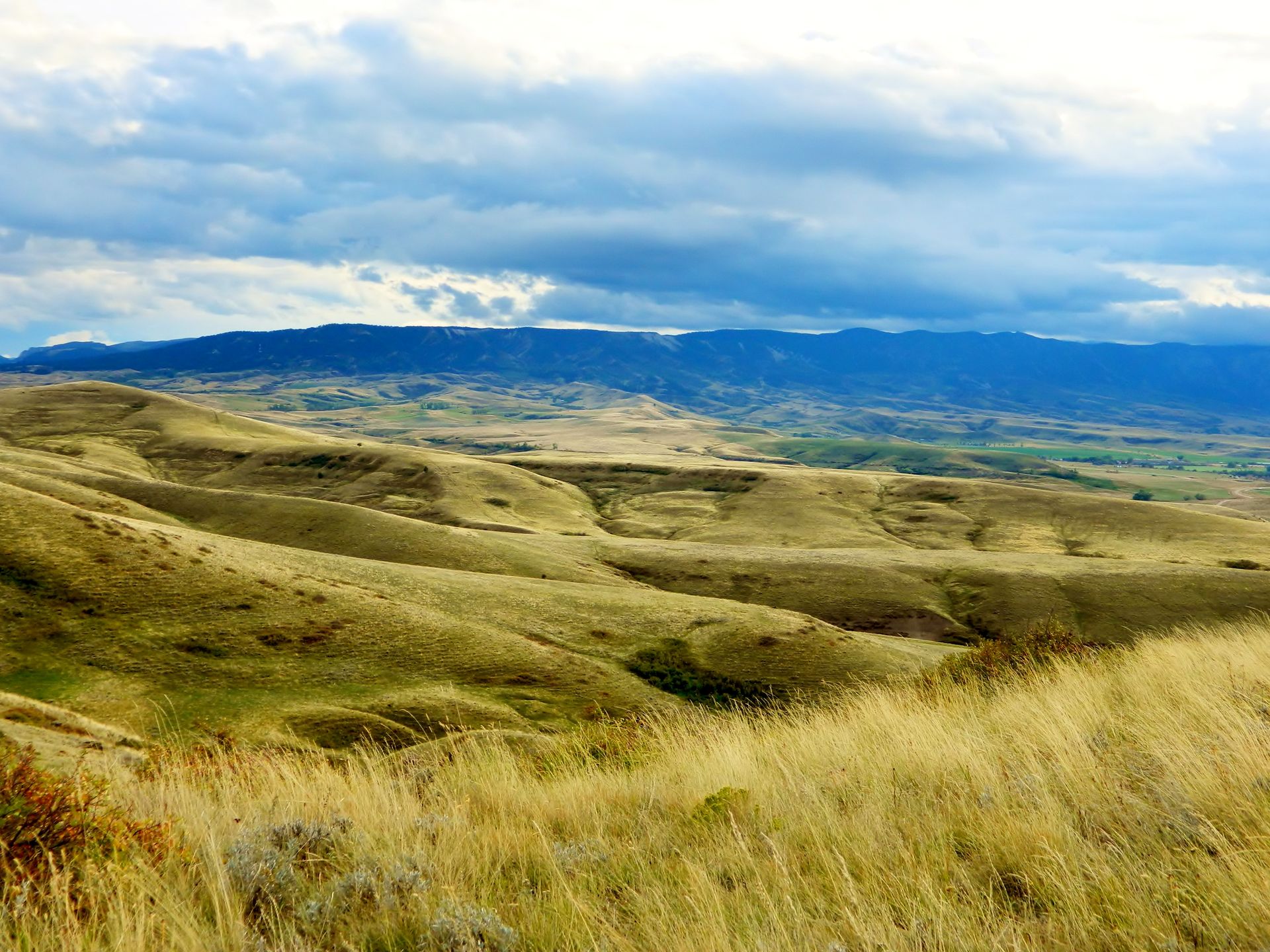
By the late 19th century, the bison herds that once roamed North America's Great Plains, estimated at close to 30 million individuals, had collapsed to a few hundred animals within a matter of decades. The story of that collapse is usually told through the exploitation of hides and meat, but it has a lesser-known dimension: what happened to the bones left behind.
At the peak of bison hunting, hunters often killed the animals solely to take the hides, or to collect select parts such as the tongue, leaving the rest of the carcass to rot on the plains. That quickly resulted in enormous quantities of bleached bone covering large stretches of the plains, some contemporary accounts describe piles of bone visible all the way to the horizon.
Those bone piles turned into an unexpected source of income for farmers and settlers amid economic hardship. Railroad companies offered special rates for collecting and transporting bones eastward, turning bone collection into a temporary but significant local economy in some regions.
The ultimate use of the collected bones is perhaps the most surprising part. The bones were ground up and used as fertilizer, exported to eastern states and even to Europe to boost the productivity of farmland. That created a strange cycle in which the near-annihilation of a species, on one hand, ended up supporting agricultural production on the other.
Bones were also in demand from sugar refineries. Ground bone char was used as a filtering material to clarify and remove color from sugar syrup, another example of how the era's industrializing food production was indirectly connected to a distant ecological catastrophe.
Some bones were processed for even more specific purposes: manufacturing buttons, knife handles and decorative objects. Such products offered consumers of the era the chance to own a physical piece of a species that was then vanishing, a further sign of how the bison's extinction itself became a kind of commodity.
Historians stress that the scale of this bone trade deepened the destructive impact of bison hunting still further. The ability to collect and sell bones created an additional economic incentive for hunting, and even after the species' population had collapsed, economic value continued to be extracted from the region through the collection of remaining bones.
This history is also part of the devastating impact on Native peoples' ways of life. For many Native nations of the Great Plains, the bison stood at the center of food, shelter, clothing, and spiritual life. The systematic destruction of the herds is seen, in part, as a tool for forcing these communities into dependence on reservations.
By the early 20th century, conservation efforts managed to save a small remnant of the bison population, and the species survives today in national parks and on private ranches. But the history of the bone trade is a reminder of just how extensive the economic mechanisms behind the species' near-total destruction actually were.
Today, this history is studied as a striking example of how ecological devastation turned into a series of interlocking economic activities, a species' extinction becoming a process in which every remaining fragment found a market.
Read next

On this day: John Dillinger is killed by federal agents outside a Chicago theater
On 22 July 1934, John Dillinger, then the nation's most wanted fugitive, was shot dead by federal agents as he left Chicago's Biograph Theater. His death marked the end of the Depression era's most notorious bank robber and became one of the defining moments in shaping the modern FBI's public image.
Why did Henry VIII boil his cook alive? Grisly tales from Tudor England
Tudor England is remembered for its palaces and portraits, but its criminal codes could be startlingly brutal. Historians point to the case of a royal cook sentenced to death by boiling as one of the era's strangest, and most revealing, punishments.

On this day, 21 July 1861: the First Battle of Bull Run shocks a nation expecting a short war
On 21 July 1861, Union and Confederate forces clashed near Manassas, Virginia, in the first major land battle of the American Civil War. The chaotic Confederate victory dispelled hopes on both sides that the conflict would be brief.

The Dog Line: the chain of hounds that guarded Australia's most notorious prison
In the 1800s, a chained line of guard dogs was stationed across the narrow strip of land at Eaglehawk Neck to prevent escapes from the Port Arthur penal colony in Tasmania. The unusual security measure illustrates just how ruthless colonial-era Australia's methods for controlling prisoners could be.

Who was the Cyclops Polyphemus, and why did he terrify the ancient Greeks?
The one-eyed giant Polyphemus in Homer's Odyssey is one of Greek mythology's most famous monster stories. But for ancient audiences, the Cyclops was frightening in very specific, culturally loaded ways tied to the boundaries of civilization itself.