The shipwreck carrying a czar's gifts: what a Baltic Sea find revealed
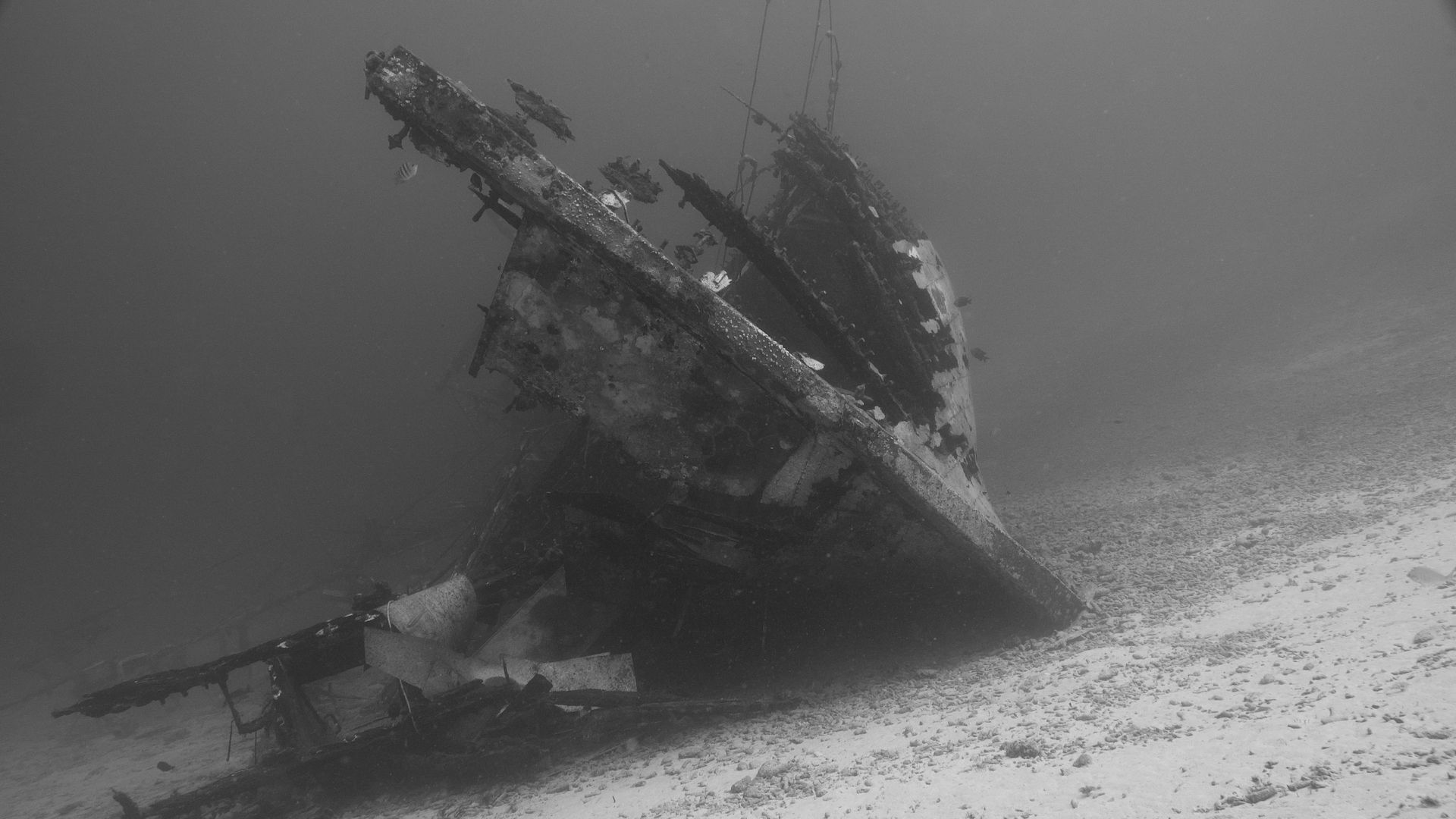
A 19th-century shipwreck discovered in Swedish coastal waters in 2024 handed archaeologists a cargo that seemed surprising at first glance: dozens of champagne bottles, jars of luxury mineral water, and rare fragments of meteorite. Finding these three items together suggested this wasn't a random commercial shipment, but a carefully curated collection of gifts.
The wreck's remarkable state of preservation in the cold, low-salinity waters of the Baltic gave researchers a rare opportunity. Such waters lack most of the organisms that typically consume wooden hulls elsewhere, so shipwrecks here tend to survive far more intact than their counterparts in the Mediterranean or the Atlantic — bottle labels, packing materials, and even cargo manifests can sometimes be found partially legible.
New research, tracing the cargo's origin, arrived at an intriguing hypothesis: these items may have been gifts sent from the German Duchy of Nassau to Russian Czar Alexander II. Dating suggests the cargo may have set sail in the immediate aftermath of the Crimean War — a delicate period when European powers were working to rebuild diplomatic relations.
Gift exchange among European royal families at the time was far more than a polite gesture; it was a formal method of repairing diplomatic ties, reinforcing alliances, and signaling status. Gifts sent from a duchy to a czar were meant to symbolize the sender's wealth and refinement.
The presence of meteorites on a gift list might seem odd at first, but it carried real significance in a 19th-century context. Scientific curiosity of the era held an intense fascination with objects that fell from the sky; meteorites were highly prized in natural history collections and, owing to their rarity, carried a gift status befitting royalty.
Champagne and mineral water represented a different category of luxury altogether. The Nassau region had, by that period, earned Europe-wide renown for the mineral water drawn from its Selters spring, exported to the continent's most prestigious courts. Champagne, meanwhile, was already a standard component of high-level diplomatic gifts.
Researchers pieced the story together by comparing the wreck's finds against period trade records and historical documents. Manufacturer stamps on bottle labels, dates on cargo lists, and records of the ship's route offered independent pieces of evidence supporting the hypothesis.
Some questions remain open, however: the ship's exact identity and whether the gifts actually reached Alexander II haven't yet been definitively confirmed. The cause of the wreck's sinking also remains unclear — whether it was a storm, a navigational error, or another kind of accident.
The find's real value lies beyond the story of any single ship: it offers a tangible cross-section of 19th-century European royal diplomacy, trade networks, and displays of status. A cargo manifest lays bare the everyday, material face behind the era's highest-level political relationships.
Archaeologists expect further examination of the wreck — particularly analysis of the bottles' contents and full decoding of the cargo list — to sharpen the story further. For now, the find stands as a rare time capsule, a reminder of the small, personal gestures behind history's larger events.
Read next

The cassette tapes that captured the voices of the Great Migration
The Great Migration, which carried millions of Black Americans from the rural South to cities in the North and West across the 20th century, is usually told through numbers and statistics. An archive of recorded interviews instead tells this history in the voices of the ordinary people who lived it.

On this day in 1966: England's only World Cup win, and the goal still argued about
On 30 July 1966 at Wembley Stadium, England beat West Germany 4-2 after extra time to win the only World Cup title in the country's history. One of Geoff Hurst's three goals rested on a goal-line decision still argued over more than 60 years later.
The prisoner who escaped the Nazis armed with only a knife and fork
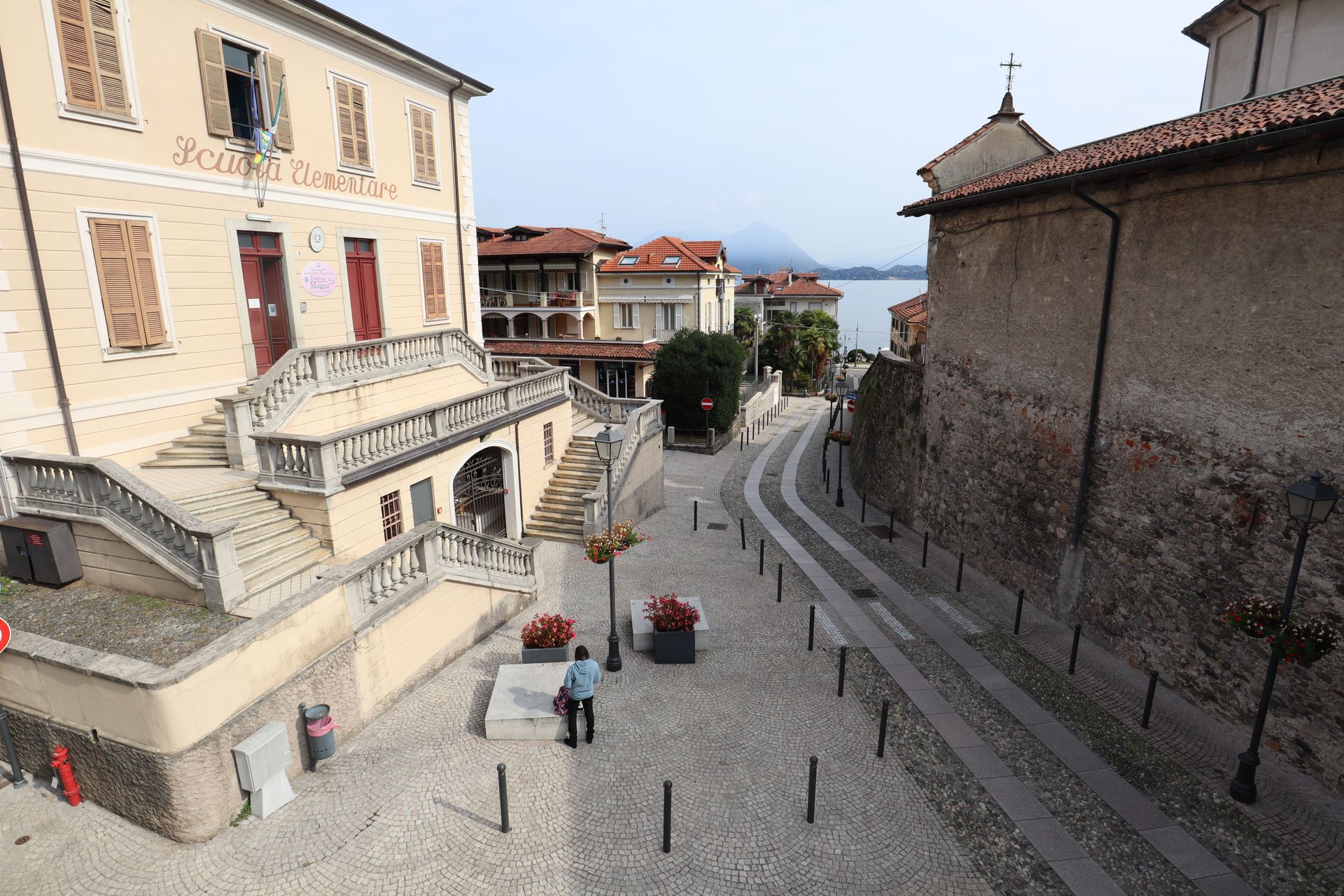
After Italy signed an armistice with the Allies in 1943, thousands of Allied prisoners of war walked out of suddenly unguarded camps and fought to survive in the mountainous Italian countryside. Historian Malcolm Gaskill spent years travelling around Italy retracing the escape route taken by his great-uncle Ralph. Here is the research behind a story of quiet courage.

The Pompeii survivors: what happened to the people who escaped Mount Vesuvius
Pompeii usually conjures images of bodies frozen in ash, but thousands of the city's residents also managed to escape the catastrophe of 79 CE. In recent years, archaeologists have increasingly turned their attention to the survivors — where they went, what they lost, and how they rebuilt their lives. Here is the often-untold story of those who escaped Vesuvius's shadow.

On this day, 29 July 1958: the act that created NASA is signed into law
On 29 July 1958, US President Dwight D. Eisenhower signed the National Aeronautics and Space Act, paving the way for the creation of NASA, the country's civilian space agency. The act took shape rapidly in the aftermath of the Soviet Union's launch of Sputnik, and it cemented a decision to run America's space program under civilian rather than military control. It marked the founding of one of the most recognisable scientific institutions in human history.