Goalkeeper tactical timeouts to be banned at 2026 World Cup
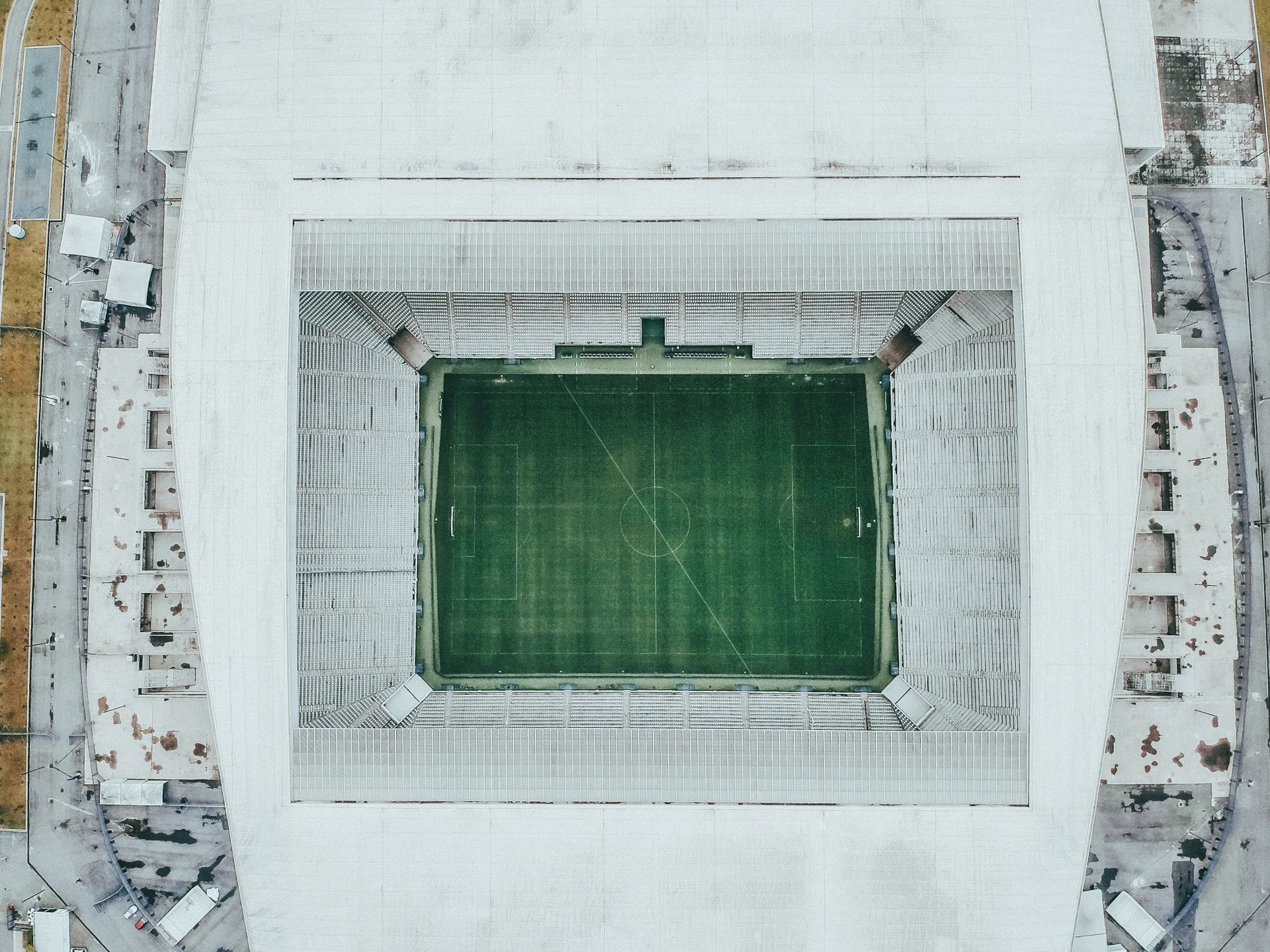
The International Football Association Board (IFAB) and FIFA have approved a rule change that will reshape how teams use injury stoppages at the 2026 World Cup. According to BBC Sport, outfield players will be barred from heading to the technical area to confer with coaches whenever a goalkeeper is receiving treatment.
The move is widely read as a direct response to a growing wave of game-management tactics. Goalkeepers going down late in matches, followed by teammates drifting to the touchline for hurried 'quick chats', forced referees to repeatedly recalculate added time and disrupted the rhythm of the closing minutes.
IFAB officials emphasise that the goal is to preserve the flow of play. Under the new protocol, only the medical team may enter the pitch while a goalkeeper is down. Head coaches and assistants will not be permitted to summon players to the touchline. A player who violates the rule will receive a yellow card.
For goalkeepers and coaching staff, the change will require a fresh look at in-match communication. Tactical adjustments delivered via a vocal chain through the captain, set or coded gestures, or signs from a designated zone of the bench may continue, but the touchline conversation that became a familiar sight is now off the table.
Referees' responsibilities are also being refined. The fourth official and technical-area monitor will intervene directly if a player approaches the touchline during a goalkeeper injury. If a coach is the one calling a player over, that staff member may be warned and, on a second occurrence, sent from the technical area.
The rule is set to take effect on 1 June, giving FIFA the final lead-up to the 2026 World Cup as a window for referee crews to embed the protocol. Pre-match briefings will spell out the change for each team, FIFA has said, ensuring no squad arrives at the tournament unaware.
Incidents during the recent UEFA Champions League final and on the closing weekend of several European leagues helped sharpen the debate. The use of goalkeeper injuries as a de facto tactical timeout in stoppage time drew pointed criticism from analysts and broadcasters. BBC Sport reports that the new rule is designed to close that grey area.
The first reactions from players have been mixed. Several goalkeepers note that genuine injuries still require immediate care, and the rule does not change that. Captains, however, point out that limited tactical contact during high-tempo matches may pose a challenge. More detailed responses are expected after squads complete their pre-tournament team meetings.
How the rule will function during the expanded 2026 World Cup, which moves from 32 to 48 teams, is a particular interest. A larger fixture list and referee crews drawn from every continent will test consistency in application. FIFA has said that referee and VAR teams will train on the new protocol throughout June.
The change is being framed as part of a broader IFAB and FIFA push to increase the genuine time the ball is in play. It joins earlier interventions including the time limit on goalkeepers holding the ball, intervention on slow throw-ins, and the expanded stoppage time used at recent tournaments, all aimed at addressing chronic time-wasting and restoring the flow of the game.