Swiatek beats Rybakina in straight sets to win her first title of a turbulent season

Iga Swiatek closed out the Canadian Open with a straight-set victory over Elena Rybakina in the final, securing her first WTA title of the season and offering a measure of relief in what the Polish player had openly described, in the buildup to the tournament, as the most difficult season of her career. The win in Toronto came after both players fought through tightly contested semifinal matches, each needing three sets to reach the final.
Swiatek, a five-time Grand Slam champion and former world number one, has spent much of the season navigating a form dip by her own exceptionally high standards, having gone winless in tour-level finals through the earlier months of the year despite reaching several. That drought made the Toronto title Swiatek's first trophy of 2026, a notable gap for a player whose dominance of the tour between 2022 and 2024 established her as arguably the most consistent title-winner in the women's game over that stretch.
Rybakina, the Kazakhstani player known for one of the most powerful serves on tour, had reached the final by working through her own testing draw, including a comeback win over Naomi Osaka in the quarterfinals after falling behind a set and a break. Her run to the final continued a pattern of strong hard-court form that has made her a consistent threat at the season's remaining major tournaments, even in years when her results across the broader tour have been less consistent.
The final itself followed a pattern familiar to observers of the Swiatek-Rybakina rivalry: Swiatek's heavy topspin forehand and relentless baseline consistency against Rybakina's flatter, more powerful ball-striking and dominant serve. Swiatek's ability to neutralize Rybakina's serve through elite return positioning and quick redirection of pace has historically been a decisive factor in their previous meetings, and Friday's final followed a broadly similar script, with Swiatek's movement and defensive coverage limiting the free points Rybakina's serve typically generates against less mobile opponents.
For Swiatek, the significance of the title extends beyond the trophy itself. Coming off a season complicated by a doping-related suspension in 2024 that she has since served and publicly addressed, along with an adjustment period under a restructured coaching team, Swiatek has spoken candidly in press conferences throughout the year about the mental and competitive challenges of returning to the tour's top tier after a period of turbulence both on and off the court. A title, particularly one earned by working through a genuinely difficult three-set semifinal rather than cruising through a weak draw, carries outsized value as a confidence marker heading into the closing stretch of the season.
The result also has broader implications for the increasingly competitive landscape at the top of the women's game. With the traditional dominance of a small handful of players having given way to a more open field over the past two seasons, featuring the emergence of younger contenders alongside established champions like Swiatek and Rybakina, ranking points and title momentum heading into the US Open — the year's final Grand Slam — carry particular weight for players looking to finish the season strongly.
Rybakina, for her part, leaves Toronto with her own reasons for encouragement despite the runner-up finish. Her run through a difficult draw, including the comeback win over Osaka, demonstrated the physical and competitive resilience that has made her one of the more dangerous floaters in any draw at major tournaments, capable of taking down higher-ranked opponents on her day even during stretches when her ranking has not fully reflected her ceiling.
Swiatek's coaching team, in comments following the final, framed the title less as a return to her previous dominant form and more as evidence of steady progress through a season that required genuine rebuilding rather than a quick fix. The distinction matters for how the win is likely to be read heading into the US Open: not as confirmation that Swiatek has fully returned to her 2022-2024 peak, but as a data point suggesting the trajectory of her season is trending in the right direction at a meaningful moment in the calendar.
For a player whose career has been defined by extended stretches of near-total dominance, a single hard-court title carries a different weight than it might for most competitors — simultaneously a modest return relative to her own historical standards and a genuinely significant marker of recovery from what she herself has called the toughest season of her career.
Read next
Chelsea say Enzo Fernandez talks are over as deadline passes. Is it really settled?
Chelsea's self-imposed deadline for clubs to meet their roughly £120m valuation of Enzo Fernandez has passed without a matching bid, and the club now expects the Argentine midfielder to stay through the season. But the transfer saga's history of late twists means few in the game are treating the matter as fully closed.
Russell Westbrook retires after 18 NBA seasons — assessing a polarising legacy
Russell Westbrook, who played 18 NBA seasons across seven teams, announced his retirement on Wednesday. The player who revived the triple-double as a statistical benchmark leaves behind a legacy that has drawn both admiration and debate throughout his career.

Reijnders set to leave Manchester City for Saudi Pro League in £52m move
Manchester City midfielder Tijjani Reijnders is set to leave the club after just one season, with a £52m move agreed with Saudi Pro League side Al-Qadsiah. The transfer is the latest example of a continuing pull of established stars from Europe's biggest clubs toward Saudi Arabia's growing league.
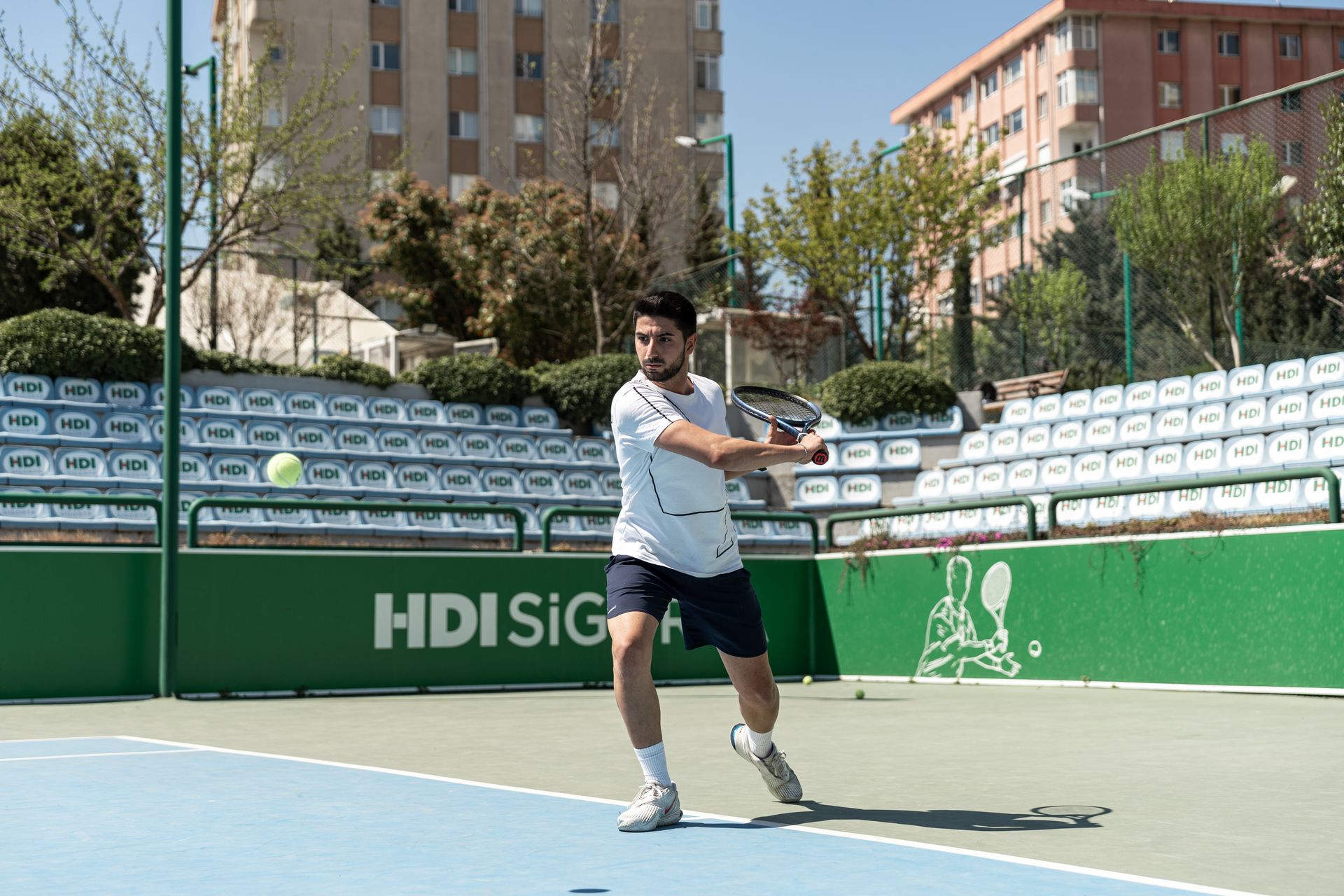
Rybakina fights back from a set and a break down to eliminate Osaka in Canadian Open thriller
Elena Rybakina overturned a set and a break deficit to beat Naomi Osaka in three sets and reach the Canadian Open semi-finals, in one of the tournament's most dramatic matches. The comeback continues a strong recent run for Rybakina against elite opposition on North American hard courts.

Teenager Brian Madjo announces himself in Aston Villa's Super Cup defeat by PSG
Aston Villa lost 2-1 to Paris Saint-Germain in the UEFA Super Cup, but the result was overshadowed by a striking performance from 17-year-old forward Brian Madjo, who caused problems for PSG's defence throughout. Match of the Day pundits Nedum Onuoha and Stephen Warnock praised the teenager's composure against a Champions League-winning side.