Can anyone stop France? Inside the World Cup form of Mbappe and Les Bleus

France arrived at the knockout stages of the World Cup looking like one of the tournament's most complete teams, and a commanding victory over Sweden did little to dampen that impression. With Kylian Mbappe scoring twice, according to the BBC, Les Bleus advanced in a manner that has renewed a familiar question at major tournaments: can anyone stop France?
The performance against Sweden showcased the qualities that make France so difficult to contain. Mbappe, one of the most dangerous attackers in the game, remains the focal point, capable of deciding matches with bursts of pace and clinical finishing. His double against Sweden underlined why opponents structure so much of their planning around trying to limit his influence, often without success.
But the argument that France are more than a one-man team is central to their status as contenders. Beyond Mbappe, the squad is stocked with talent across every line, and part of what makes them formidable is the sense that they can hurt opponents in multiple ways. When a team can call on depth of that kind, neutralising a single player is rarely enough to blunt the whole attack.
That depth is a recurring theme in analysis of this France side. Injuries and rotation, which would weaken many national teams, are absorbed more easily by a squad with quality reserves in most positions. The ability to change personnel without a steep drop in level gives the coaching staff options during a long tournament, when fatigue and suspensions inevitably test the strength of a squad.
Management and organisation underpin the individual talent. France's setup has generally been built on a solid defensive structure and disciplined shape, giving their attackers a stable platform from which to operate. A team that defends well and concedes little can afford to wait for its forwards to produce a decisive moment, and France have often shown the patience to do exactly that.
The question of who might stop them is one every tournament produces about a leading side, and history counsels caution against assuming any team is unbeatable. Knockout football is unforgiving, decided by fine margins, individual errors, refereeing calls and the bounce of a ball. A single poor night, a red card or a moment of brilliance from an opponent can end even the strongest team's run.
Other contenders will look at France and search for vulnerabilities. Pressing high to deny time on the ball, crowding the spaces Mbappe likes to attack, and taking chances at the other end are among the approaches sides may try. Whether any can execute such a plan across ninety or more minutes against opponents of this quality is the challenge that defines a deep run in a World Cup.
For France, the task is to maintain focus and avoid the complacency that can accompany favouritism. Tournaments are littered with strong teams that faltered when expectation grew, and the discipline to treat each match on its own terms is often what separates the sides that go all the way from those that fall short despite obvious talent.
The emotional and narrative dimensions add to the interest. Mbappe's continued brilliance keeps him among the defining players of his generation, and each tournament adds to a story that supporters and neutrals alike follow closely. A France team built around him carries both the weight of expectation and the appeal of watching a side capable of moments that decide the biggest matches.
As the tournament progresses, the France question will only sharpen. Their win over Sweden reinforced their standing among the favourites, but the knockout rounds guarantee stiffer tests to come. Whether anyone can stop them will be answered on the pitch, one match at a time, and it is precisely that uncertainty that makes their run one of the stories to watch at this World Cup.
Read next
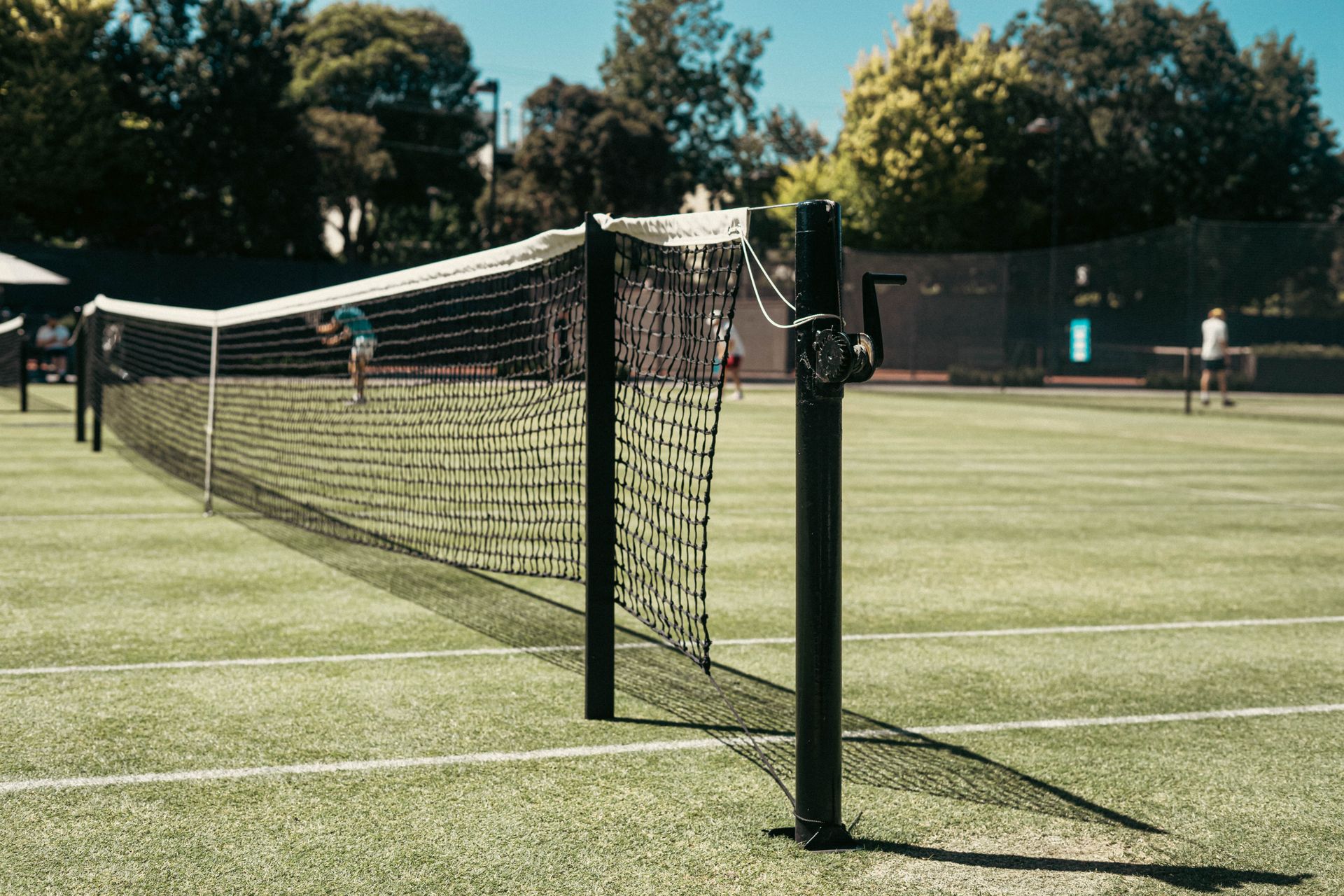
Serena Williams falls just short on emotional Wimbledon singles return
Serena Williams returned to singles at Wimbledon for the first time in nearly four years but lost a closely contested match, according to the BBC. Her comeback drew huge attention, with powerful serving offset by the challenge of movement after a long absence.

George Russell holds his nerve to win the Austrian Grand Prix
George Russell held off pressure to win the Austrian Grand Prix, the BBC reports, claiming a composed victory that strengthens his standing in the Formula 1 season. The result keeps Mercedes in the conversation at the front of the field.
Germany out of the World Cup: Paraguay win on penalties as questions follow Nagelsmann
Germany have been knocked out of the World Cup after losing a penalty shootout to Paraguay, the BBC reports. The early exit puts head coach Julian Nagelsmann and the direction of the national team under intense scrutiny.

LaMelo Ball traded from the Hornets to the Timberwolves: inside the deal
A notable trade has gone through in the NBA: the Charlotte Hornets' star point guard LaMelo Ball has moved to the Minnesota Timberwolves. According to ESPN, Charlotte received a player and draft picks as part of the deal.

Turkey beat the United States with a late winner at the World Cup
Turkey found a morale boost by beating the United States with a goal in the closing stages of their World Cup match. According to Sky Sports, the late winner turned a hard-fought game in Turkey's favour.