Serena Williams falls just short on emotional Wimbledon singles return
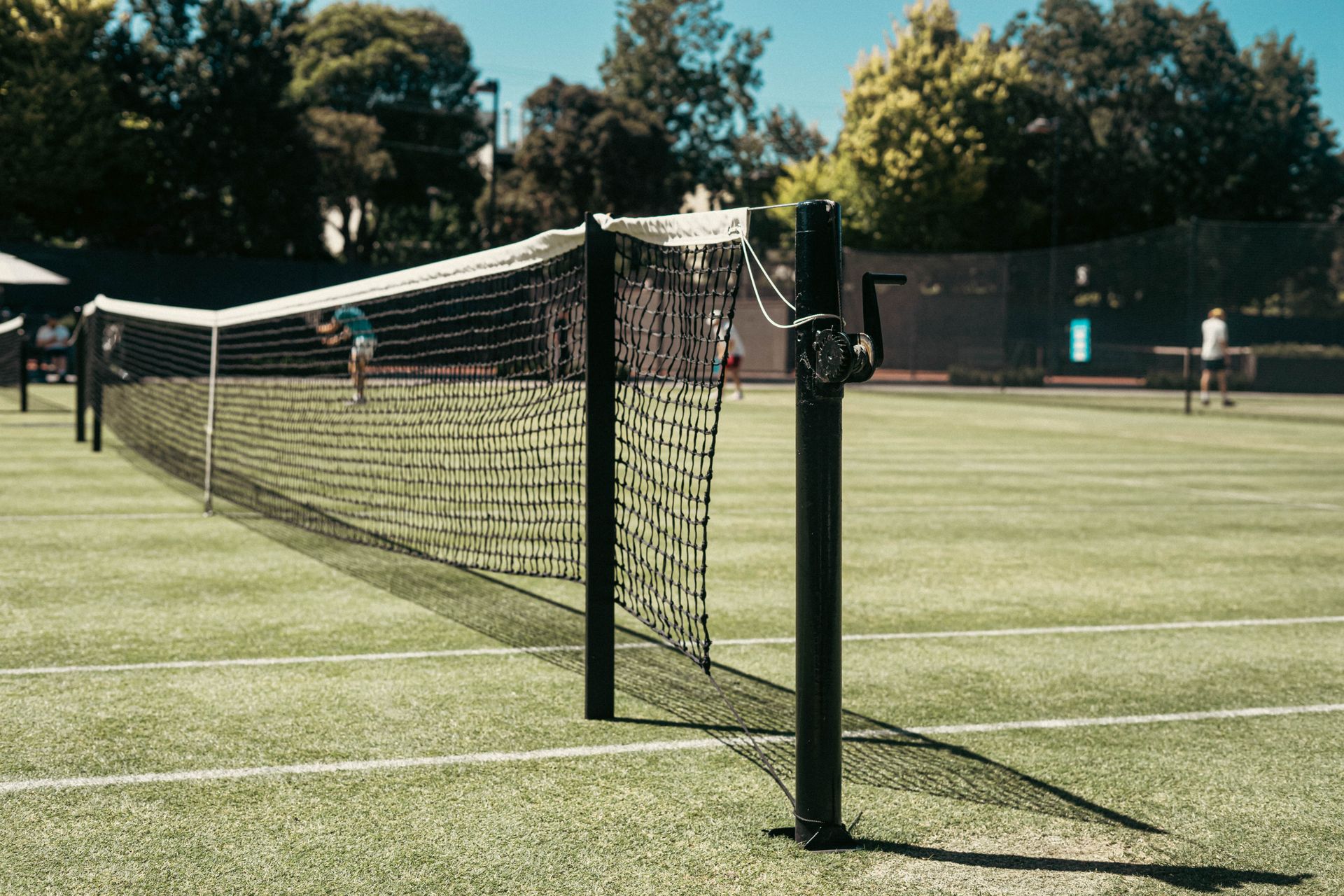
Serena Williams returned to singles competition at Wimbledon for the first time in nearly four years, and although the comeback ended in a narrow defeat, according to the BBC, the occasion carried a significance that went well beyond the result. Few returns in tennis generate the level of attention that surrounds one of the sport's most decorated figures stepping back onto its most famous court.
The match itself was closely contested. Williams pushed her opponent hard before falling just short, in a contest that showcased both what she can still summon and the challenges of returning after a long spell away from the singles game. For a player whose career has been defined by dominance, a narrow loss on a comeback is a different kind of test, measured as much by the performance as by the scoreline.
According to the BBC's coverage, her serve remained a formidable weapon, with deliveries clocked at high speeds that underlined why it has long been considered among the best the women's game has seen. The serve is often the last weapon to desert a great player, and its power gave Williams a foundation to compete even against an opponent with the advantage of recent match sharpness.
The greater difficulty, as the reporting noted, lay in movement. Covering the court, changing direction and sustaining that intensity across a long match are demanding after time away, and rust in those areas can be decisive at the highest level, where the margins between winning and losing points are small. It was in the physical demands of extended rallies that the effects of the absence were most apparent.
Returns of this kind are inherently difficult. Match fitness is hard to replicate in practice, and the sharpness required to win tight moments against players competing week in and week out takes time to rebuild. Even for an athlete of Williams's calibre, the gap between training and competitive intensity is real, and a first match back is often about reacquainting oneself with that level as much as winning.
The emotional weight of the occasion was considerable. Williams's career has left a profound mark on tennis, and her appearances are followed by supporters who have watched her across many years and by newer fans drawn to the significance of the moment. A return to Wimbledon singles, on a stage so associated with her past achievements, was always going to be about more than a single result.
Comebacks in sport rarely follow a straight line, and a narrow first-round loss does not settle the questions that surround them. What such a match provides is information: a sense of where the game stands, what still functions at a high level and what needs work. For Williams, the powerful serving offers encouragement, while the movement points to the areas that a return at the elite level would need to address.
The wider story is part of a familiar pattern in tennis, where celebrated players test whether they can compete again after time away. Each such return invites comparison with a player's peak, an unfair but unavoidable measure, and the interest lies in seeing how someone who has achieved so much responds to the different challenge of coming back rather than dominating.
Whatever comes next, the return itself was the event. Stepping back onto the Wimbledon singles court after nearly four years, competing closely and pushing an opponent to the limit, was a story in its own right regardless of the outcome. The attention it drew reflected the place Williams holds in the sport and the enduring appeal of watching a great competitor return to the arena.
The defeat closes this particular chapter but leaves the broader questions open. Whether it proves a one-off appearance or the start of a longer effort, Williams's Wimbledon return was a reminder of the pull that top athletes retain long after their peak, and of how much interest still gathers around them when they choose to step back into competition.
Read next

Can anyone stop France? Inside the World Cup form of Mbappe and Les Bleus
France advanced at the World Cup with a commanding win over Sweden in which Kylian Mbappe scored twice, according to the BBC. The performance has renewed questions about whether any side can stop a France team combining star quality with strength in depth.

George Russell holds his nerve to win the Austrian Grand Prix
George Russell held off pressure to win the Austrian Grand Prix, the BBC reports, claiming a composed victory that strengthens his standing in the Formula 1 season. The result keeps Mercedes in the conversation at the front of the field.
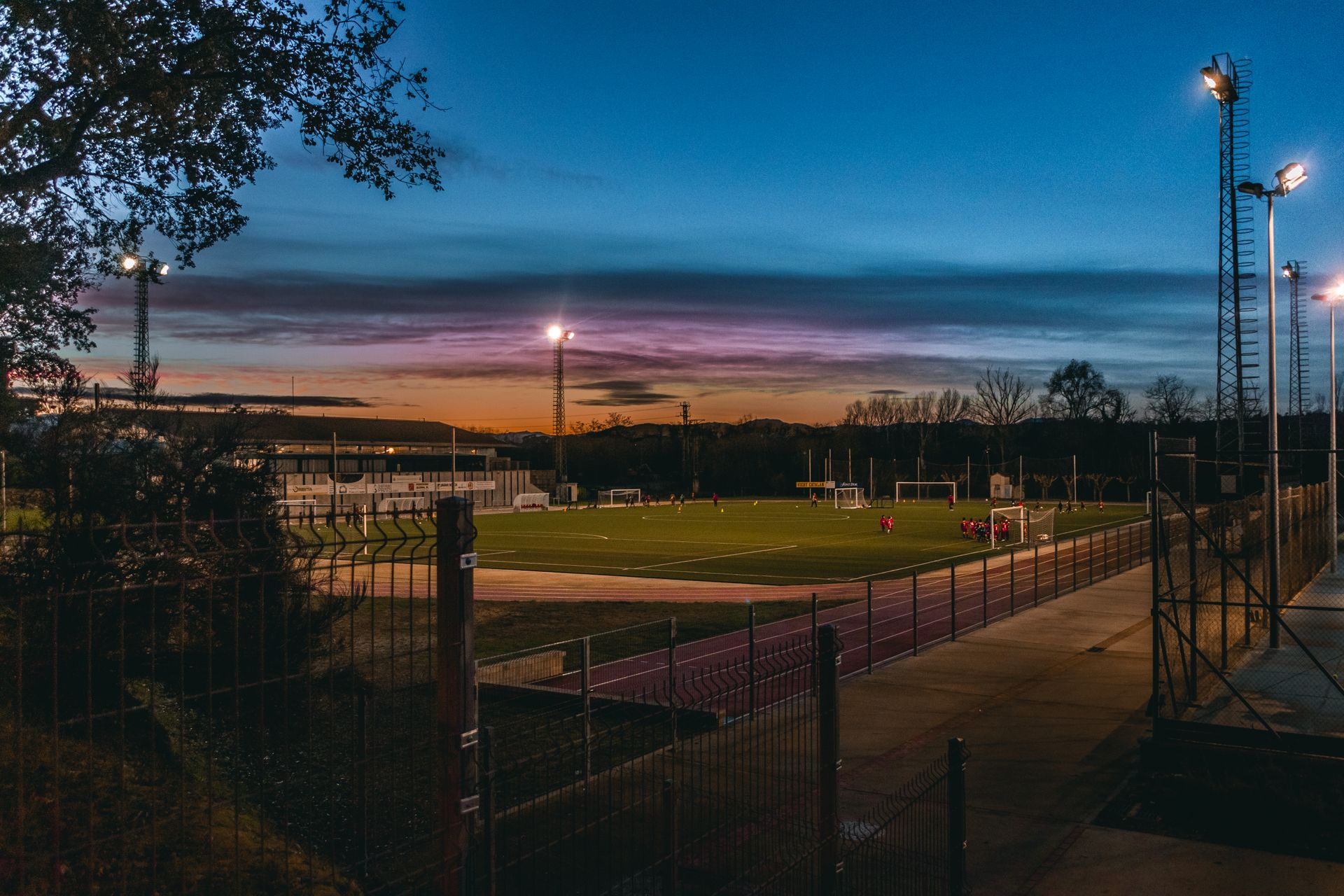
Germany out of the World Cup: Paraguay win on penalties as questions follow Nagelsmann
Germany have been knocked out of the World Cup after losing a penalty shootout to Paraguay, the BBC reports. The early exit puts head coach Julian Nagelsmann and the direction of the national team under intense scrutiny.
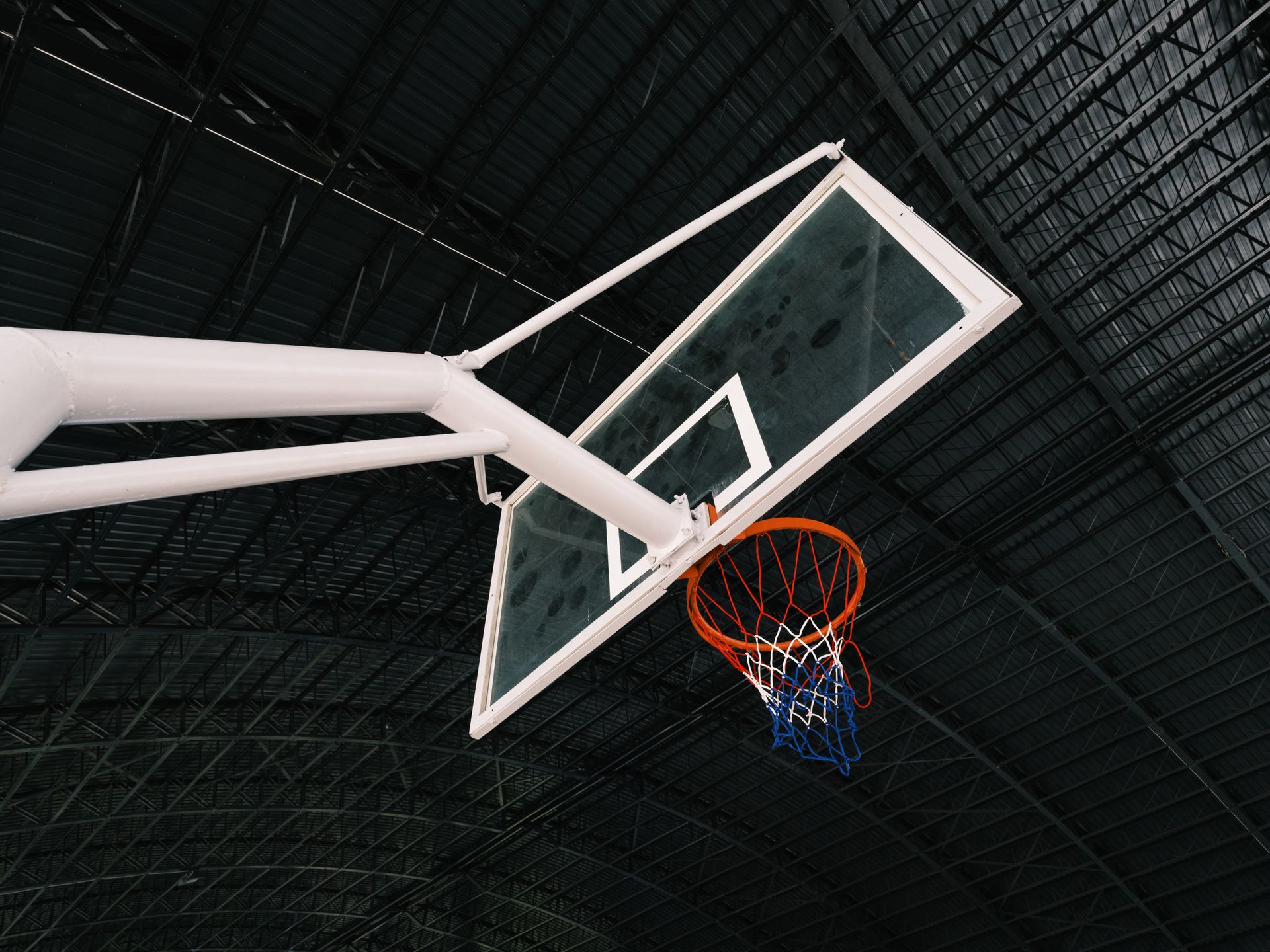
LaMelo Ball traded from the Hornets to the Timberwolves: inside the deal
A notable trade has gone through in the NBA: the Charlotte Hornets' star point guard LaMelo Ball has moved to the Minnesota Timberwolves. According to ESPN, Charlotte received a player and draft picks as part of the deal.

Turkey beat the United States with a late winner at the World Cup
Turkey found a morale boost by beating the United States with a goal in the closing stages of their World Cup match. According to Sky Sports, the late winner turned a hard-fought game in Turkey's favour.