Red Bull change wing design for Belgian GP after Verstappen crashes
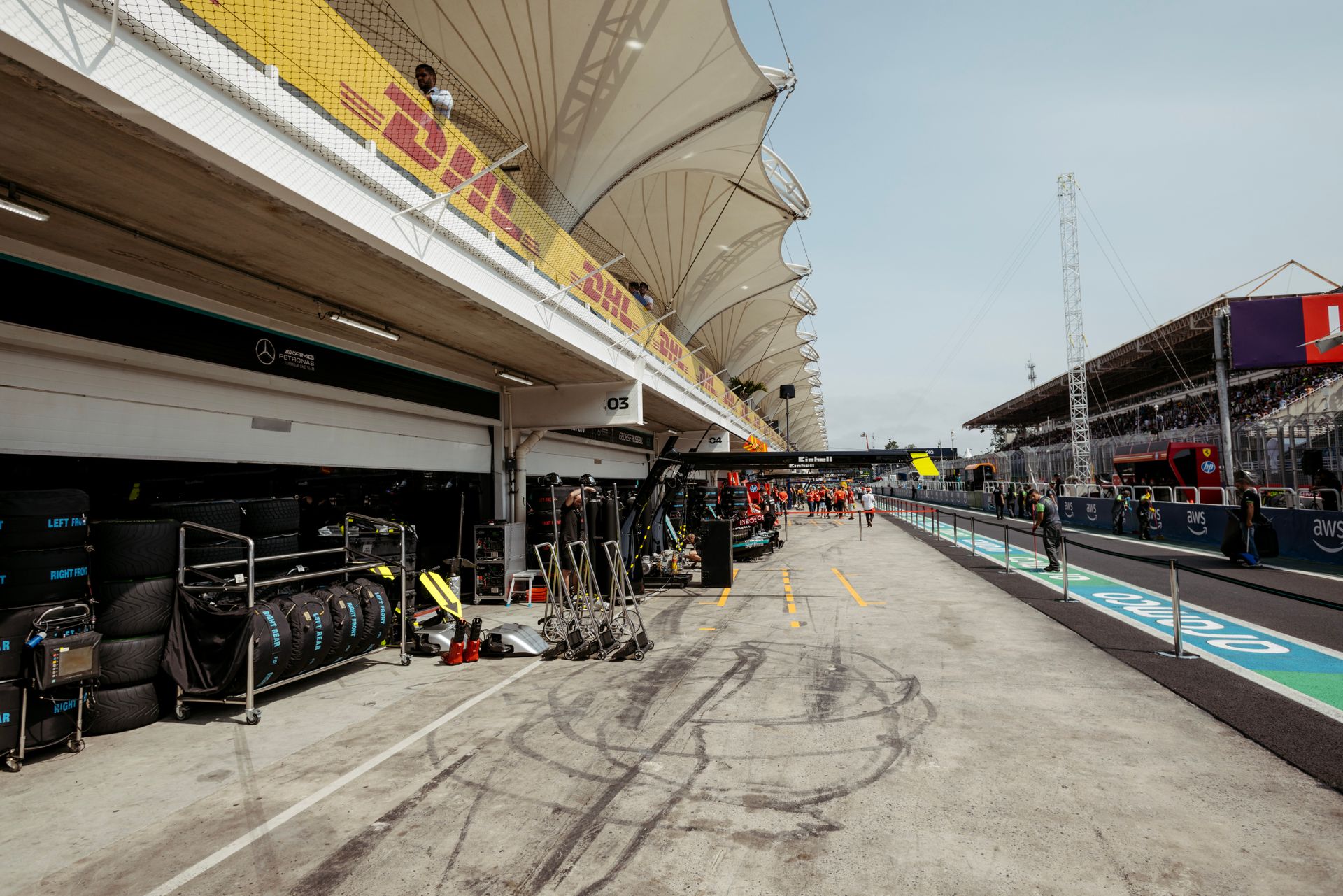
Red Bull are changing their wing design for the Belgian Grand Prix. The team is reverting from a more experimental rear wing concept to a conventional design, following high-speed crashes for Max Verstappen in the previous two races.
In Formula 1, rear wings are a critical aerodynamic component that directly determines how stable a car remains at high speed. Teams generally try to strike a balance between two goals: a design that offers low drag to boost straight-line speed, and enough aerodynamic downforce to keep the car planted through corners and fast sections of track.
This season, Red Bull had been running a more aggressive, experimental wing concept in pursuit of a performance edge over its rivals. But experimental designs like that can produce unexpected losses of stability, particularly when a car is being driven near the limit.
Verstappen's high-speed crashes in consecutive races prompted the team to reassess that design. Crashes of this kind are typically associated with the rear of the car suddenly losing grip, so-called "rear-end snap", which can make the car nearly impossible for the driver to keep under control.
The team's decision to revert to a more conventional wing design is being read as a choice that prioritises safety over performance. Formula 1 engineering teams are constantly weighing whether a design's potential performance gain justifies the risk it poses to driver safety, and in this case, it's clear Red Bull has reassessed that balance following consecutive crashes.
Spa-Francorchamps, host of the Belgian Grand Prix, is known as one of the fastest and most demanding circuits on the F1 calendar, famous for its long straights, fast corner combinations, and unpredictable weather. Those characteristics make wing stability more critical there than at almost any other stop on the calendar.
The wing change could represent a performance trade-off for Red Bull; a more conventional design typically offers a less aggressive aerodynamic profile, which can translate into a small loss in lap time. But the team appears to view that trade-off as acceptable in exchange for safety and consistency.
At this point in the season, the championship battle remains open and every point from every race matters. A driver having a reliable, predictable car can become more valuable than an aggressive aerodynamic edge, particularly at a stage where consistent results across the remaining races are decisive for the title fight.
The general expectation in the paddock is that a wing change like this will be closely watched by other teams, since one team pulling back its own design for safety reasons can serve as a warning sign for others experimenting with similar concepts.
Practice sessions at Spa will provide the first concrete test of how much confidence and stability the new wing configuration restores for Verstappen, and the team is expected to see over the course of the weekend whether the change proves to be the right call under real race conditions.
Read next
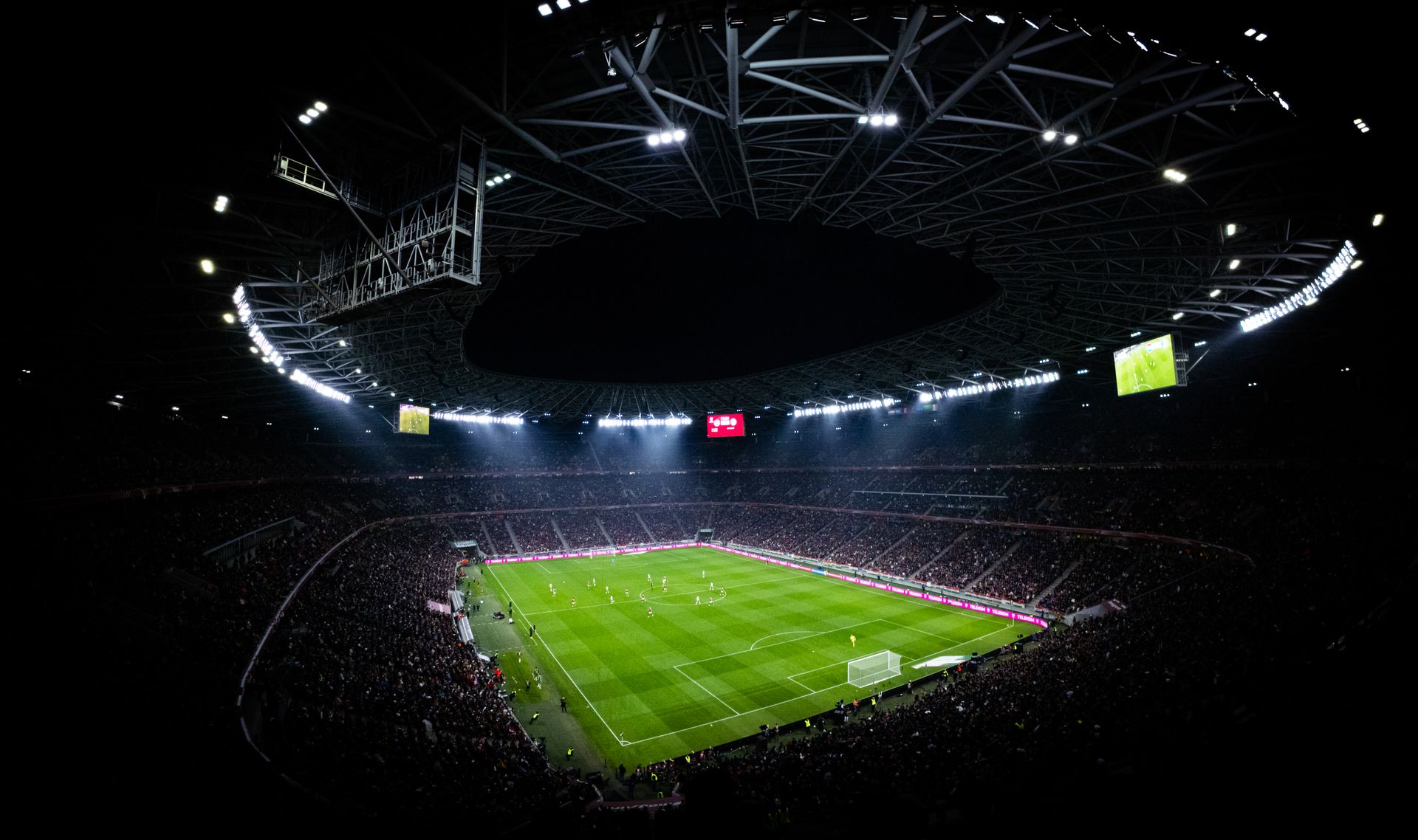
Keep calm and carry on: Spain trust their identity to deliver the World Cup
Former Spain captain Cesar Azpilicueta explains why Luis de la Fuente's side trust their collective approach heading into Sunday's World Cup final against Argentina. Argentina's physical style promises a different kind of test for Spain.

Giannis Antetokounmpo says he'll do 'whatever it takes' to win with the Heat
Giannis Antetokounmpo says the pressure of joining a franchise with Miami's championship pedigree is fueling him, not weighing on him, as he begins his first season with the Heat. The two-time MVP says he is prepared to do whatever the team's demanding culture requires to win a title.
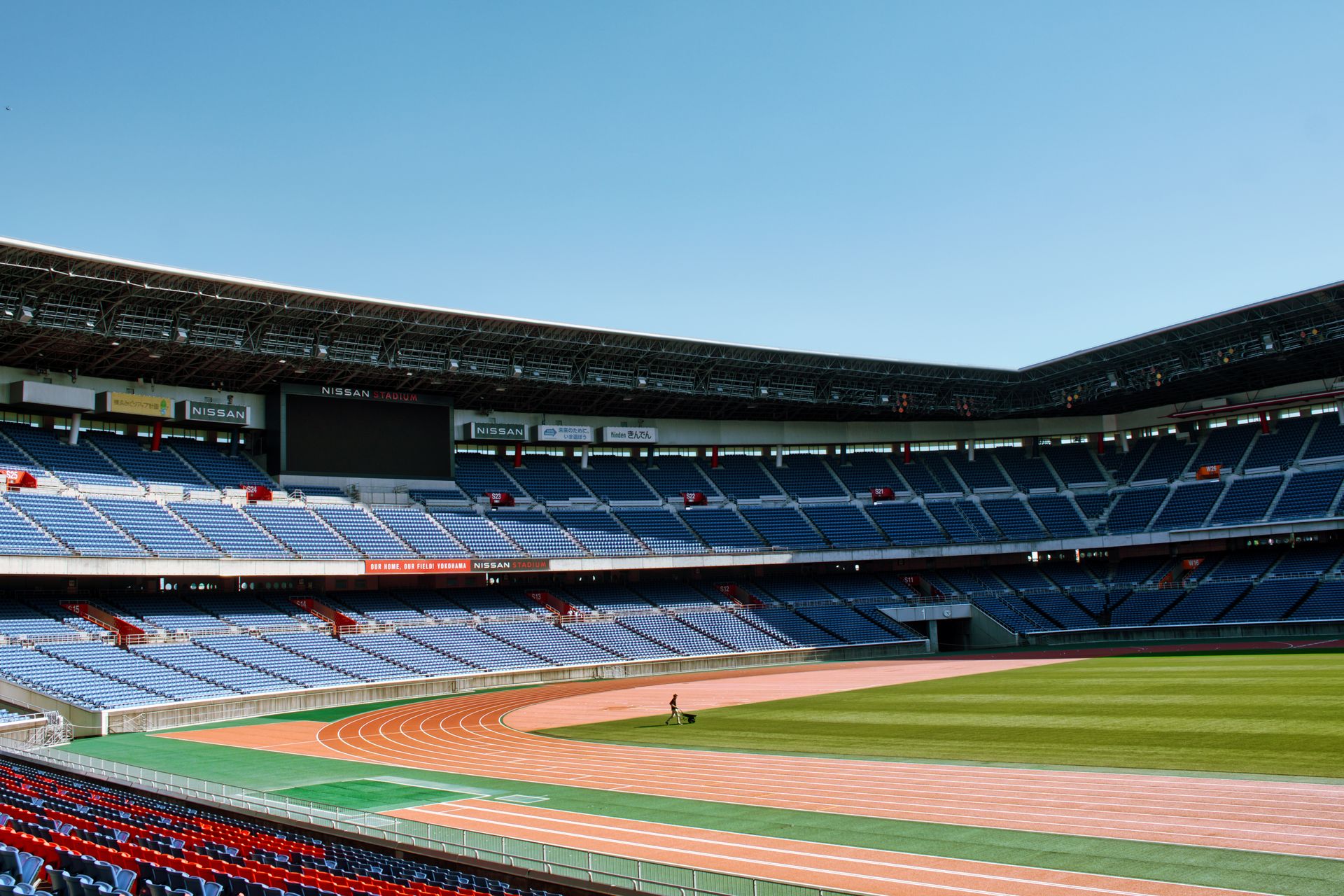
Messi's World Cup farewell comes full circle against Spain
Lionel Messi will play what is widely expected to be his final World Cup match on Sunday, and the opponent standing between Argentina and the title is Spain — the federation that once had a claim on him before he chose to represent Argentina. Here is how the story arrived at this final.
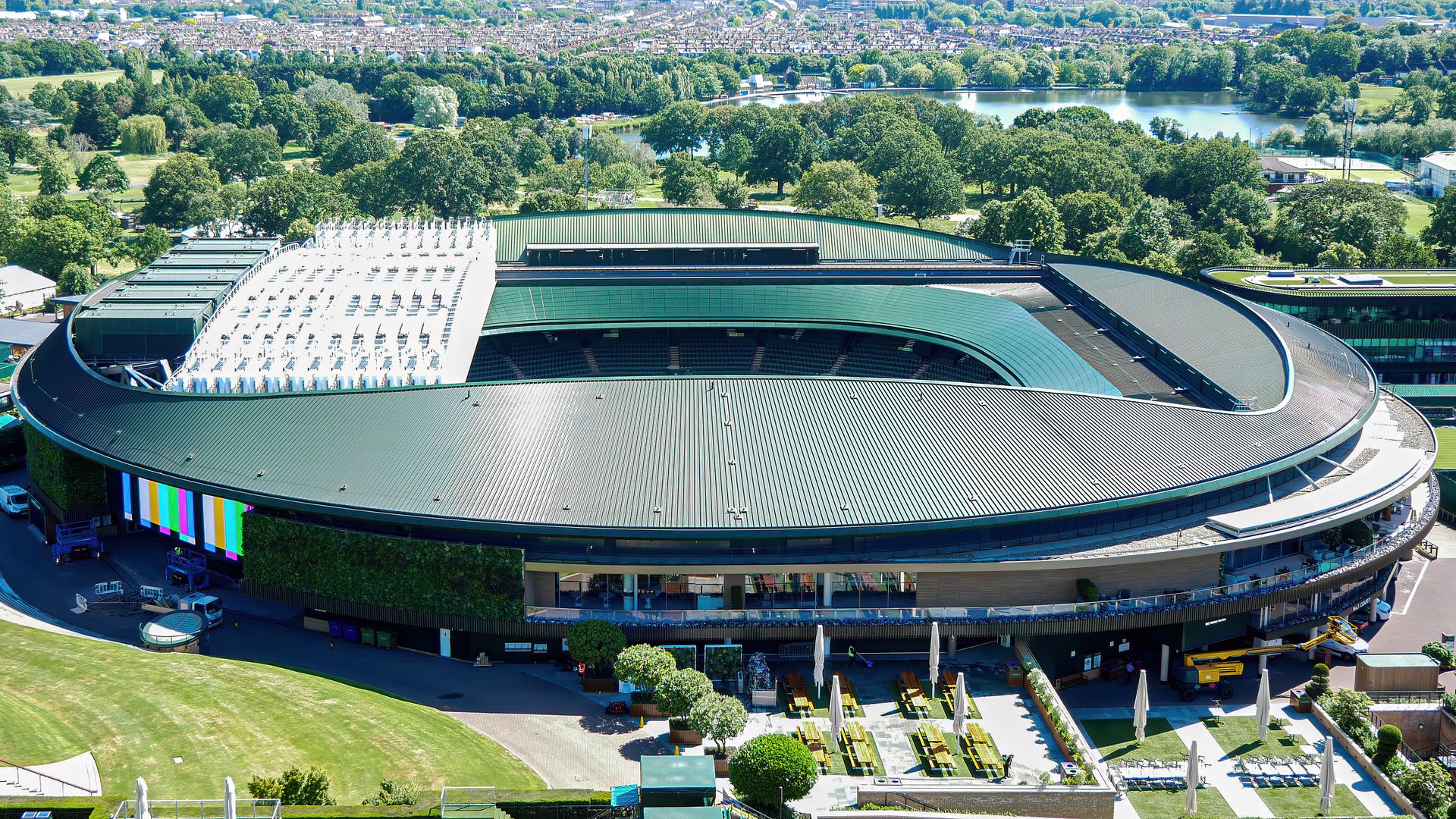
Noskova holds off extraordinary Muchova fightback to win Wimbledon
Czech youngster Linda Noskova recovered from squandering five championship points to beat fellow Czech Karolina Muchova in an extraordinary Wimbledon final, a match that swung dramatically before Noskova finally closed it out. The all-Czech final capped a tournament marked by the country's dominant run in women's tennis.

Argentina's late show breaks England hearts to end World Cup dream
England's first World Cup final since 1966 slipped away in stoppage time as holders Argentina scored twice late on to win 2-1 in a dramatic semi-final. Lautaro Martinez's winner sent Argentina through, while questions immediately turned to Thomas Tuchel's tactical changes.