Formula 1 agrees an engine design change after criticism: the engineers' new balance
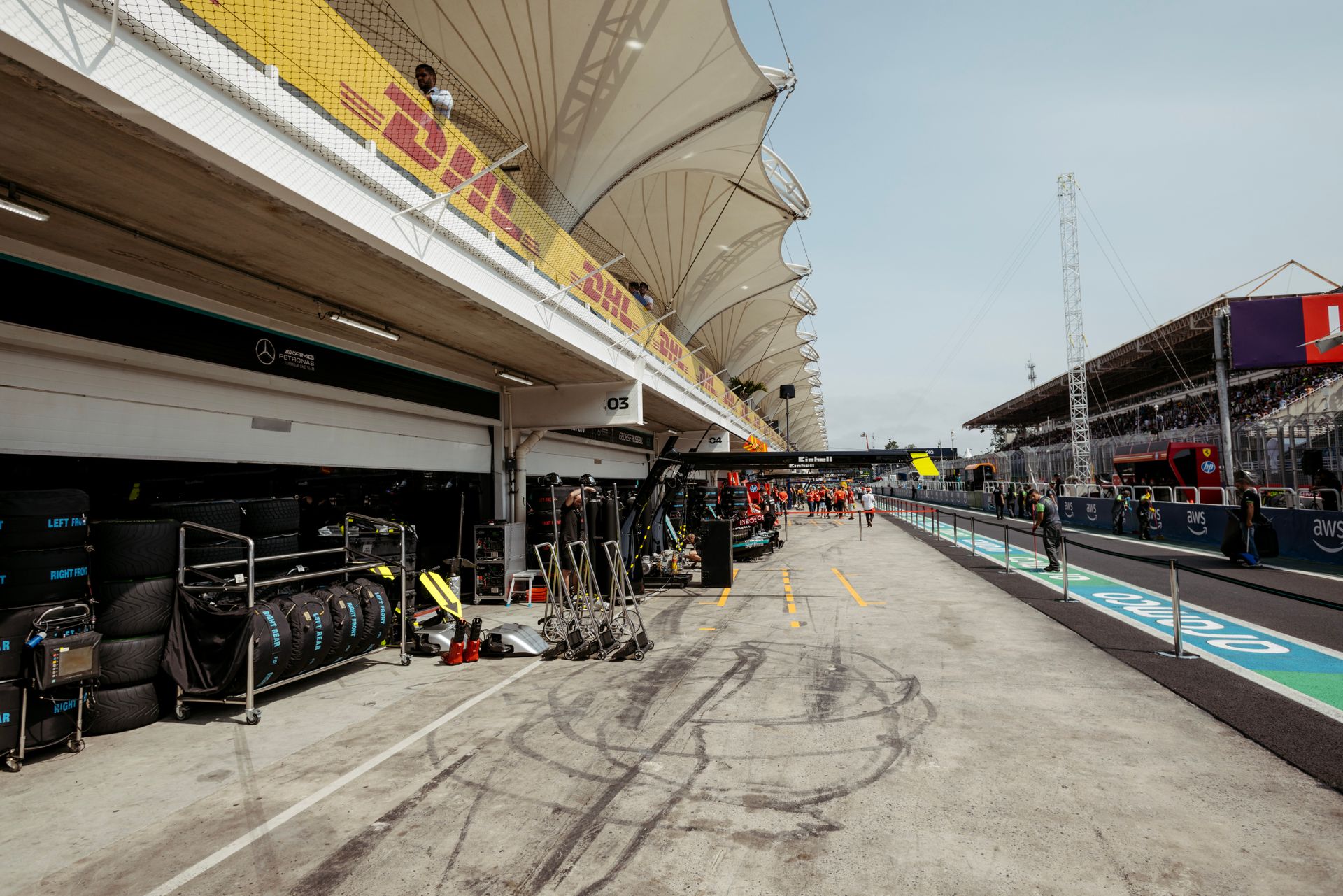
According to BBC Formula 1, the FIA — F1's governing body — has signed off on a design change in the 2027 engine formula. The decision was taken after pushback from teams, in particular Red Bull, Mercedes and Ferrari. The aim of the change is to preserve the performance balance and to safeguard race quality.
What is the issue? The current engine formula, which came into force in 2026, reduces the internal combustion engine's contribution by about 50 per cent and raises the electric motor's contribution to 50 per cent. This was a design objective in parallel with the world's energy transition. But data from the first races have shown that on long straights, electrical energy drains too fast, and drivers have had to back off early at the end of straights.
The technical core of the criticism is the mismatch between battery capacity and track design. On long straights like Monza, Spa-Francorchamps and Baku, the electrical energy was running out 600 metres before the final corner; drivers, with the drop in motor power, could not meet ultimate top-speed demands. Red Bull's chief engineer Pierre Waché and Mercedes head of engines Hywel Thomas were among the first technical leaders to flag the issue.
The FIA's decision is to raise battery capacity by 8 per cent and grant teams more flexibility on energy deploy strategy. According to the BBC report, the new rules will take effect at the start of 2027. The fuel-flow rate has also been raised from 100 kg per hour to 105 kg, which will allow the internal combustion engine to deliver a little more power.
Which teams gain? The BBC analysis suggests that the change largely rewards existing engine manufacturers — Mercedes, Ferrari and Honda (in its Red Bull Powertrains partnership) — for the R&D work they have already done. For newcomers Audi and General Motors (for the Cadillac F1 team) the design change requires a revision of R&D plans — which could squeeze their 2027 entry timelines.
The current F1 standings are tight. Red Bull, McLaren and Mercedes are running close in the drivers' championship. In the rivalry between Verstappen, Russell and Norris, a single engineering change could turn the title race. But the engine change takes effect in 2027; it has no impact on the 2025-2026 season.
The BBC report stresses that the decision is a search for balance between F1's sustainability vision and race quality. The 2026 starting formula had been designed to move F1 toward a future closer to fully electric Formula E rules; but if racing drama is lost, the formula too has to be re-tuned. The current change should make the transition more gradual.
There is an important nuance on the environmental side. The new engine formula will still run on fully synthetic fuel — "e-fuels." These fuels are produced by combining carbon dioxide captured from the atmosphere with green hydrogen and are theoretically carbon-neutral. Raising the fuel-flow rate does not mean fossil fuel; it only means a higher flow of synthetic fuel.
Teams have reacted differently. Red Bull team principal Christian Horner told the BBC the change was a "fair balance," while a Cadillac F1 spokesperson, Carlos Slim Jr., said the change would put their 2027 entry timeline under stress. McLaren CEO Zak Brown welcomed the change for making the racing more watchable.
The practical take-away for Vesper readers is that Formula 1 is one of the fastest-evolving sports in the engineering world, and the current debate shows the real balance between sporting discipline and the sustainability vision. When the new engine rules take effect in 2027, the competitive balance between Red Bull-Honda, Ferrari, Mercedes and Audi will be re-tested. For Turkish fans, the possibility that F1 returns to Istanbul Park under these new rules could offer a more attractive race scenario.
Read next
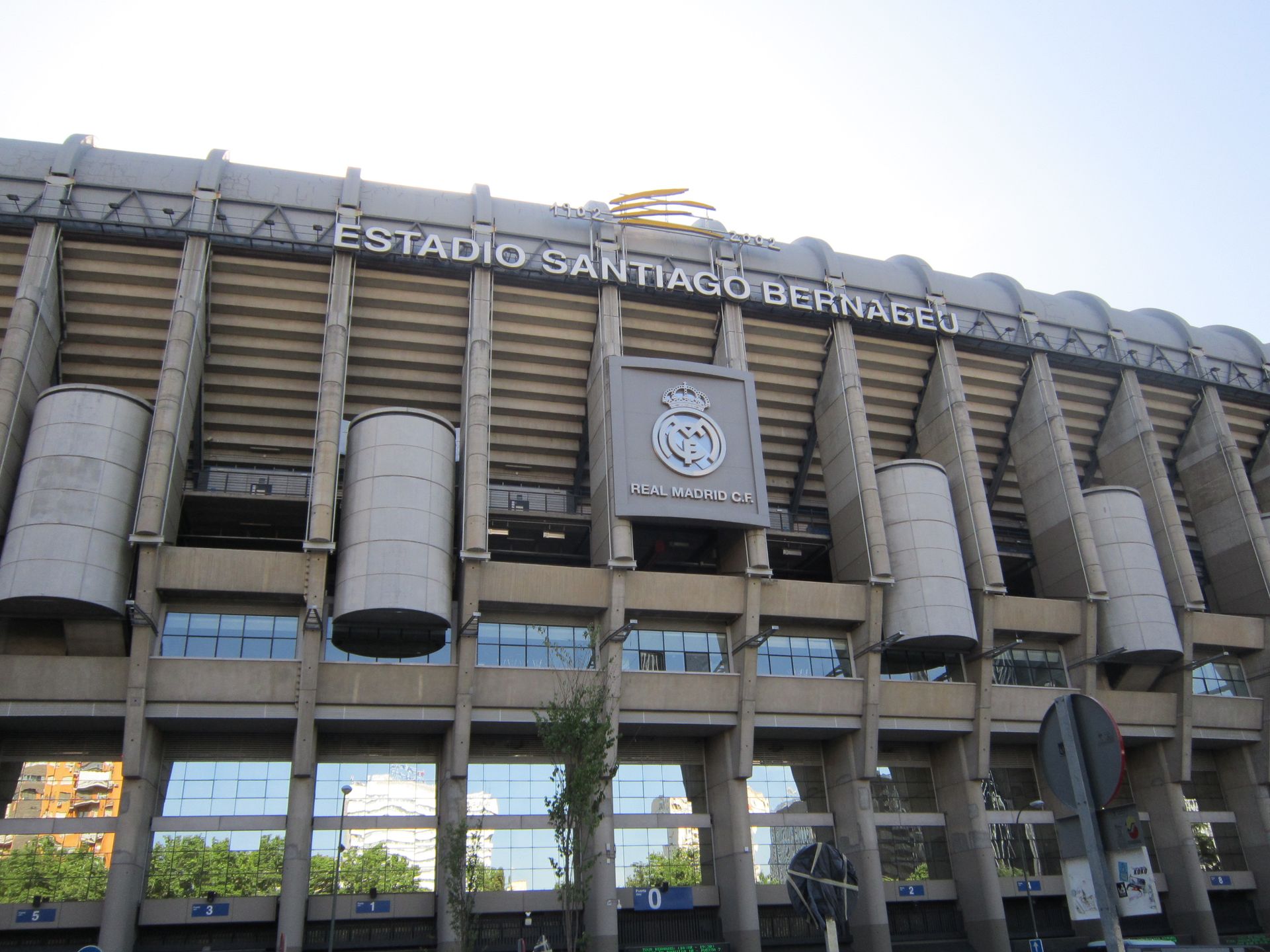
Real Madrid bring back Mourinho on a three-year deal: what the appointment means tactically and politically
Real Madrid have brought José Mourinho back to the dugout on a three-year contract. According to BBC Football, the Portuguese head coach begins his second spell at the club with plans to integrate Castilla youth players, a strategy to refresh the squad structure and transfer-window priorities.
Knicks reach 3-1 lead with historic comeback, now on the brink of the NBA title
According to ESPN, the New York Knicks have reached a 3-1 lead in the Finals after a historic comeback against the San Antonio Spurs. Closing a 22-point gap in Game 4 at Madison Square Garden, the Knicks now stand on the brink of their first title since 1973.
Tuchel's decision time: Bellingham at No. 10, Saka in the XI? England's questions ahead of their World Cup opener
Hours before England's World Cup opener, head coach Thomas Tuchel faces two critical questions: will Jude Bellingham play at No. 10, and will Bukayo Saka start on the wing? According to the BBC, the coaching staff has trialled two distinct lineups in the final training sessions.

Raducanu launches strong Queen's Club run as Wimbledon approaches
According to Sky Sports, Emma Raducanu beat Anna Blinkova in straight sets at the Queen's Club Wimbledon warm-up. She was knocked out early in doubles with Katie Boulter, but the singles performance was a confidence boost.

Real Madrid's 130 million pound bid for Álvarez rejected by Atlético
According to the BBC, Atlético Madrid have rejected Real Madrid's 130 million pound bid for striker Julián Álvarez. Transfer tensions are escalating in the Madrid derby, with Barcelona reported as an alternative landing spot.