AMD reinstates memory encryption in consumer CPUs after user backlash

AMD said it will re-enable Transparent Secure Memory Encryption (TSME) — the feature it disabled in the Ryzen 9000 processors it launched in May — via a microcode update. The company told Ars Technica that the decision was «in response to user feedback and input from the security research community».
TSME is a feature that automatically encrypts at the hardware level the data that the RAM keeps in system memory. Even if an attacker physically accesses the RAM chips (in a «cold boot» or «evil maid» attack, for example), reading unencrypted data is extremely difficult. It has long been standard on EPYC server-class processors, and it has been on the consumer line since 2022.
When AMD left TSME disabled by default on the new Ryzen 9000 (Zen 5) line, the user community and security researchers viewed it as a serious regression. Linux kernel developer Greg Kroah-Hartman said in a statement: «Lowering a device's default security posture leaves behind compromisable data on millions of devices».
AMD's comment was brief: «TSME came with a small performance cost; we acknowledge that for most consumer workloads, that cost is not noticeable. We will roll out the microcode update this summer». The company said the main reason for the delay was additional verification work on kernel side-channel attacks.
The performance impact has been debated. AMD's own benchmarks show TSME causes a 1 to 2 per cent drop on gaming and general desktop workloads. The hit climbs to as much as 4 per cent on virtualisation and database workloads.
Intel's equivalent feature, Total Memory Encryption (TME), has been enabled by default since the 12th-generation Core (Alder Lake) family. But Intel still reserves the TME-Multi-Key (TME-MK) feature for its Xeon processors, allowing encryption isolation between virtual machines.
Microsoft, since the Windows 11 24H2 update, has automatically opted-in systems with TME for BitLocker disk encryption setup. AMD's reinstatement of TSME could trigger similar automatic detection for Ryzen 9000 on Windows installs.
For enterprise buyers this matters. For a CIO, having memory automatically encrypted when a laptop is lost or stolen reduces the risk of corporate leaks. Europe's NIS2 directive and the US Cyber Incident Reporting law have both tightened notification obligations in such incidents.
Since the Linux kernel 6.10, there has been an option to forcibly enable TSME at system boot (`mem_encrypt=on`). With AMD's new microcode, that flag will run consistently on Ryzen 9000. On the Windows side, Microsoft is currently testing a similar driver update in its Insider builds.
Security researcher Daniel Gruss (TU Graz) told Ars Technica: «Memory encryption is not a silver bullet on its own, but it is a foundational security layer; in 2026, having it off by default is unacceptable». How consumer PC manufacturers handle the feature in upcoming BIOS updates will determine how effective AMD's new approach is in practice.
Read next

What is YOLO26? A practical introduction to the real-time object-detection model
YOLO26, the latest version in the YOLO family, has set a new reference point for the real-time computer-vision community. A comprehensive introduction from Roboflow covers the new architecture, ease of training and real-world applications in depth.
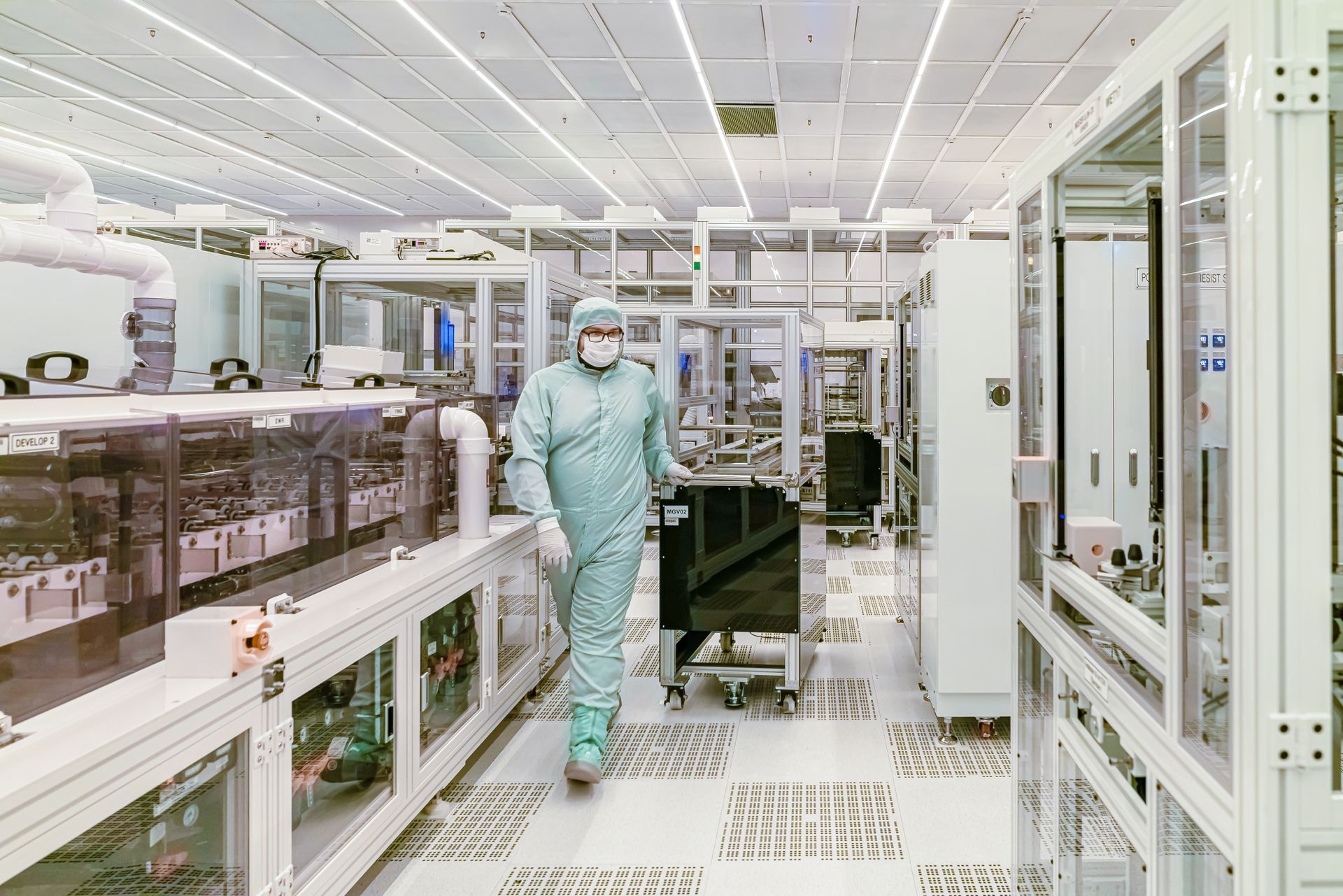
AI chipmaker Groq raises $650M and re-staffs: what Nvidia's $20B 'not-acqui-hire' deal means
AI inference chip specialist Groq has confirmed a $650 million funding round after losing part of its core engineering team to Nvidia. The deal structure highlights the semiconductor sector's new «not-acqui-hire» era.
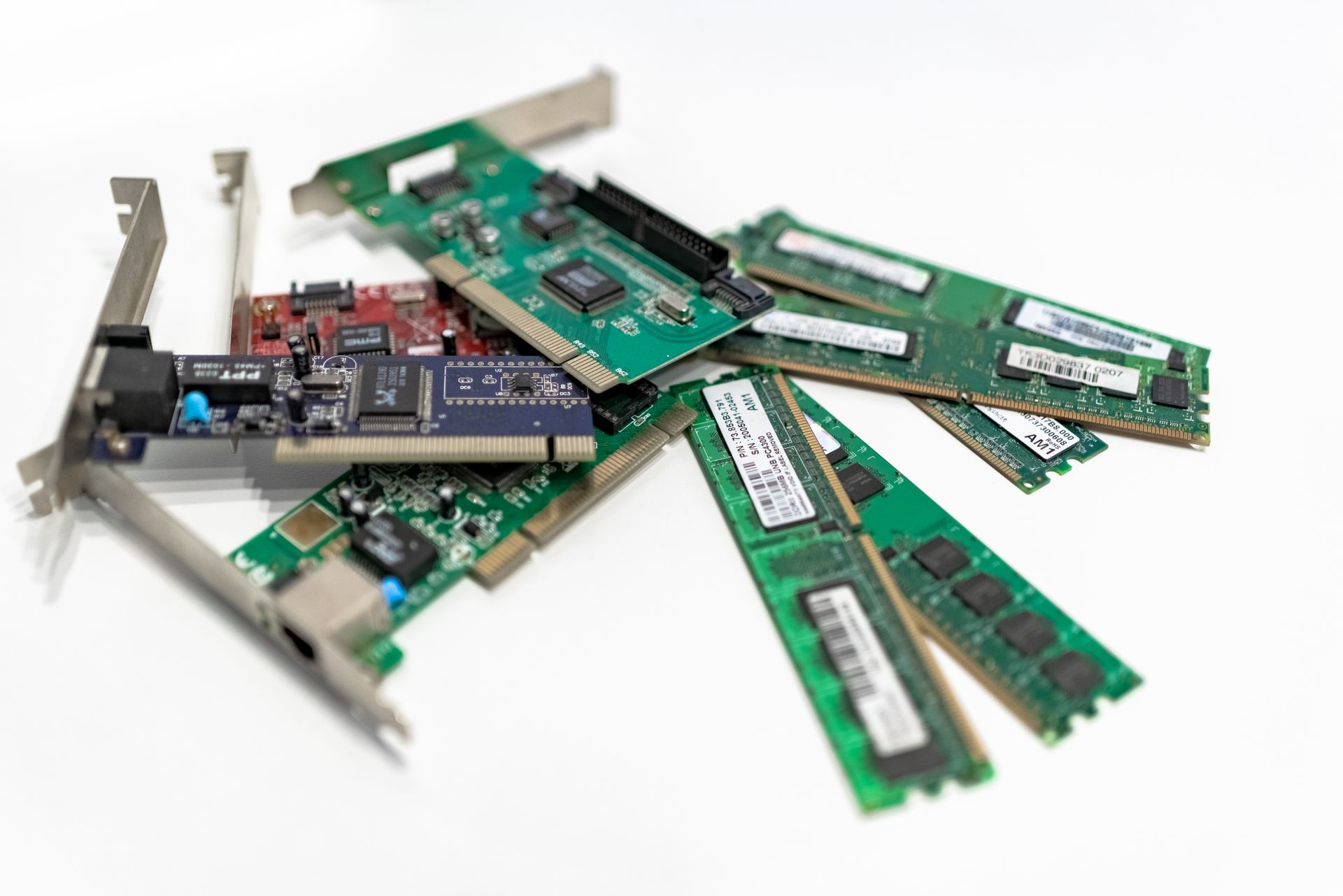
What is the 2026 RAM crisis? Valve describes how brutal memory negotiations have become
Squeezed by AI data-centre demand, the global memory market is pushing up the cost of everything from game consoles to smartphones. Valve's account to Steam Machine manufacturers shows that bargaining for DRAM and NAND in 2026 feels «like a heist operation».

Tech layoffs in 2026 where employers cited AI: a running list of the biggest cuts
TechCrunch is maintaining a running list of major tech-sector layoffs in 2026 with a common stated reason: artificial intelligence. According to the data, 78,000 tech workers in the first six months of the year lost their jobs in the same week their employer announced AI-driven productivity gains.

Robotaxi scorecard 2026: how China's seven-operator, 18-city lead over the US and Europe really looks
TechCrunch Mobility's new robotaxi scorecard puts Chinese operators well ahead of US and European rivals on daily rides, city footprint and fleet size. We unpack what the data says, why the gap has widened in 2026, and which cities lead the pack.
