What is the 2026 RAM crisis? Valve describes how brutal memory negotiations have become
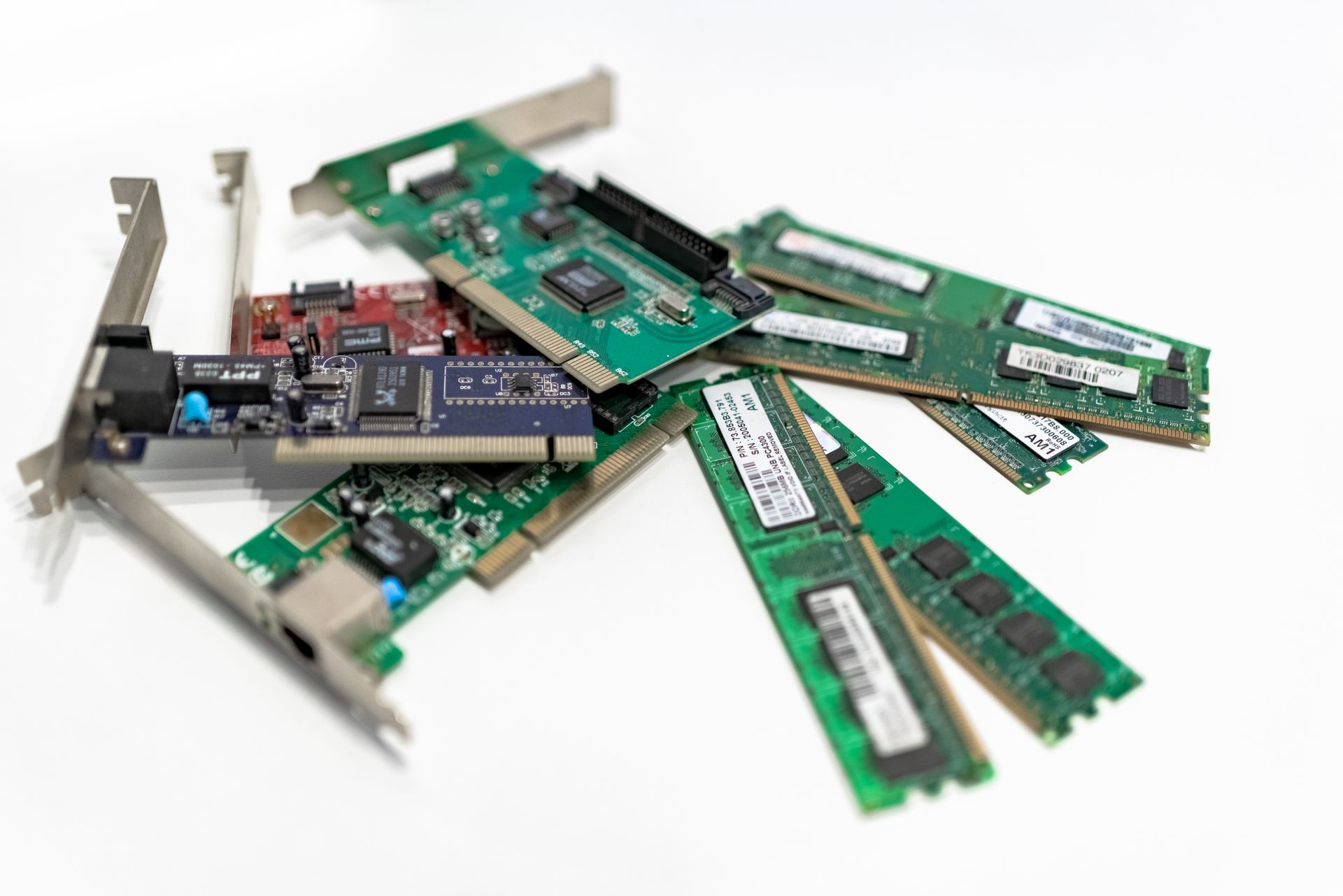
In a private presentation to partners preparing to manufacture its new Steam Machine, Valve said in June that the global memory market was facing «unprecedented pressure» in 2026. According to documents seen by The Verge, Valve used a formulation describing DRAM and NAND negotiations as «feeling like a heist operation».
The origin of the RAM crisis is the explosion of demand for high-bandwidth memory (HBM) for AI data centres. Nvidia's and AMD's next-generation GPUs — H200, B100/B200 and MI300X — have driven manufacturers Micron, SK Hynix and Samsung to shift the same fabs from traditional DRAM lines to HBM production. The result: spot prices for DDR5 and LPDDR5X have risen by more than 80 per cent in the past 12 months.
NAND flash memory is under the same pressure. Data-centre SSD orders have leapfrogged gaming and consumer-electronics demand. TrendForce analysts spoken to by The Verge expect 2TB consumer SSD prices to double by the end of 2026 from where they stood in early 2025.
Valve's new Steam Machine goes on sale on 29 June at $1,049; according to The Verge, the device's memory bill of materials rose by about $80 in a single year. The company chose to absorb the increase from its margins rather than pass it on to consumers.
Other big players are also affected. According to sources, Sony's memory purchases for its next-generation PlayStation prototype were pushed back three months from their original schedule at the start of this year. Apple has signed a four-year long-term agreement with Samsung to guarantee LPDDR5X supply for its iPhone 18 Pro line.
The chronology matters: in mid-2024 HBM capacity began to be reserved almost entirely for Nvidia; in 2025 Samsung and SK Hynix converted 30 per cent of their DDR5 lines to HBM. In the first half of 2026, Micron made a similar conversion. The result is that DDR5 production capacity has shrunk by 18 per cent on an annualised basis.
Gartner expects the global memory market to reach $245 billion by the end of 2026, a 65 per cent increase on 2024. Hyperscale data centres are responsible for almost all of that growth; consumer products are competing for a shrinking slice of the pie.
The DDR6 standard has been approved by JEDEC; the first DDR6 modules will appear on the market in late 2027. But there is no expectation of relief on prices in the short term: AI demand remains at record levels and fab expansions take at least 18 months.
Even without further giant AI deals, pressure on the semiconductor sector is persisting. This week, TSMC announced the opening of a new packaging fab in Mexico City; Intel reported that the launch of its Ohio fab in the US had been pushed from 2027 to 2028.
In Turkey, big PC suppliers Vatan, Casper and Excalibur say price tags could rise 25 to 35 per cent by the end of 2025. The practical advice for consumers: finish any RAM and SSD upgrades before year-end. The 2027 calendar year is shaping up as the least difficult season for memory supply.
Read next

What is YOLO26? A practical introduction to the real-time object-detection model
YOLO26, the latest version in the YOLO family, has set a new reference point for the real-time computer-vision community. A comprehensive introduction from Roboflow covers the new architecture, ease of training and real-world applications in depth.
AI chipmaker Groq raises $650M and re-staffs: what Nvidia's $20B 'not-acqui-hire' deal means
AI inference chip specialist Groq has confirmed a $650 million funding round after losing part of its core engineering team to Nvidia. The deal structure highlights the semiconductor sector's new «not-acqui-hire» era.

AMD reinstates memory encryption in consumer CPUs after user backlash
AMD said it would reinstate transparent memory encryption on its latest Ryzen 9000 processors via a microcode update, after a campaign by security researchers and users. The decision could set up a race with Intel's comparable Total Memory Encryption feature.

Tech layoffs in 2026 where employers cited AI: a running list of the biggest cuts
TechCrunch is maintaining a running list of major tech-sector layoffs in 2026 with a common stated reason: artificial intelligence. According to the data, 78,000 tech workers in the first six months of the year lost their jobs in the same week their employer announced AI-driven productivity gains.

Robotaxi scorecard 2026: how China's seven-operator, 18-city lead over the US and Europe really looks
TechCrunch Mobility's new robotaxi scorecard puts Chinese operators well ahead of US and European rivals on daily rides, city footprint and fleet size. We unpack what the data says, why the gap has widened in 2026, and which cities lead the pack.
