What is an AI gateway, and why is Stripe reportedly paying $7B+ for one?

Picture a company building AI-powered products. For one task, OpenAI's model performs best. For another, Anthropic's is cheaper and faster. For a third, Google's fits better. The problem: every provider has its own API, its own pricing, and its own technical quirks. That's exactly the gap an 'AI gateway' is built to close.
An AI gateway like OpenRouter gives developers access to dozens of different AI models through a single API. The developer builds one integration; the gateway decides, behind the scenes, which model to route a given request to, how to optimize for cost, and whether to automatically fail over to a different model if one goes down.
OpenRouter's founding team had described the company publicly as 'Stripe for AI' — a description that now looks almost prophetic, given reports that the actual Stripe is set to acquire it. According to reports, the deal is valued at more than $7 billion, a striking figure for a category of infrastructure that was relatively niche just two years ago.
Understanding why Stripe would place such a large bet on this segment means looking at the company's own history. Stripe built its business by hiding the complexity of banks, card networks, and payment rails behind one simple API for developers. The AI gateway concept applies that exact same idea to the world of AI models.
The AI model market is fragmenting rapidly. Dozens of large language model providers now compete, each with different strengths, pricing structures, and usage terms. For developers, that variety is both an opportunity and a headache — integrating each new model requires engineering time and resources.
A gateway removes that friction. Companies can shift flexibly between model providers based on price and performance, without becoming locked into any single one. That flexibility is becoming increasingly valuable for businesses, especially as AI costs continue to climb rapidly.
For Stripe, the acquisition represents an opportunity to move beyond payments infrastructure and plant itself at the center of the AI economy. A company that already manages payment flows for millions of businesses would be positioned to also manage those same businesses' AI spending.
If the deal closes, it would rank among Stripe's largest acquisitions in years, accelerating the company's shift from a simple payment processor into a platform controlling an increasing number of layers of business digital infrastructure.
Industry observers expect this kind of 'infrastructure consolidation' move to become more common across the AI market. As model providers multiply, the middleware layers that simplify that complexity are becoming correspondingly more valuable.
Ultimately, an AI gateway plays an invisible but critical role: letting developers focus directly on building products, without having to think about the differences between AI models. Stripe's investment in this space is a clear sign of just how valuable that invisible infrastructure has become.
Read next

What is ChatGPT's Computer History feature, and how does it work?
OpenAI has added a new feature to ChatGPT's macOS desktop app called Computer History, which turns a user's on-computer actions into a timeline the AI can reference. Here's exactly what the feature tracks, how it's meant to be used, and what controls users have over it.

Why almost every new US power plant this year runs on solar
A close look at every new power plant that came online in the US this year reveals a clear pattern: utility-scale solar leads by a wide margin, followed by battery storage. Fossil fuels trail far behind. Here's what that shift signals about the direction of America's energy future.
What happens when your cloud storage provider disappears with your data?
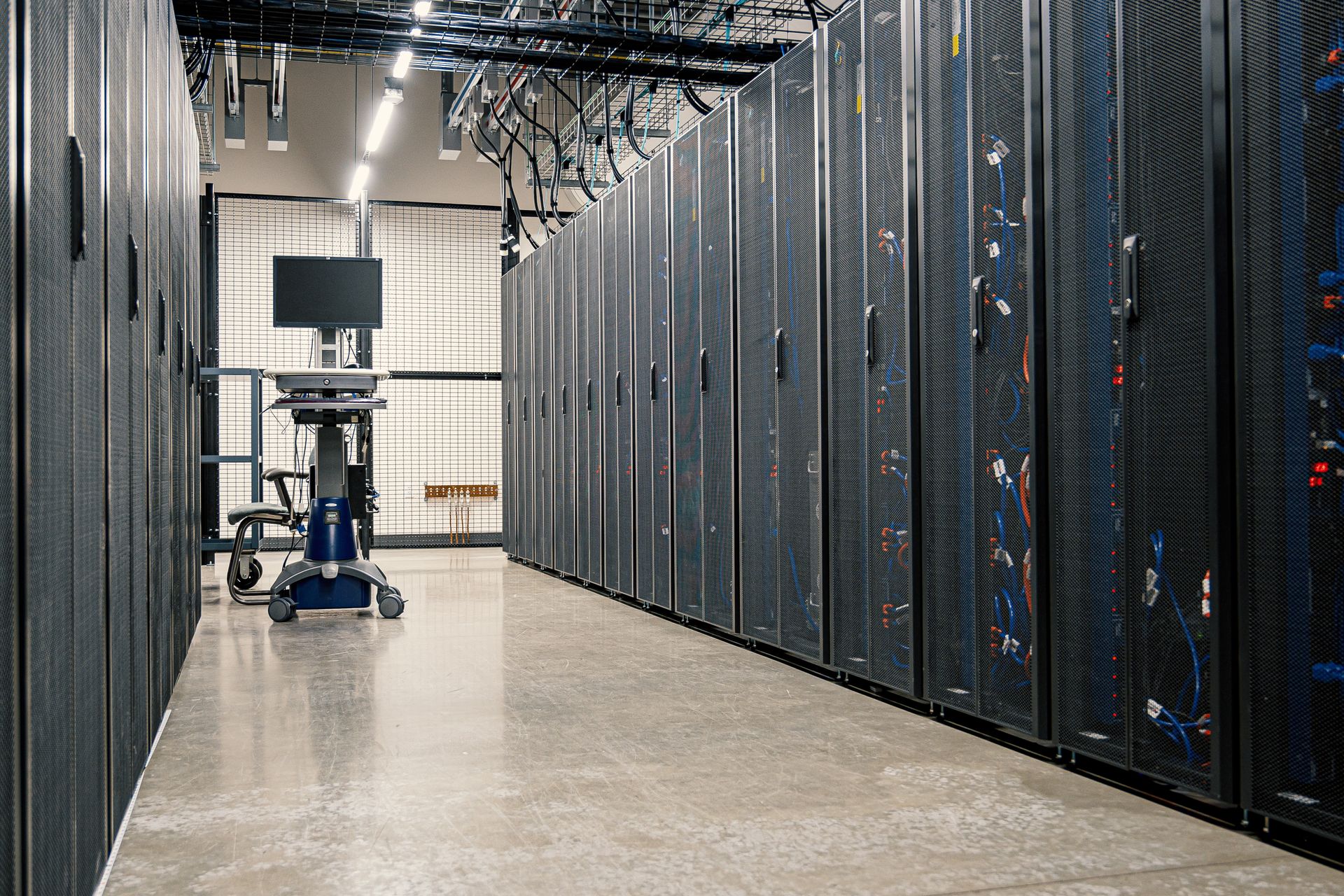
A US public broadcasting station is at risk of losing access to 50 terabytes of its archive after its cloud storage provider, Iron Mountain, went dark on communication. The case is a stark illustration of how dependent institutions have become on third-party cloud providers — and just how exposed that dependency can leave them.

Anthropic's CEO says the AI backlash is 'fundamentally a crisis of trust'
Anthropic CEO Dario Amodei argues that the growing public backlash against AI stems less from the technology itself and more from a lack of trust in the companies building it. Amodei is also pushing back on criticism that he has been painting an overly pessimistic picture of AI's risks.

What is MCP, and why does it matter that 21,000 servers were exposed
The Model Context Protocol, an open standard that lets AI assistants connect to outside tools and data, has hit a security inflection point after researchers found more than 21,000 unprotected servers exposed on the open internet. Here's what MCP is, why developers adopted it so fast, and why that exposure matters.