Why rapid rocket reuse is so hard: Starship's heat shield problem, explained
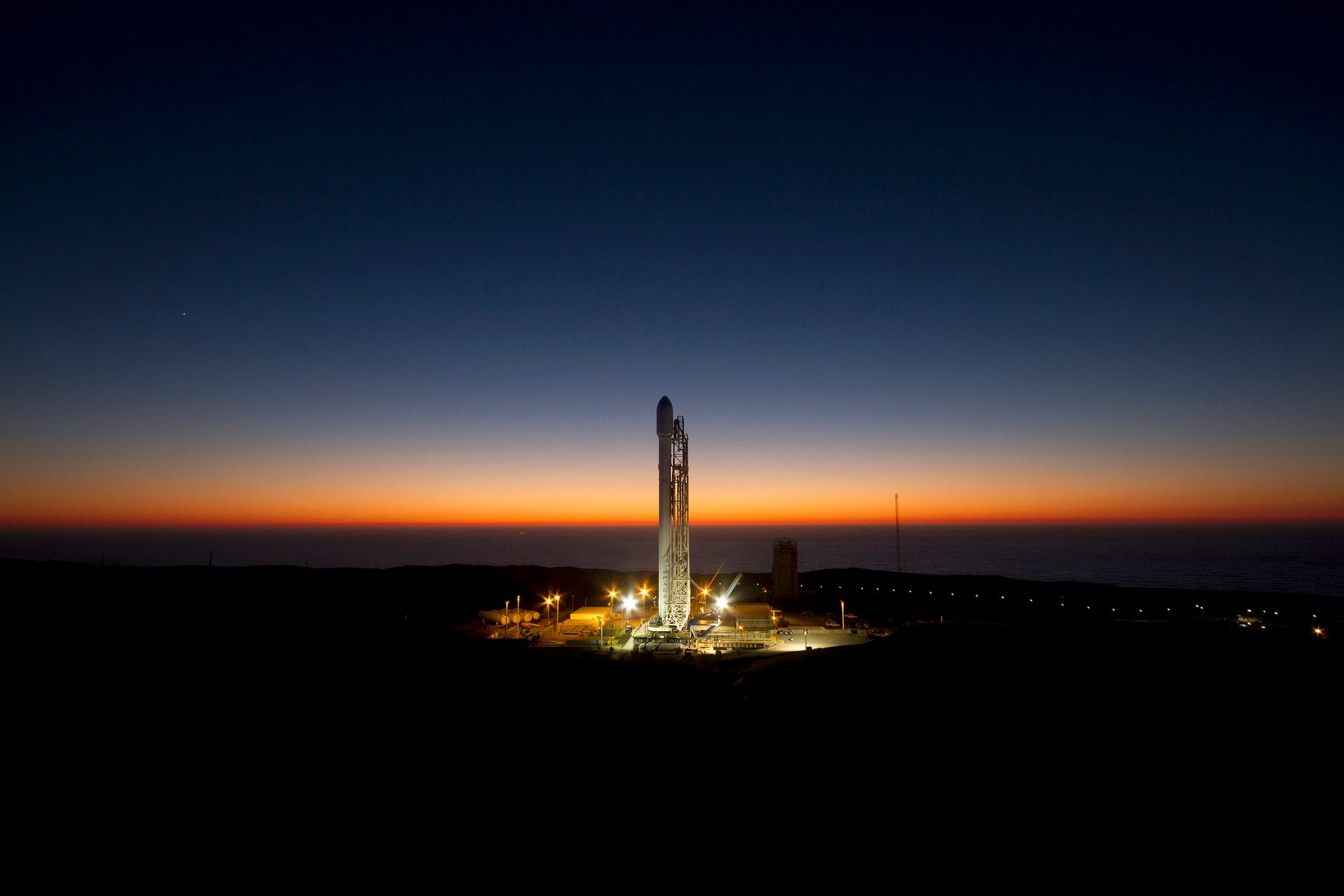
The space industry has long chased a particular dream: rockets that can land and take off again like passenger aircraft, refuelling and flying again within a matter of hours. SpaceX's Starship rocket represents the closest candidate to that goal yet — but experts say the technology currently available isn't good enough to make that dream a reality.
At the heart of the problem is heat shield technology. As a rocket re-enters the atmosphere, friction can push surface temperatures to thousands of degrees. The protective materials used to dissipate this extreme heat keep the vehicle's structure from melting or breaking apart — but those materials take serious damage on every flight.
Experts note that the ceramic tile-based heat shield Starship currently uses requires extensive inspection after every flight, and often partial replacement. That directly conflicts with the goal of a rocket that can "land and take off again" like an aircraft, since hours or even days of maintenance are needed after each flight.
Engineers describe this as a "dead end," because incremental improvements to current materials technology seem unlikely to solve the problem. Experts argue that a real breakthrough would require an entirely different materials approach or heat-management strategy.
A historical factor has contributed to the scale of the problem: NASA hasn't devoted significant resources to thermal protection system research for decades. Since the end of the Space Shuttle program, fundamental research investment in this area has largely stalled, leaving the private sector to rely heavily on older-generation technology.
That gap has forced companies like SpaceX to develop their own heat shield solutions largely from scratch. But a single company's research and development capacity can't fully replace decades of government-backed basic science research.
Experts say alternative approaches are being explored. One is active cooling systems — rather than passively blocking heat, running liquid coolant directly through the vehicle's surface to carry heat away. Another is developing modular shield panels that can be easily swapped out when damaged.
Solving this technical challenge matters not just for SpaceX, but for the entire space industry. If rockets can truly become reusable as quickly as aircraft, the cost of accessing space could drop dramatically, opening the door to more ambitious plans such as Moon and Mars missions.
Experts say the problem isn't expected to be solved in the near term, but competition in the industry — among both private companies and state-backed programmes — could accelerate research investment. China's own progress in reusable rocket technology is adding to that competitive pressure.
For now, every Starship flight gives engineers new data on how the heat shield behaves. That data will inform future design improvements, but experts agree that reaching a true "airplane-like rocket" remains years away.
Read next

Amazon expands its satellite network for mobile phones, turning up the heat on SpaceX
Amazon is expanding its plans to provide direct-to-device satellite connectivity for mobile phones, a move that could challenge SpaceX's Starlink lead in the space. The company has filed with the FCC for a new satellite constellation aimed at providing voice, messaging, data and emergency services. It marks the newest front in a growing space-based rivalry between the two tech giants.

Why a US court blocked Texas's law forcing websites to filter "harmful" speech
The 5th Circuit Court of Appeals has blocked a Texas law that would have forced websites to filter content deemed "harmful" to minors. Judges ruled that age verification requirements are constitutionally permissible, but that content filtering is preempted by Section 230, the federal law shielding platforms from liability for user content. The ruling clarifies the legal limits on states' efforts to regulate online content.

What is an open-weight AI model, and why is China giving its best ones away for free
Chinese startup Moonshot AI's Kimi K3 model has put Silicon Valley on alert by claiming to beat some of the best US systems at a fraction of the cost. But the real debate isn't about performance alone — it's about the decision to release the model's weights for free. That move raises the question of whether closed American models can keep dominating as increasingly capable open alternatives enter the market.

Google's AI Overviews now appear in 43% of searches: why AI is becoming the default way to search
New data shows Google's AI Overviews now appear in 43% of searches, a share that is rising quickly, underscoring how fast AI-generated answers are becoming the default way people discover information online. The shift marks a fundamental change in how people access information on the internet. Publishers are increasingly worried about falling click-through traffic even as user behaviour keeps shifting in the same direction.

Why TikTok, X, and Meta are accused of blocking EU researcher data access
European researchers say TikTok, X, and Meta are not providing platform data they are legally required to share, according to researchers and a related complaint. They argue the gap is hampering independent studies of social media's effects on society. The companies are not directly quoted in what has been reported here; the claims are attributed to researchers and the underlying complaint.