Amazon expands its satellite network for mobile phones, turning up the heat on SpaceX

The race for space-based telecommunications is entering a new phase. Amazon filed an application with the US Federal Communications Commission (FCC) last Saturday to launch a new low-Earth-orbit satellite constellation. The network aims to provide direct-to-device "voice, messaging, data, and emergency services" to mobile phones.
According to the filing, if approved, Amazon will begin deploying a constellation of 5,105 satellites in 2028. The company plans to partner with mobile network operators to offer the service — an approach that mirrors Starlink's similar partnership with T-Mobile.
Amazon took another major step in direct-to-phone satellite services earlier this year, acquiring Globalstar's satellite network and taking over its deal to provide direct-to-device satellite service for Apple devices. This new filing further expands the company's ambitions in the space.
Direct-to-device satellite technology allows mobile phones to communicate directly with satellites without requiring any additional hardware. This can be vital in rural areas without terrestrial cellular coverage, at sea, or in disaster zones.
SpaceX's Starlink service is currently the most advanced player in this field. Through its partnership with T-Mobile, the company has begun offering direct satellite messaging service to millions of subscribers in the US, and plans to gradually roll out additional features such as voice calling.
Amazon's move could introduce real competition into this market. The company's Project Kuiper broadband satellite internet venture is already underway, and the new direct-to-device service is seen as the next step built on top of that infrastructure.
Experts say this competition could benefit consumers. Multiple companies offering similar services can drive prices down and improve service quality. Competition is also expected to accelerate technological innovation in the field.
But building large-scale satellite constellations like this also raises regulatory and environmental concerns. Astronomers have long argued that the growing number of satellites is making night-sky observations more difficult. Researchers specialising in space debris also stress that increasing object density in orbit raises the risk of collisions.
The FCC's approval process requires a thorough technical and regulatory review. Even if approved, actually deploying such a large satellite network could take years, suggesting Amazon's 2028 target is quite ambitious.
Industry observers say the development also paints a broader picture of where space-based telecommunications is headed: an era in which mobile phone connectivity increasingly depends not just on terrestrial infrastructure, but on satellite networks in orbit.
Read next

Why a US court blocked Texas's law forcing websites to filter "harmful" speech
The 5th Circuit Court of Appeals has blocked a Texas law that would have forced websites to filter content deemed "harmful" to minors. Judges ruled that age verification requirements are constitutionally permissible, but that content filtering is preempted by Section 230, the federal law shielding platforms from liability for user content. The ruling clarifies the legal limits on states' efforts to regulate online content.
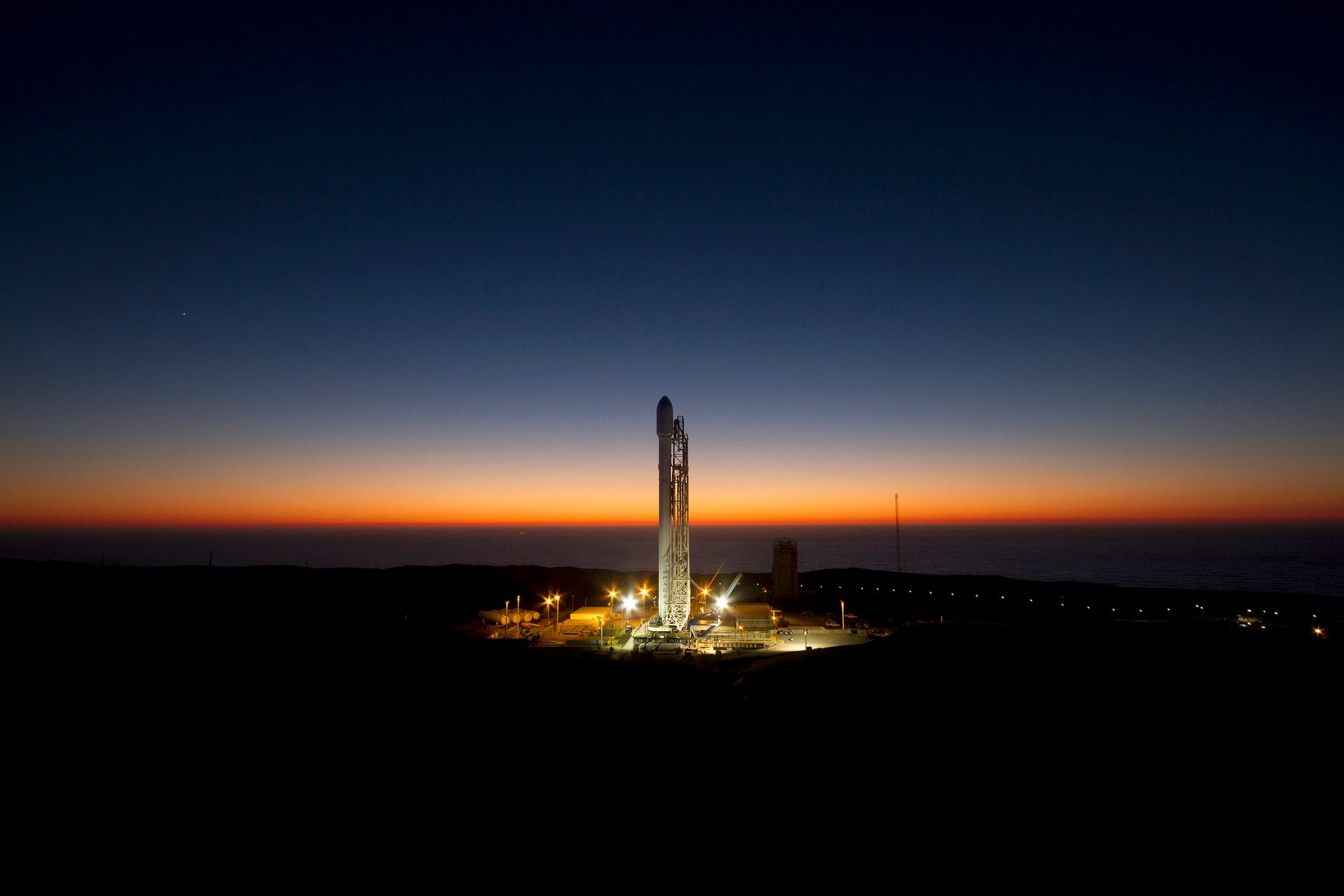
Why rapid rocket reuse is so hard: Starship's heat shield problem, explained
Experts warn that the heat shield technology currently used on SpaceX's Starship rocket is a "dead end" for the goal of rapid, airplane-like reuse. The problem is compounded by the fact that NASA hasn't made substantial investment in thermal protection research for decades. It's seen as one of the biggest technical hurdles the space industry must clear before rockets can truly be reused as quickly as aircraft.

What is an open-weight AI model, and why is China giving its best ones away for free
Chinese startup Moonshot AI's Kimi K3 model has put Silicon Valley on alert by claiming to beat some of the best US systems at a fraction of the cost. But the real debate isn't about performance alone — it's about the decision to release the model's weights for free. That move raises the question of whether closed American models can keep dominating as increasingly capable open alternatives enter the market.

Google's AI Overviews now appear in 43% of searches: why AI is becoming the default way to search
New data shows Google's AI Overviews now appear in 43% of searches, a share that is rising quickly, underscoring how fast AI-generated answers are becoming the default way people discover information online. The shift marks a fundamental change in how people access information on the internet. Publishers are increasingly worried about falling click-through traffic even as user behaviour keeps shifting in the same direction.

Why TikTok, X, and Meta are accused of blocking EU researcher data access
European researchers say TikTok, X, and Meta are not providing platform data they are legally required to share, according to researchers and a related complaint. They argue the gap is hampering independent studies of social media's effects on society. The companies are not directly quoted in what has been reported here; the claims are attributed to researchers and the underlying complaint.