US home battery installations hit a record high as electricity costs rise
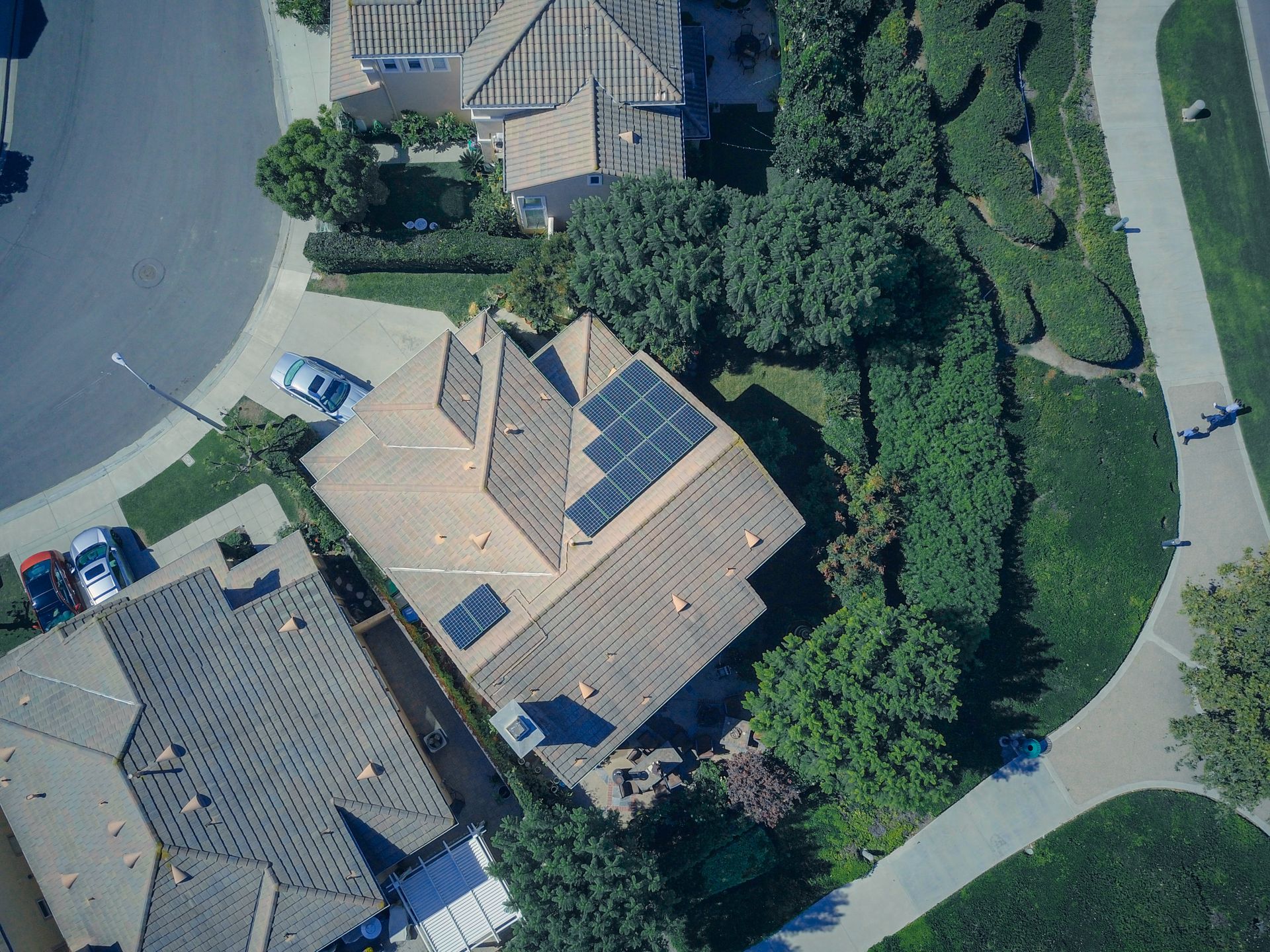
Home battery installations in the United States climbed to a record high in early 2026, according to figures reported by Ars Technica, as rising electricity costs and worries about grid reliability push more households to store their own power. The surge marks a notable step in the shift toward decentralised energy, in which homes increasingly generate and stockpile electricity rather than simply drawing it from utilities.
The technology at the centre of the trend is the residential battery, typically a wall-mounted or floor-standing unit that stores electricity for use later. Paired most often with rooftop solar panels, it lets a household bank the energy its panels produce during the day and draw on it in the evening, or hold a reserve for when the grid goes down.
Several forces are driving the record numbers. Electricity prices have been climbing in many parts of the country, making it more attractive to store cheap or self-generated power and avoid buying expensive electricity at peak times. For homeowners with solar, a battery turns surplus daytime generation into usable evening supply rather than exporting it for a modest credit.
Reliability is the other big motivator. A run of extreme weather, wildfires and strain on ageing grids has left many Americans wary of outages, and a home battery offers a way to keep the lights, refrigerator and medical devices running when the wider system fails. For some households, that resilience is worth as much as any saving on the monthly bill.
Economics have also improved. The cost of lithium-ion batteries has fallen dramatically over the past decade as manufacturing scaled up for electric vehicles and grid storage, and financial incentives in some regions further lower the upfront price. Cheaper hardware, combined with rising utility rates, shortens the time it takes for a battery to pay for itself.
The implications extend well beyond individual homes. Millions of small batteries, if coordinated, can act as a distributed resource that supports the wider grid, soaking up excess power when supply is high and releasing it when demand peaks. Utilities and startups are experimenting with virtual power plants that link home batteries together to provide exactly this kind of flexible capacity.
That matters because grids everywhere face a growing balancing challenge. The rise of intermittent renewables like solar and wind, alongside surging demand from electric vehicles and energy-hungry data centres, makes it harder to match supply with demand moment to moment. Distributed storage in homes is one of several tools that could help smooth those swings.
There are limits and caveats, however. Home batteries remain a significant purchase, out of reach for many households, and the benefits depend heavily on local electricity prices, rate structures and incentives that vary widely by region. A battery that pays off quickly in one market may make little financial sense in another.
Equity questions follow from that. If wealthier homeowners install solar and storage to insulate themselves from rising prices and outages, the fixed costs of maintaining the grid can fall on a shrinking base of customers, potentially raising bills for those who cannot afford their own systems. Managing that dynamic is becoming a policy concern.
Still, the record installations point to a durable shift in how Americans think about electricity. Rather than treating power as something that simply arrives from a distant plant, a growing number of households are becoming active participants, generating, storing and managing their own energy, and in doing so reshaping the grid from the edges inward.
Read next

Why everyone from Honda to Big Tech is pivoting to data centers
Honda's move into data centers is the latest sign that the AI computing boom is pulling in companies far outside the tech industry. Here is why so many firms are chasing data center demand, and the risks of a building spree tied to a single technology wave.

What are zero-knowledge proofs, and how can they verify your age privately?
As governments push age checks for online services, a decades-old cryptographic idea called the zero-knowledge proof is being promoted as a way to prove you are old enough without revealing your identity or birth date. Here is how the technology works and where it falls short.

Why Sony is ending PlayStation discs, and what it means for game preservation
Sony is winding down physical PlayStation discs, a move that accelerates gaming's shift to all-digital and worries preservationists who rely on discs to keep games playable. Here is what is changing, why Sony is doing it, and the stakes for owning versus renting games.
What Cloudflare's pay-per-crawl means for AI companies and publishers
Cloudflare has launched a policy that blocks AI crawlers by default and lets publishers charge them to access content, a shift that could reshape how AI companies gather training and search data. Here is how pay-per-crawl works and why it matters for the open web.
Dish files for Chapter 11 bankruptcy but says it will keep operating
Satellite TV and wireless company Dish has filed for Chapter 11 bankruptcy protection but says it will keep operating during the process, according to The Verge. The filing marks a major moment for a company that spent years and billions trying to build a wireless network.