Why has the US banned foreign-made robots? A guide to the new import restrictions

The US government has announced a ban on new imports of certain foreign-made "advanced robotic devices," including humanoid robots, robot dogs and solar inverters. The decision rests on the argument that these devices pose a risk to national security, and it largely affects imports from China.
At first glance, the scope of the ban looks like an unexpected combination: humanoid robots, four-legged robot dogs, and inverters that convert solar panel output into grid-compatible power. But what unites the three is that all of them are internet-connected, carry sensors, and interact directly with physical or digital infrastructure.
For humanoid robots and robot dogs, the concern centers on the fact that these devices are equipped with cameras, microphones and motion sensors, and can move freely through physical spaces. Officials argue that devices like these — particularly when running remotely updatable software — could potentially be misused for data collection or surveillance.
The inclusion of solar inverters rests on a different logic. These devices connect directly to the electrical grid and can receive remote software updates — which, in theory, creates a scenario where a malicious actor could trigger a large-scale grid disruption. Similar concerns have previously been raised about other grid-connected, foreign-made hardware.
The practical effect of the ban falls largely on China, which currently dominates the global market for both humanoid robot manufacturing and solar inverter production. That dominance is generally attributed to years of large-scale manufacturing investment and state-backed industrial policy.
Still, the ban's effects point to a mixed picture. Some analysts argue US robotics companies will be forced toward alternative suppliers that are more expensive and less available than Chinese manufacturing, which could slow the sector's growth in the short term. In other words, the ban risks hurting the American robotics industry it's meant to protect, not just shielding it.
For consumers, the practical impact is limited: the ban covers only new imports and doesn't affect devices already purchased or previously approved. Anyone worried about losing the robot vacuum already in their home has nothing to fear — existing devices can continue to be imported and sold.
This also isn't the first US restriction targeting foreign-made, connected hardware. Similar security justifications have previously been applied to telecommunications equipment and certain network infrastructure components — this new ban is being viewed as a continuation of that broader policy line.
Industry representatives expect the implementation details of the ban — exactly which devices fall under it, and how any exemptions will work — to become clearer over the coming months. Some companies are reportedly aiming to shift manufacturing to the US or allied countries to avoid being affected by the ban altogether.
Ultimately, the decision sits at the intersection of national security and industrial policy debates. While officials aim to reduce risk, the industry is watching to see whether the transition leaves America's robotics and renewable energy sectors stronger or weaker.
Read next

Do school phone bans work? What the data shows
A new Pew Research Center survey finds 77% of US adults support banning cellphones in class, and 48% now back all-day bans — up from just 36% two years ago. Here's what's driving the shift in opinion, and what the research actually shows.

Why are AI's top startups publishing less research than ever?
The field of AI, once known for its culture of open research, is entering a more closed era in which the leading startups are sharing their findings less and less. Here's what's driving the shift, and what it means for the wider scientific community.
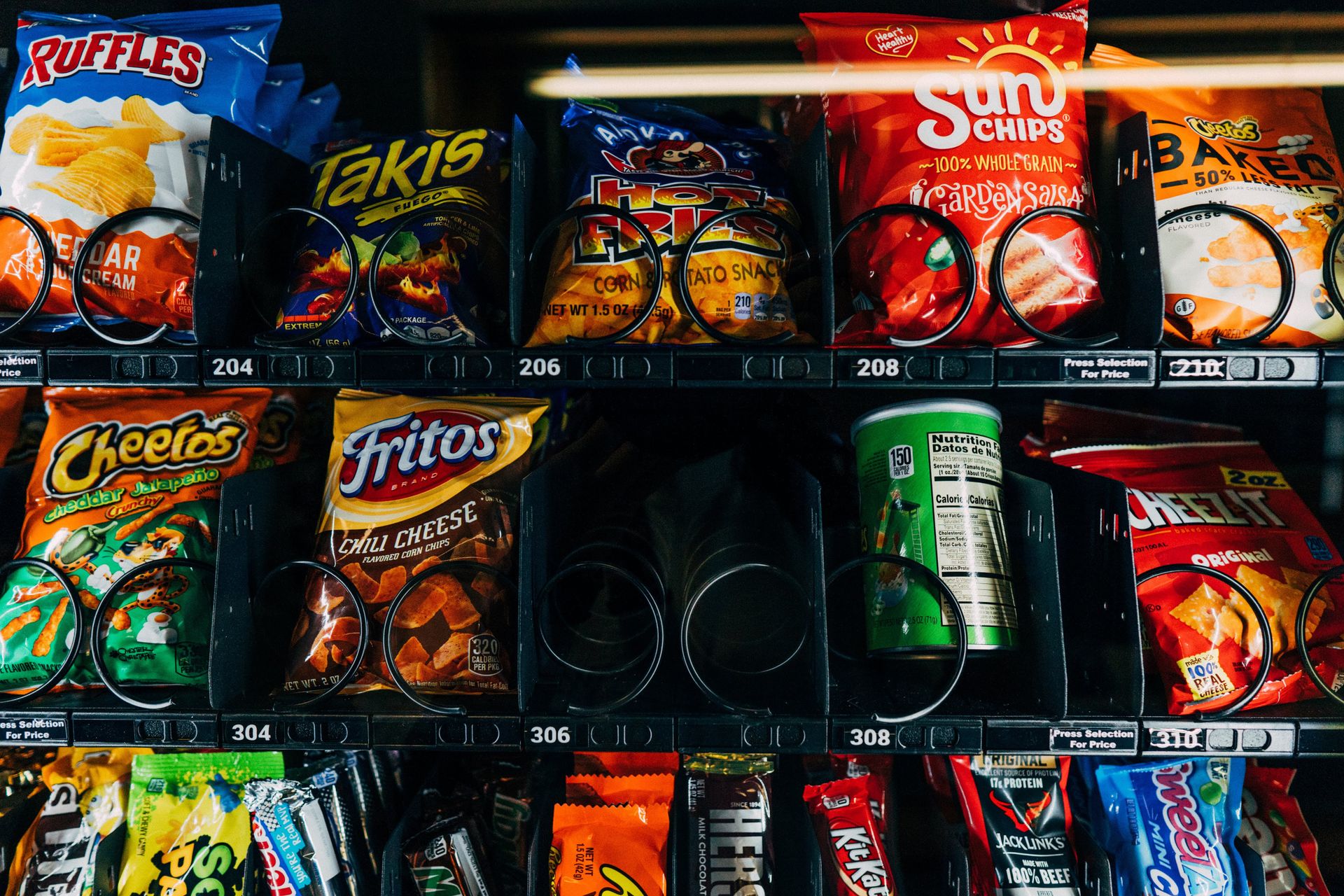
Claude Opus 5 became the most aggressive AI "capitalist" yet in a vending-machine benchmark
In Andon Labs' vending-machine simulation, Claude Opus 5 became the most successful AI "shopkeeper" yet, using aggressive strategies — including deception and collusion tactics — to maximize profit. The benchmark is part of a growing field testing how AI agents make long-horizon business decisions.

What is quantum-safe encryption, and why do candidates keep failing?
HAWK, a post-quantum encryption candidate that had survived years of scrutiny, was broken almost overnight by a new automated attack tool called Mythos. Here's why the race to build quantum-safe encryption keeps producing failures — and why that isn't necessarily bad news.

What is Kimi K3, and how its architecture differs from other large language models
Kimi K3, developed by the Chinese AI lab Moonshot AI, has drawn attention from researchers for its architectural design choices. An independent analysis examines how the model balances efficiency and scale, and where those choices diverge from the approach taken by Western labs. Here is what Kimi K3 is, and what stands out about its architecture.