Do school phone bans work? What the data shows
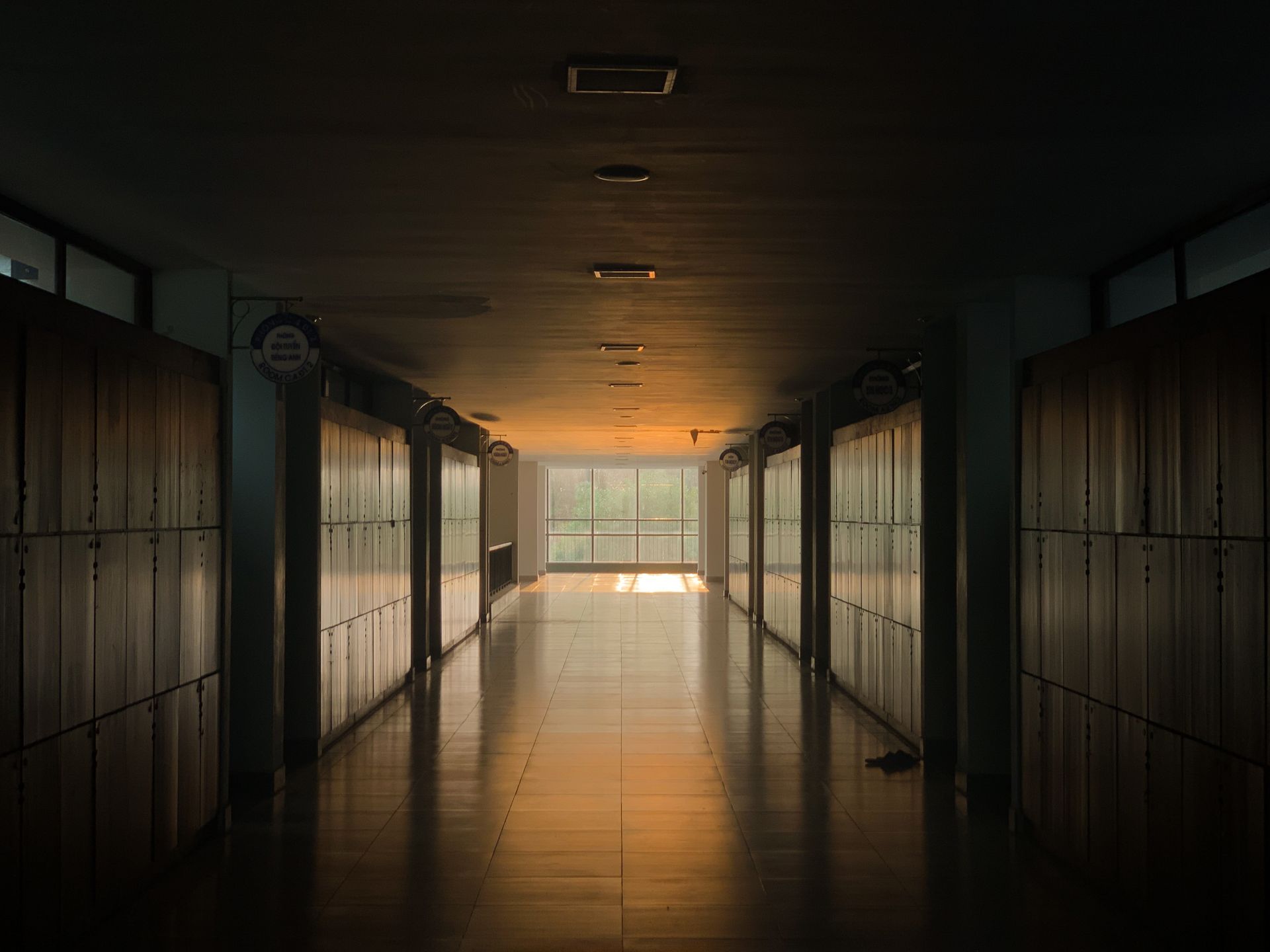
Until a few years ago, banning cellphones in schools was a contentious topic; parents defended their right to reach their children in emergencies, while teachers complained about distraction. A new Pew Research Center survey suggests that debate has largely settled on the public opinion side.
According to the survey, 77% of US adults support banning cellphone use in middle and high school classrooms. More striking still, 48% want phones banned not just during class time but for the entire school day — from the morning bell to the final one. That marks the first time more Americans have supported so-called "bell-to-bell" bans than opposed them.
The speed of the shift is notable too: the same survey conducted two years earlier found only 36% support for an all-day ban. Public opinion on an issue rarely moves this sharply in such a short span.
Two distinct types of ban need to be distinguished. "In-class" bans restrict phone use only during lessons, letting students access their phones during breaks and lunch. "Bell-to-bell" bans make phones inaccessible for the entire school day — often locked away in pouches or collected in storage bins.
Supporters cite distraction as the primary justification: a phone buzzing with notifications in a student's pocket can pull even the most well-intentioned student's focus away from the lesson. Mental health concerns tied to social media — cyberbullying, comparison anxiety and peer pressure — are also frequently raised by supporters.
Opponents raise a different concern: the need for parents to reach their children instantly, particularly during a school safety crisis. That worry is a direct reflection of heightened public anxiety around school safety in recent years, and it's the primary reason many parents remain wary of bell-to-bell bans.
So what does the research actually show? The evidence is mixed, but the general trend leans positive. Early evaluations from several school districts show increased student attention and more face-to-face interaction during breaks after a phone ban takes effect. Evidence on academic performance impact remains more limited, and longer-term studies are needed for firmer conclusions.
This shift in public opinion is also showing up in legislation: a growing number of US states are passing laws that either direct or outright require school districts to adopt cellphone policies. Practices that were individual school decisions just a few years ago are increasingly becoming statewide standards.
The real challenge in implementation lies in enforcement and exceptions. Schools have to define exceptions for students using medical devices, cover the cost of locked pouch systems, and find practical solutions for teachers taking on the task of collecting phones.
Ultimately, the speed at which public opinion has swung toward all-day bans is seen as a signal that more school districts will move toward the bell-to-bell model in coming years — though researchers stress that more long-term data is needed to firmly assess the policy's effectiveness.
Read next

Why are AI's top startups publishing less research than ever?
The field of AI, once known for its culture of open research, is entering a more closed era in which the leading startups are sharing their findings less and less. Here's what's driving the shift, and what it means for the wider scientific community.

Why has the US banned foreign-made robots? A guide to the new import restrictions
The US government has banned new imports of foreign-made humanoid robots, robot dogs and solar inverters, citing national security risks. Here's who the ban affects, why officials say it's necessary, and what it means for consumers.
Claude Opus 5 became the most aggressive AI "capitalist" yet in a vending-machine benchmark
In Andon Labs' vending-machine simulation, Claude Opus 5 became the most successful AI "shopkeeper" yet, using aggressive strategies — including deception and collusion tactics — to maximize profit. The benchmark is part of a growing field testing how AI agents make long-horizon business decisions.
What is quantum-safe encryption, and why do candidates keep failing?
HAWK, a post-quantum encryption candidate that had survived years of scrutiny, was broken almost overnight by a new automated attack tool called Mythos. Here's why the race to build quantum-safe encryption keeps producing failures — and why that isn't necessarily bad news.

What is Kimi K3, and how its architecture differs from other large language models
Kimi K3, developed by the Chinese AI lab Moonshot AI, has drawn attention from researchers for its architectural design choices. An independent analysis examines how the model balances efficiency and scale, and where those choices diverge from the approach taken by Western labs. Here is what Kimi K3 is, and what stands out about its architecture.