Google will pay SpaceX $920 million per month for compute capacity
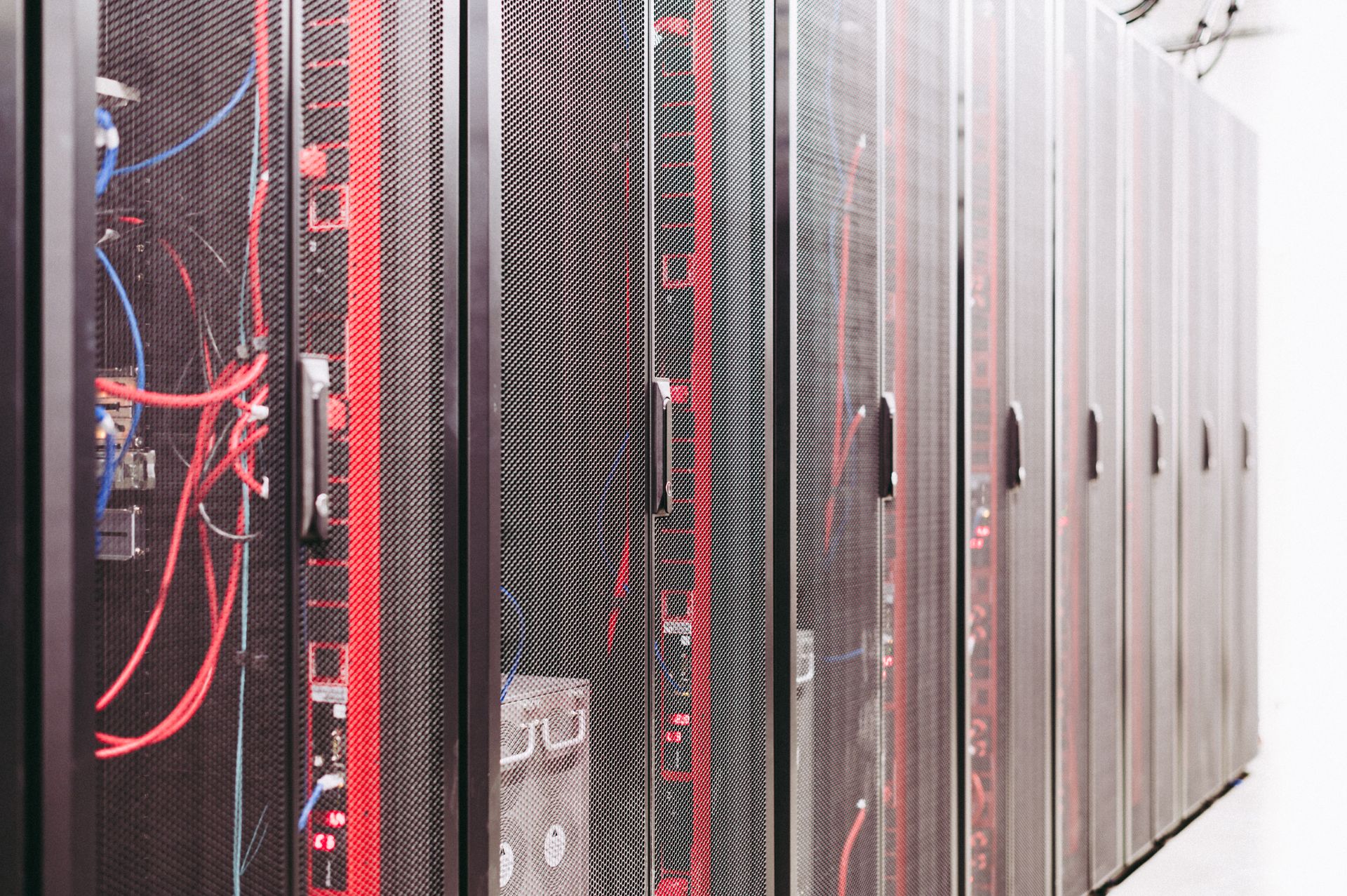
Google will pay Elon Musk's space company SpaceX around $920 million a month to rent compute capacity at xAI's Memphis data centre, TechCrunch has reported, citing CNBC documents. TechCrunch describes the roughly $11 billion-a-year deal as one of the largest third-party compute purchases on record.
The structure differs from a typical cloud-provider contract. The Memphis data centre was built by xAI, but its operational financing sits on the SpaceX balance sheet. Google will pay on a capacity-guarantee basis rather than at a flat per-GPU-hour rate.
According to TechCrunch, the contract renews automatically over a three-year cycle and has the potential to reach a total value of $35 billion. That scale points to a level similar to Microsoft's annual compute consumption with OpenAI.
A Google Cloud spokesperson told TechCrunch: "We do not comment on our customers. We work with a diverse set of capacity sources as part of our supply-chain diversification strategy." SpaceX and xAI did not respond to a request for comment.
Wall Street's reaction was mixed. Alphabet's share price fell 1.2% after the report; analysts raised concerns about whether spending of this magnitude could exceed last quarter's capital expenditure guidance. Goldman Sachs analyst Erik Woodring wrote: "This figure prompts questions about how much of the AI infrastructure cost is being passed on to customers."
On the SpaceX/xAI side, the Memphis data centre is currently understood to host a cluster of around 100,000 H100/H200 GPUs. xAI's growth plan, leaked to Bloomberg in February, aimed to take that figure to 250,000 by the end of 2026; the Google deal could finance that expansion.
The deal also has a competition-policy angle. The European Commission opened a narrowly scoped inquiry into AI infrastructure procurement last month; the Google-xAI relationship could attract its attention. The US Federal Trade Commission's standing review programme on AI procurement deals may also pick it up.
From Musk's side, with Tesla's Dojo supercomputer programme and xAI's funding round, Memphis becoming critical infrastructure strengthens the SpaceX financing side. According to TechCrunch, cross-financing between Musk-controlled companies has expanded rapidly over the past six months.
Alphabet's open AI spending push requires creative funding approaches. Last year's $85 billion equity raise, the accelerated rollout of Gemini Spark and the rental of data-centre capacity have become three sides of the same budget.
This article is not investment advice. The net impact of the deal will depend on regulatory approval and the eventual operating costs of the newly commissioned GPU architecture. Investors are advised to discuss decisions with a licensed financial adviser.
More from Tech

Congress still can't decide what to do about warrantless surveillance under Section 702
A Senate vote on a Section 702 reform package failed. According to The Verge, an amendment introduced by Republican Senator Bill Pulte that would have required a warrant fell 47-51. The surveillance authority is set to expire in December.

Small modular nuclear reactor reaches criticality in first US test
An 80 MW small modular reactor (SMR) built by TerraPower at Idaho National Laboratory has reached criticality in the first US test of an SMR design. The reactor's factory-manufactured modular architecture aims to cut construction times to a third of those of standard reactors.

A USB-connected speaker can infect a PC over the air without ever being touched
Researchers at Ruhr University Bochum have shown that a popular USB-Bluetooth speaker can have code injected into its firmware from up to 30 metres away and used to send HID injection commands to a connected PC. According to Ars Technica, the attack requires no user interaction with the device.