What is a radiation-blocking vest, and why does it matter for future Moon missions?

One of the least visible but most serious hazards of space travel is cosmic radiation. Earth's magnetic field and atmosphere shield us from high-energy particles streaming in from the sun and deep space, but astronauts who leave that protective bubble are exposed to it directly. As longer Moon and Mars missions move from planning into reality, solving this problem has become an increasingly urgent engineering priority.
The traditional approach has been to shield the entire spacecraft against radiation. But that comes with a serious drawback: shielding material thick enough to provide meaningful protection adds substantial weight to the vehicle, which drives up launch costs dramatically. Every extra kilogram translates directly into added expense on a space mission.
The newly tested approach flips that logic: instead of armouring the whole spacecraft, engineers developed a wearable vest that protects the astronaut's body directly. This "targeted protection" strategy focuses specifically on the organs most vulnerable to radiation — bone marrow in particular — aiming to deliver meaningful protection using far less material.
The concept behind the vest is simple, even if the engineering is demanding: it's built from dense but relatively lightweight materials, shaped to cover the body's most critical areas — especially the torso, where much of the body's radiation-sensitive bone marrow is concentrated. Rather than shielding the whole body equally, the strategy prioritises the tissue most vulnerable to radiation damage.
The test, carried out on a mission that travelled to the Moon, was designed to measure whether the vest delivered the expected level of protection under real spaceflight conditions. The results were positive: radiation sensors built into the vest recorded significantly lower doses in the shielded areas of the body compared to unshielded regions.
That success carries particular weight for far longer missions, such as a crewed trip to Mars. A lunar mission lasts days or weeks, while a Mars mission could last months or even years, which compounds cumulative radiation exposure dramatically. Lightweight, portable, and effective protection solutions are becoming a genuine factor in whether such missions are feasible at all.
Engineers stress that wearable protection like this should be thought of as complementary to full-vehicle shielding rather than a replacement for it. During solar flares in particular — brief but extremely intense bursts of radiation — a vest that astronauts can quickly put on could serve as a life-saving tool in emergency scenarios.
Following the successful test, researchers are now working on developing further versions of the vest and lightening its material composition even more. The goal is to reduce weight without compromising protection, since every gram on a space mission competes directly with food, scientific equipment, or other resources the crew could otherwise carry.
Ultimately, this test represents a meaningful shift in how engineers are approaching the problem of space radiation: protecting the person directly, rather than just the vehicle around them. If the approach continues to prove itself, it could offer a relatively low-cost way to improve crew safety on future Moon bases and Mars missions.
Read next

Apple and Epic are fighting again over App Store fees — here's what's at stake
Apple has proposed a new structure to a US court that would let it collect fees on digital purchases made through links outside its in-app payment system, and Epic Games says the request goes far beyond what the court has allowed. The dispute is the latest chapter in a years-long legal fight over App Store control.

Anthropic could be worth $2 trillion when it goes public, fuelled by rapid revenue growth
Rapid revenue growth at Claude maker Anthropic is fuelling hopes that its eventual public listing could become the biggest in history, with some investors floating a valuation as high as $2 trillion. The figures underscore how fast enterprise demand for AI systems has scaled in a short period.
Have you been 'shadowbanned' on X? Here's how the open-source algorithm lets you check
X is expanding the open-source code behind its 'For You' feed and rolling out new transparency tools that let users see when the platform's ranking systems have affected their account or posts. The move directly addresses years of user speculation about so-called 'shadowbanning.'
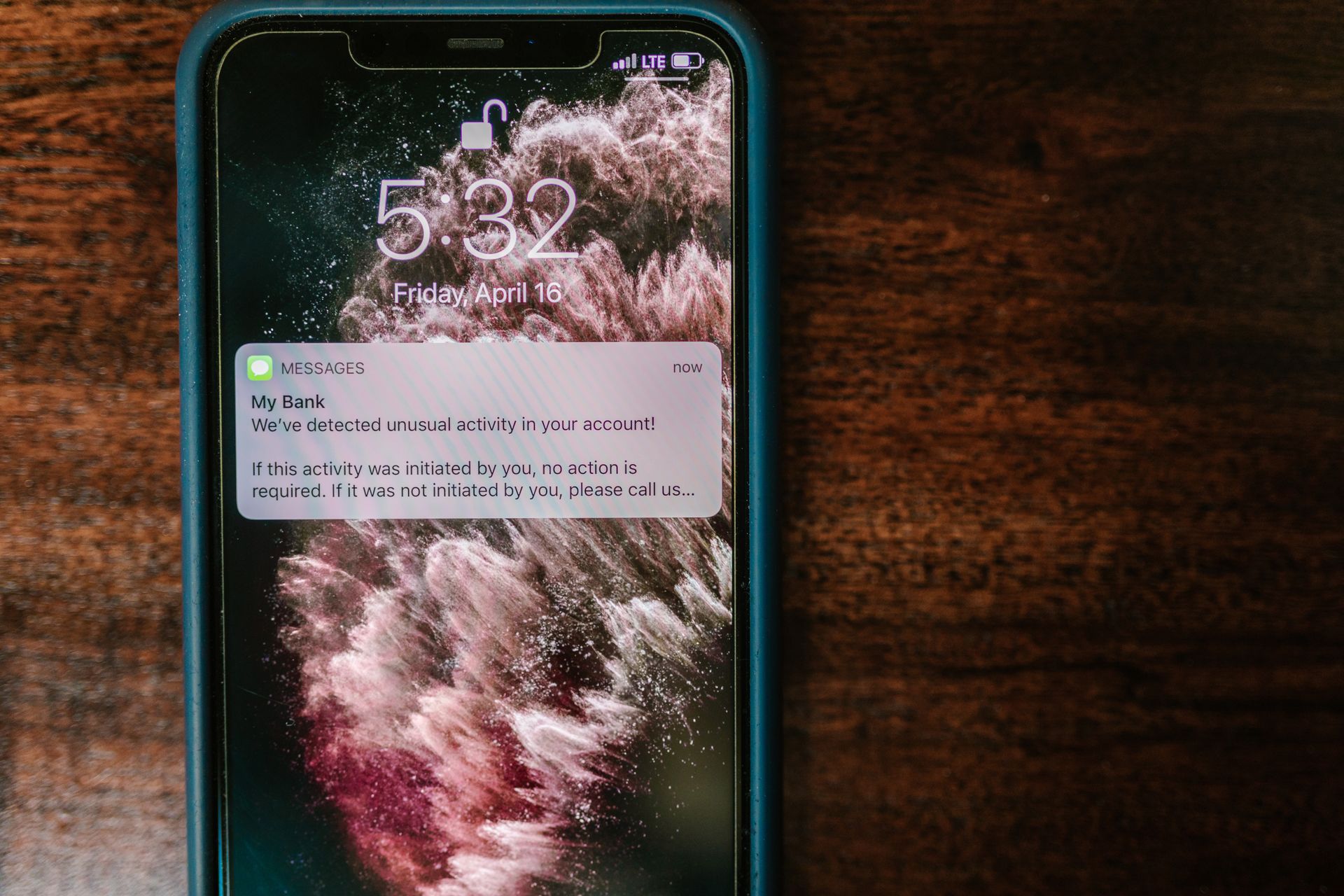
Apple spyware alerts: what to do if you get one
Apple sends a push notification directly to a user's lock screen when it identifies state-sponsored spyware targeting their device. Receiving one is rare but serious — security researchers say these alerts are almost never false alarms, and explain exactly what to do if one arrives.
How a specially designed font is being used to poison AI scrapers
A new tool called ShieldFont lets website owners embed text that reads normally to human visitors but turns into nonsense when scraped by AI training crawlers. The approach adds to a growing toolkit publishers are using to resist having their content harvested for AI models without consent.