Apple and Epic are fighting again over App Store fees — here's what's at stake
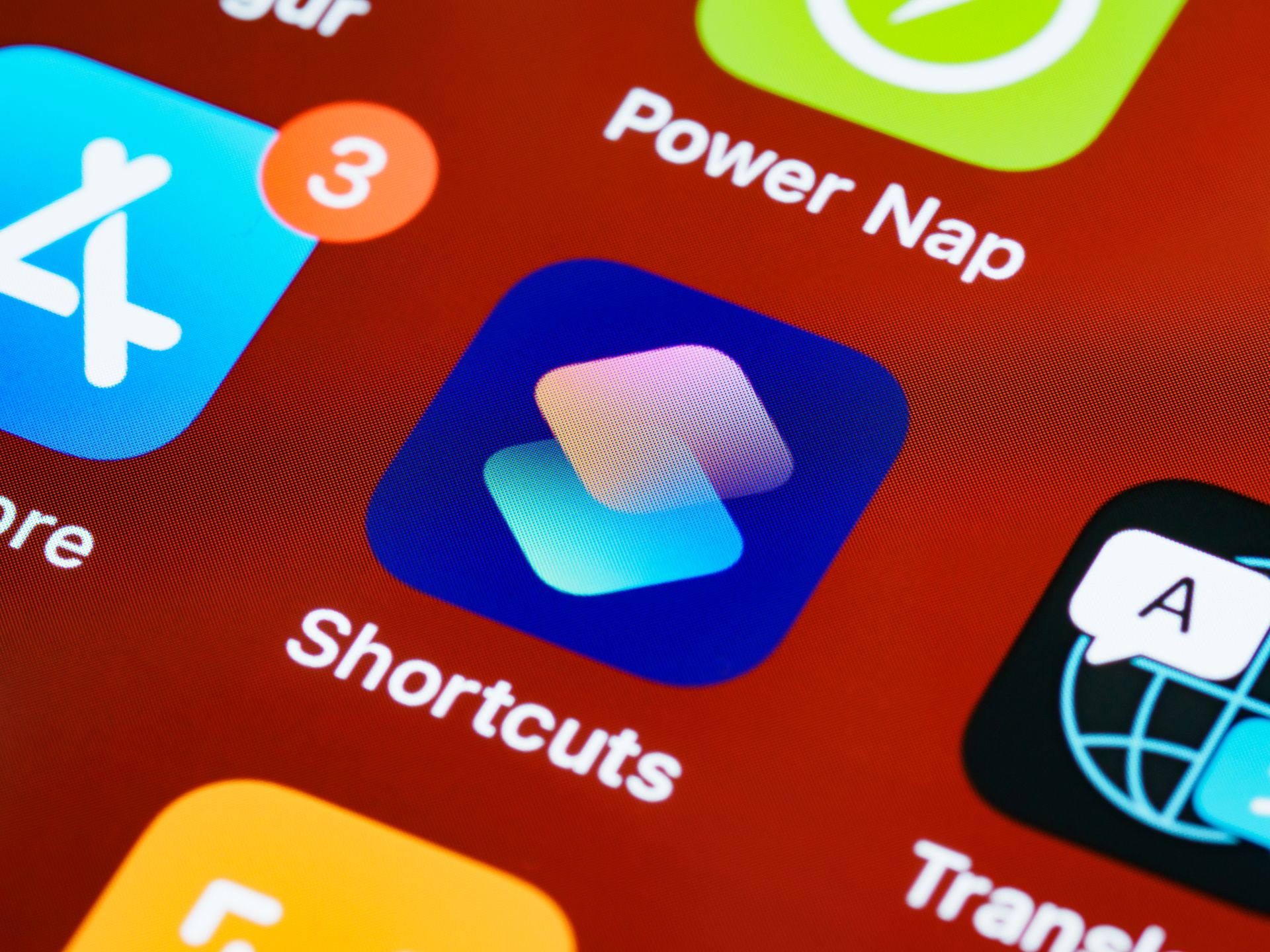
The App Store commission fight between Apple and Epic Games is back in the headlines with the latest chapter in a years-long legal battle. This time, the dispute centres on a new set of rules governing whether developers can sell digital goods through links outside the app, bypassing Apple's payment system entirely.
The case traces back to Epic Games' 2020 lawsuit challenging Apple's commission policy in Fortnite. California district court judge Yvonne Gonzalez Rogers ruled in April 2025 that Apple had "willfully" failed to comply with her earlier 2021 injunction, and clarified that the company could not collect commissions on sales made through external links.
Apple appealed that decision, sending the case to the Ninth Circuit Court of Appeals. An appellate panel offered some guidance on how to interpret the lower court's ruling — but how exactly that guidance should be read has now become the subject of a fresh dispute.
Apple's latest filing proposes a new structure that would let it collect fees on sales made through those external links. The company's argument is that the appeals court's guidance permits this kind of fee structure. Epic Games strongly disputes that reading, arguing that Apple's request goes "far outside of the bounds" the court has set.
At the heart of this disagreement is a fundamental question about how the App Store economy will function going forward. If Apple can collect a commission even on sales made through external links, much of the cost advantage developers hoped to gain by bypassing Apple's payment system could effectively disappear — which directly affects how meaningful the original court ruling turns out to be in practice.
This case extends well beyond a dispute between Apple and Epic; it's part of a broader global movement. The European Union's Digital Markets Act and similar regulations aim to limit big tech platforms' control over app stores, and cases like this one in US courts represent a similar dynamic playing out through litigation rather than legislation.
For developers, the outcome of this case carries direct financial consequences. Apple's commission rates — typically ranging from 15% to 30% — have long been among the most criticised aspects of the App Store among developers. Whether the external-link option ends up being genuinely "fee-free" could directly shape the business models of small and mid-sized developers.
For its part, Apple continues to argue that the App Store represents a significant infrastructure investment in security, privacy, and platform integrity, and that these services come at a cost. The company contends that its commissions cover more than just payment processing — including developer tools, security reviews, and other platform-wide services.
Ultimately, this latest legal move is just one part of a larger struggle that will shape the App Store's future. How the court resolves this dispute won't just affect Epic and Apple — it will directly shape the economics millions of developers and the broader app economy operate under worldwide.
Read next

Anthropic could be worth $2 trillion when it goes public, fuelled by rapid revenue growth
Rapid revenue growth at Claude maker Anthropic is fuelling hopes that its eventual public listing could become the biggest in history, with some investors floating a valuation as high as $2 trillion. The figures underscore how fast enterprise demand for AI systems has scaled in a short period.

What is a radiation-blocking vest, and why does it matter for future Moon missions?
A specialised radiation-blocking vest was tested on a lunar mission, targeting protection at the astronaut's body directly rather than shielding the entire spacecraft. The test succeeded, and researchers say it marks a meaningful step toward protecting crews on longer future Moon and Mars missions.
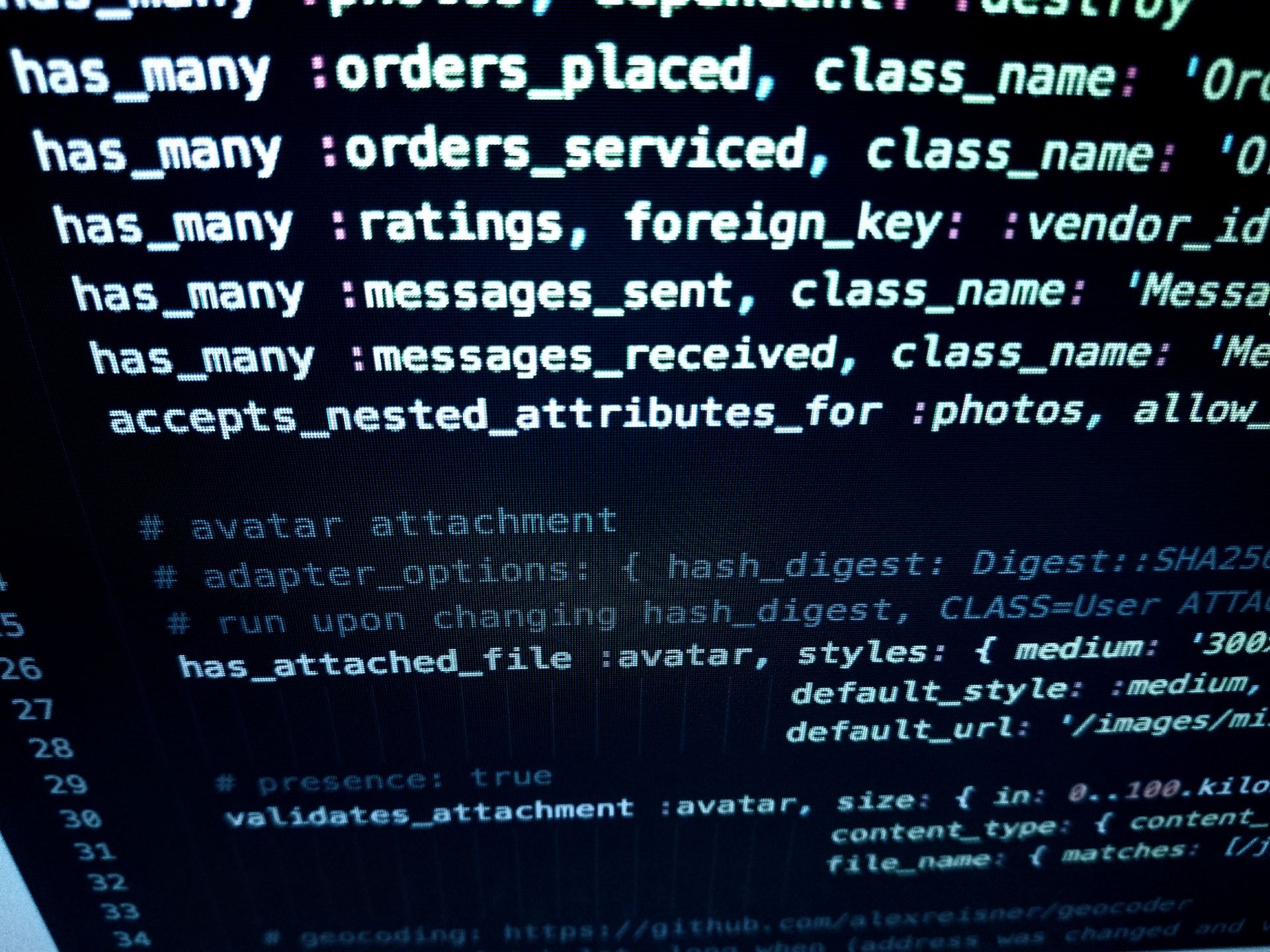
Have you been 'shadowbanned' on X? Here's how the open-source algorithm lets you check
X is expanding the open-source code behind its 'For You' feed and rolling out new transparency tools that let users see when the platform's ranking systems have affected their account or posts. The move directly addresses years of user speculation about so-called 'shadowbanning.'
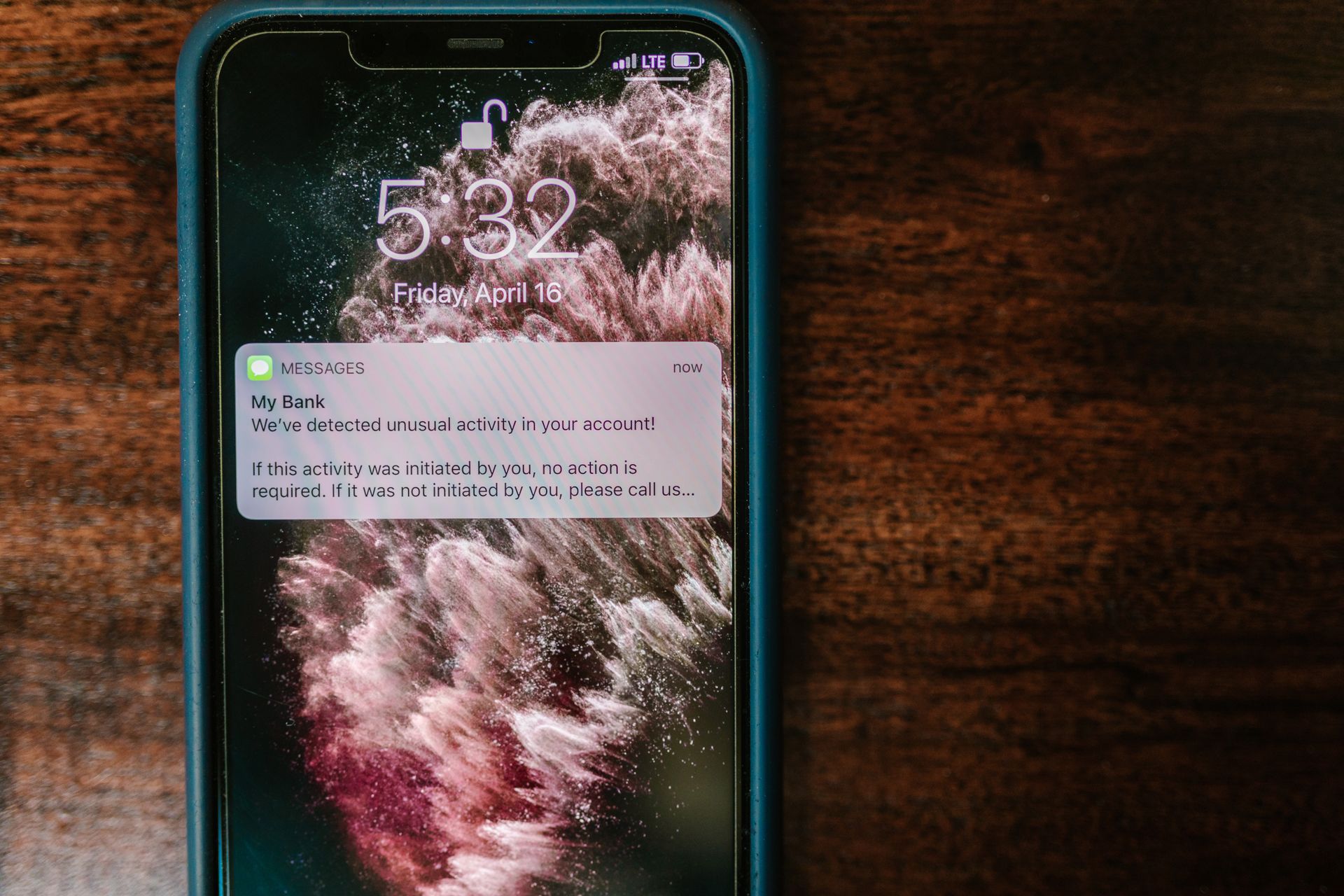
Apple spyware alerts: what to do if you get one
Apple sends a push notification directly to a user's lock screen when it identifies state-sponsored spyware targeting their device. Receiving one is rare but serious — security researchers say these alerts are almost never false alarms, and explain exactly what to do if one arrives.
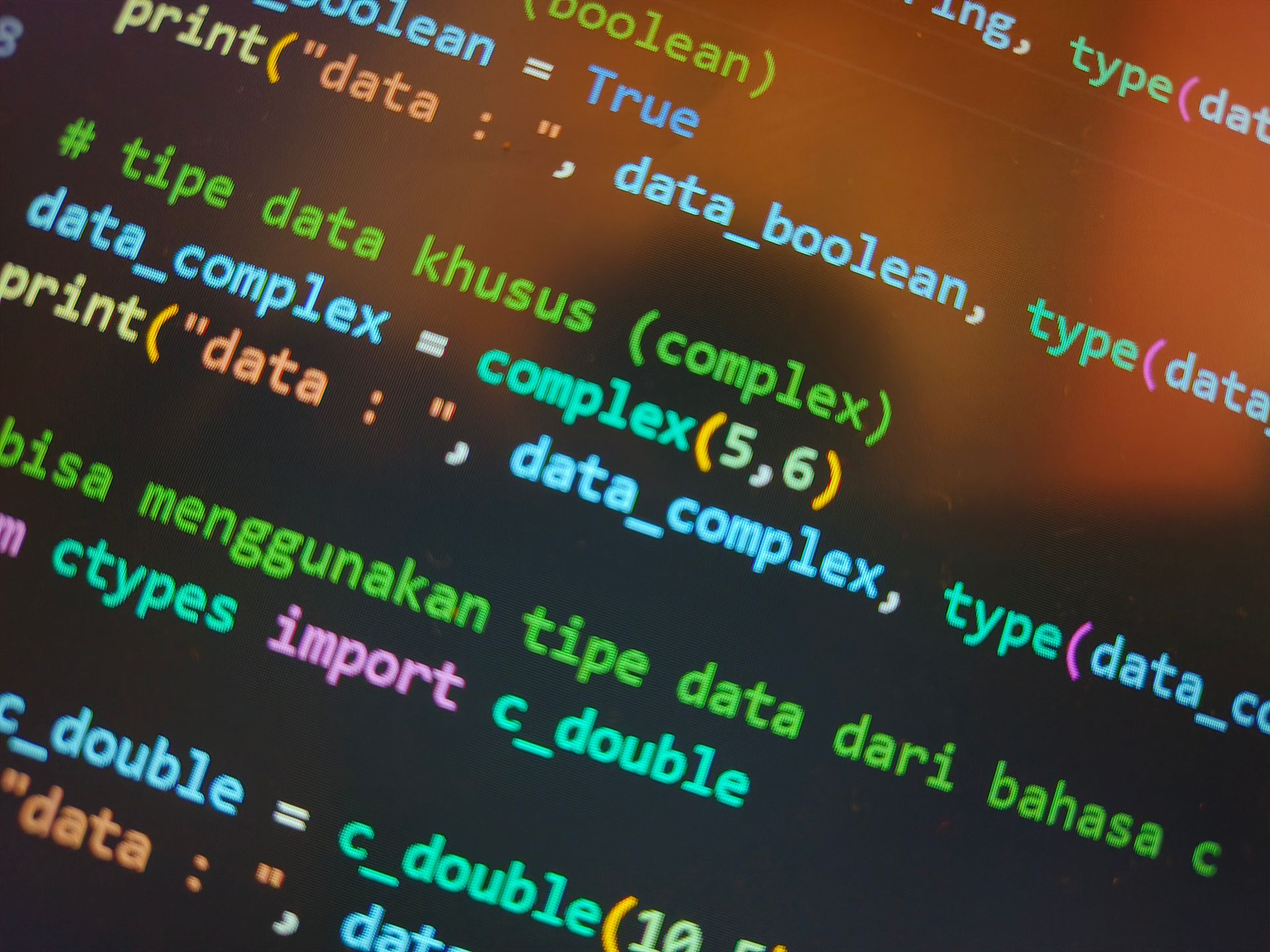
How a specially designed font is being used to poison AI scrapers
A new tool called ShieldFont lets website owners embed text that reads normally to human visitors but turns into nonsense when scraped by AI training crawlers. The approach adds to a growing toolkit publishers are using to resist having their content harvested for AI models without consent.