Anthropic in talks with Samsung over a custom AI chip, TechCrunch reports
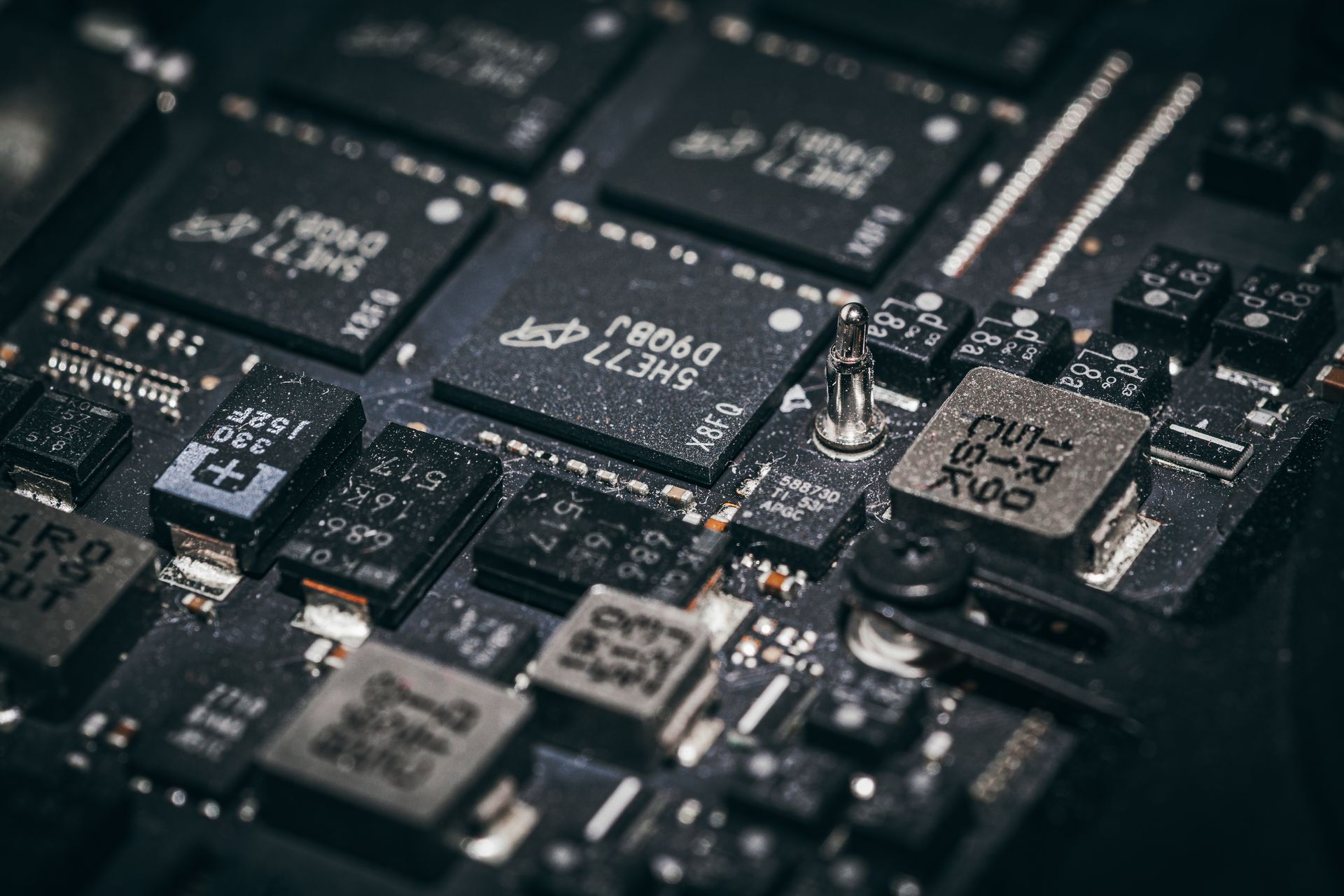
Anthropic, the artificial-intelligence company behind the Claude family of models, is in discussions with Samsung about a new custom chip, TechCrunch reports. The talks, if they lead to a deal, would deepen Anthropic's involvement in the hardware that underpins modern AI and add to a broader industry push to gain more control over the silicon that runs large language models.
Training and operating advanced AI systems requires vast amounts of specialised computing power. Until recently, that meant graphics processing units, or GPUs, made overwhelmingly by Nvidia, whose chips became the default engine of the AI boom. The intense demand has left AI companies competing for scarce supply and exposed to the pricing and roadmap of a single dominant vendor.
Against that backdrop, several leading AI firms have begun exploring or commissioning their own custom chips, designed for the specific workloads their models demand. Custom silicon can, in principle, deliver better performance per dollar and per watt for a company's particular needs, and it reduces dependence on any one supplier. TechCrunch's report places Anthropic's Samsung talks squarely within that trend.
Samsung is one of a small number of companies capable of manufacturing advanced chips at scale, and it also designs memory and other components central to AI computing. A partnership could involve Samsung's manufacturing capacity, its design expertise, or both, though the specifics of what Anthropic is seeking were not fully detailed in the report, which describes discussions rather than a finalised agreement.
The move would fit a pattern among Anthropic's peers. Other major AI developers have pursued custom chips through partnerships with established chipmakers and foundries, and large cloud providers have designed their own AI processors for internal use. The common thread is a desire to secure capacity, control costs and optimise hardware for AI rather than relying entirely on general-purpose parts.
For Anthropic specifically, closer involvement in hardware could help manage the enormous expense of running its models. The cost of computing power is one of the largest line items for AI companies, and even modest efficiency gains, multiplied across the scale at which these systems operate, can translate into substantial savings and a more predictable supply.
There are significant challenges to any such effort. Designing and manufacturing a competitive chip is difficult, capital-intensive and slow, typically taking years from concept to deployment. Custom silicon must also be paired with software that can use it effectively, and the field's rapid pace means a chip optimised for today's models may need to accommodate tomorrow's very different architectures.
The report also underscores the strategic weight that chip supply now carries in the AI industry. Access to advanced semiconductors has become a central concern not only for individual companies but for governments, given the technology's economic and security implications, and partnerships that shape who can make and buy leading-edge chips draw close attention.
Anthropic has grown rapidly as a competitor in the AI market, and arrangements that broaden its hardware options would strengthen its position relative to rivals that depend heavily on the same constrained pool of chips. Diversifying suppliers and tailoring hardware are increasingly seen as competitive necessities rather than optional refinements.
As with any report of early-stage talks, the outcome is not assured, and discussions of this kind do not always result in a deal. But the mere fact that a leading AI company is exploring a custom chip with a manufacturer of Samsung's scale illustrates how central hardware strategy has become to competing at the frontier of artificial intelligence.
Read next

Geolocation data: what Virginia's ban on selling your location means
Virginia has moved to ban the sale of precise geolocation data, restricting a booming trade in information about where people go. This explainer covers what geolocation data is, how it is collected and sold, and why a growing number of lawmakers want to limit the practice.

Quiet supersonic flight: how the FAA proposal could revive faster-than-sound travel
The US aviation regulator has proposed allowing supersonic airliners to fly over American cities if they are quiet enough, Ars Technica reports. The plan would replace a decades-old outright ban on overland supersonic flight with a noise-based standard, potentially reopening the door to faster air travel.

Why does Switzerland have 25 Gbit internet and the US does not?
A widely shared analysis asks why Switzerland offers home internet speeds of 25 gigabits while much of the United States lags behind. This explainer looks at the infrastructure, regulation and market structure that shape how fast, and how affordable, a country's broadband becomes.

Google loses EU antitrust appeal and must pay a record $4.7 billion fine
Google has lost a long-running appeal against a record European Union antitrust fine and must pay about $4.7 billion, Ars Technica reports. The penalty stems from EU findings over how Google used its Android mobile operating system to entrench its search engine.

Why everyone from Honda to Big Tech is pivoting to data centers
Honda's move into data centers is the latest sign that the AI computing boom is pulling in companies far outside the tech industry. Here is why so many firms are chasing data center demand, and the risks of a building spree tied to a single technology wave.