Fox to acquire Roku in $22B deal: what the new streaming landscape looks like
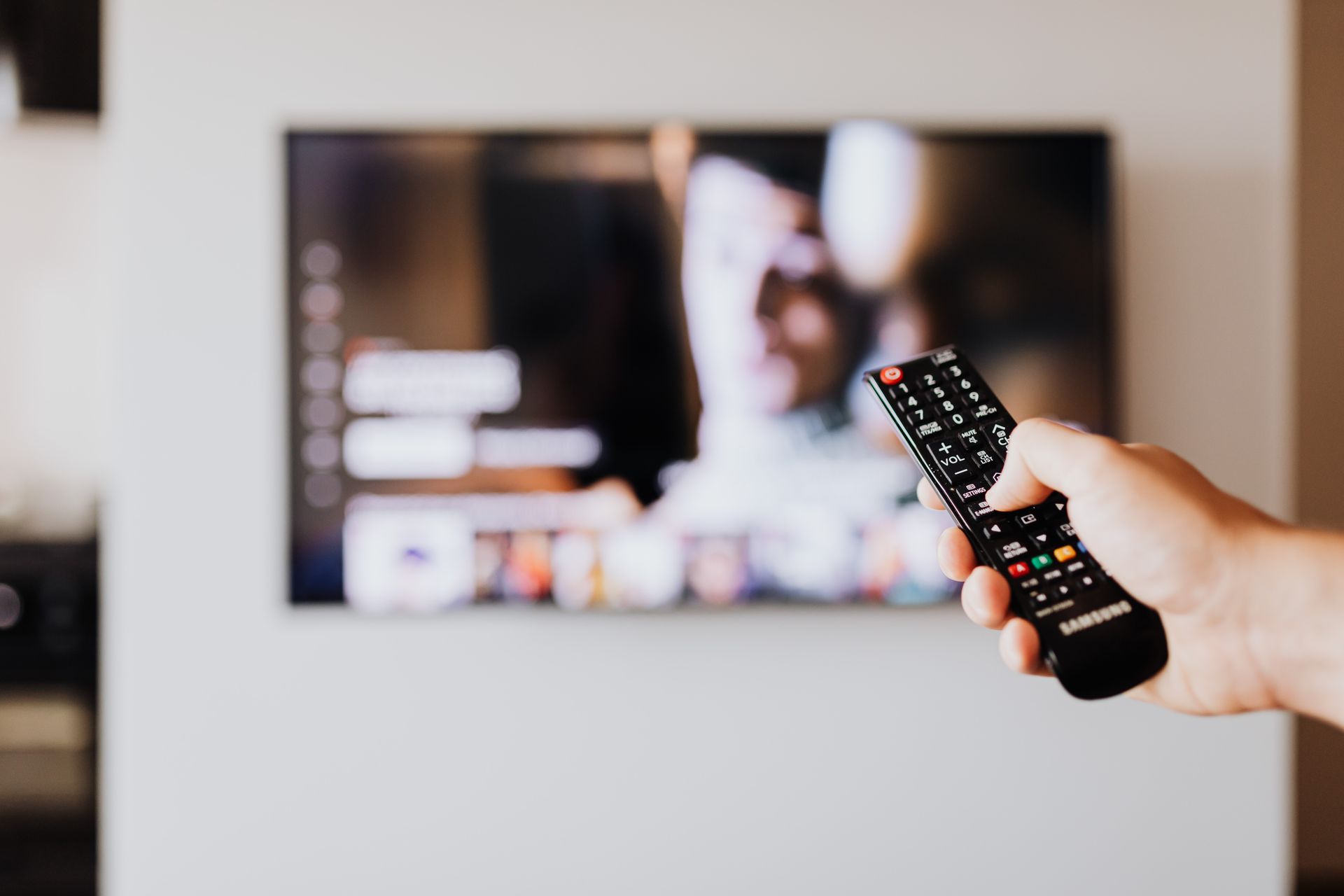
Fox Corporation's announcement of a $22 billion bid for Roku is being read as the most significant single move in the smart-TV ecosystem in years.
According to TechCrunch, the deal has a mix of stock and cash components and will go through a series of regulatory approvals. The expected closing window is early 2027.
Two things stand out on Roku's balance sheet: more than 80 million active accounts and the Roku OS, an operating system pre-installed on millions of devices worldwide. For Fox, that buys not just a content business but direct access to the screen-layer itself.
Traditional broadcasters have been under structural pressure for a decade. TV advertising spend is migrating to digital platforms; younger viewers are moving from mainstream cable to YouTube and TikTok. Fox is positioning the deal as a defensive response to that shift.
The Roku side of the story is different. Although the company has steadily grown its advertising revenue, hardware margins remain thin and the smart-TV market is squeezed by Chinese manufacturers and Amazon Fire TV. Being acquired by a large group had long been a discussed scenario.
The consequences for the advertising market could be sizeable. A combined Fox-Roku gathers premium sports content (NFL, MLB) and an addressable advertising platform into one structure. That puts it in direct competition with the Disney-Hulu axis and the YouTube TV-Google Ads combination.
A regulatory pushback is expected. In the United States, consumer groups argue concentration in the smart-TV operating system market deserves close scrutiny. EU-style frameworks like the Digital Markets Act will also be watching closely.
What does the deal mean for Roku users, if it closes? Very little in the short term: devices will keep working and existing channel apps will remain. Over the medium term, expect Fox-branded apps to be elevated on the home screen and new advertising formats to be trialled.
Another key detail is the future role of Roku as an independent app store. Third-party services such as Netflix, Disney+ and Max run on Roku OS; Fox competing with these services while also hosting them creates the familiar 'platform owner versus content owner' tension.
Vesper notes this is reporting and analysis, not investment advice; financial decisions should be discussed with a licensed adviser who knows the reader's goals and risk profile.
Read next

How long until the Sun ends life on Earth? New modelling gives us more time
New planetary modelling suggests that the date by which the Sun will eventually end life on Earth may be later than previous estimates suggested. The results show that even on cosmic time scales, small input changes drive big shifts.

20 years of Intel Macs: why Apple switched, and why it switched again
Two decades have passed since Apple abandoned PowerPC and moved Macs to Intel architecture in 2006. Why was one of the boldest platform transitions in computing history necessary, and why did Apple decide to switch again to its own silicon in 2020?
Chrome closes the loopholes that kept old ad blockers alive: what's changing and why
Google Chrome is closing the last side-routes that kept ad blockers built on the older Manifest V2 extension system working. Users of tools like uBlock Origin need to weigh what to do next, which alternatives still work, and how the change ties into the wider privacy debate.

Which countries are moving to ban social media for children: a global map
A regulatory wave restricting or banning social media access for children and teenagers is spreading quickly. Australia, the UK, Norway and France are leading, but each country's approach varies significantly by age threshold and platform scope.
Chopped, stored, secured: what a hash function is, and why modern security depends on it
Hash functions sit beneath nearly everything that keeps digital systems safe — passwords, cryptocurrencies, digital signatures, data integrity. This is an explainer of what they do, how they are built and why a single weakness in the underlying maths can break the whole stack.