As Anthropic suspends access, India reopens its debate about its own AI future
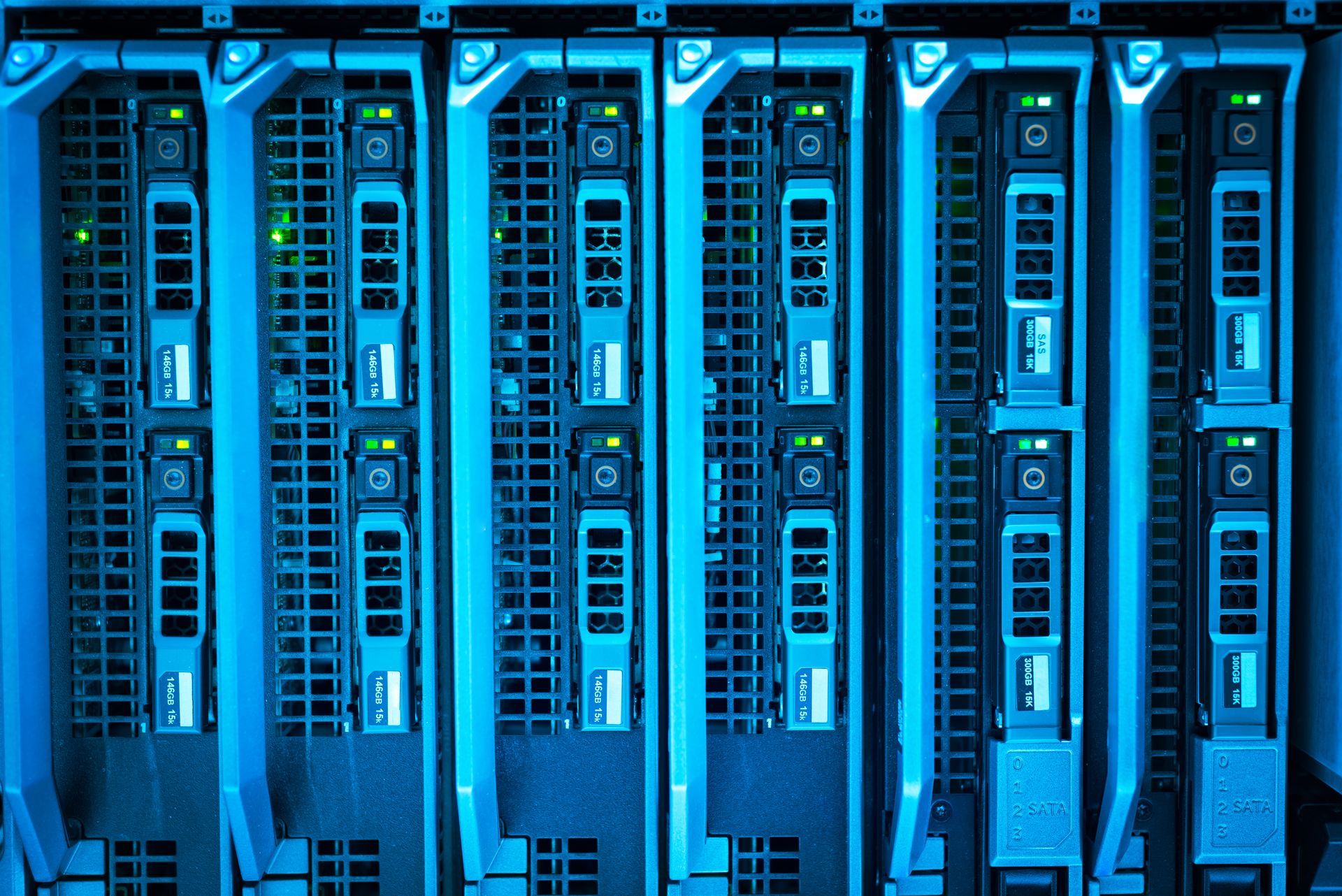
Restrictions on access to Anthropic's newest models have reopened a debate India has been carrying for years: should the country build its own large language model (LLM) stack? TechCrunch's reporting draws together voices from Bengaluru and New Delhi.
The details of the Anthropic access restriction are tied to recent shifts in US federal policy on AI export and access. This article is not a political analysis, but the story has put the question of which AI infrastructure India controls and which it rents back on the table.
India's AI ecosystem has scaled fast over the past three years. NASSCOM data place the country as a significant share of the global IT services market; converting that capacity to the AI side is what large integrators such as Bharat Forge, Tata Consultancy Services and Infosys are working on with a wave of Bengaluru-based startups.
Two main views stand out. The first is for a domestic model stack: India should build its own LLM and the GPU infrastructure beneath it. Initiatives such as AI4Bharat and OpenHathi have moved in that direction. AI4Bharat, run with IIT Madras, is collecting training data across Indian languages and releasing open models.
The second view favours sustained access to global models. By this reasoning, the cost and complexity of frontier models exceeds the capacity of a single country; the rational play is to win at the application layer and specialise in language datasets. Many of Bengaluru's B2B SaaS firms hold this position.
Hardware is central to the debate. AI training depends heavily on NVIDIA GPUs and hyperscaler clouds. India's semiconductor manufacturing capacity is limited; the Modi government's India Semiconductor Mission is still at an early stage. Data centre power capacity is a further constraint.
The financing dynamics are shifting. Indian venture capital is rotating from older B2C consumer plays into AI infrastructure and vertical applications. Peak XV Partners, formed from the Sequoia India spin-off, reported in its latest update that Indian AI investment ran at roughly 3 billion dollars in 2024.
There are two regulatory dossiers to follow. The first is India's Digital Personal Data Protection Act (DPDPA), which sets the baseline framework for AI data use. The second is the Ministry of Electronics and IT's (MeitY) ongoing discussion of notification and assessment obligations for AI output.
Global context: China's DeepSeek and Alibaba Qwen models, and Europe's Mistral, Cohere and Aleph Alpha efforts, are being cited as reference points. Mistral's latest round at a reported 20 billion euro valuation is read as concrete evidence that a mid-size ecosystem can produce its own AI company.
Context for Turkey: TÜBİTAK and private-sector Turkish LLM efforts (KOSMOS, Turkcell's Bedia, Trendyol's model) are being built out. The Indian experience is a useful comparison for any mid-size economy weighing where in the AI stack to compete.
In the near term, TechCrunch indicates that the Indian government is preparing a more comprehensive AI strategy paper. That strategy will need to balance financing, hardware priority and international access guarantees. This article is not investment advice with respect to Indian equities or AI assets.
Read next
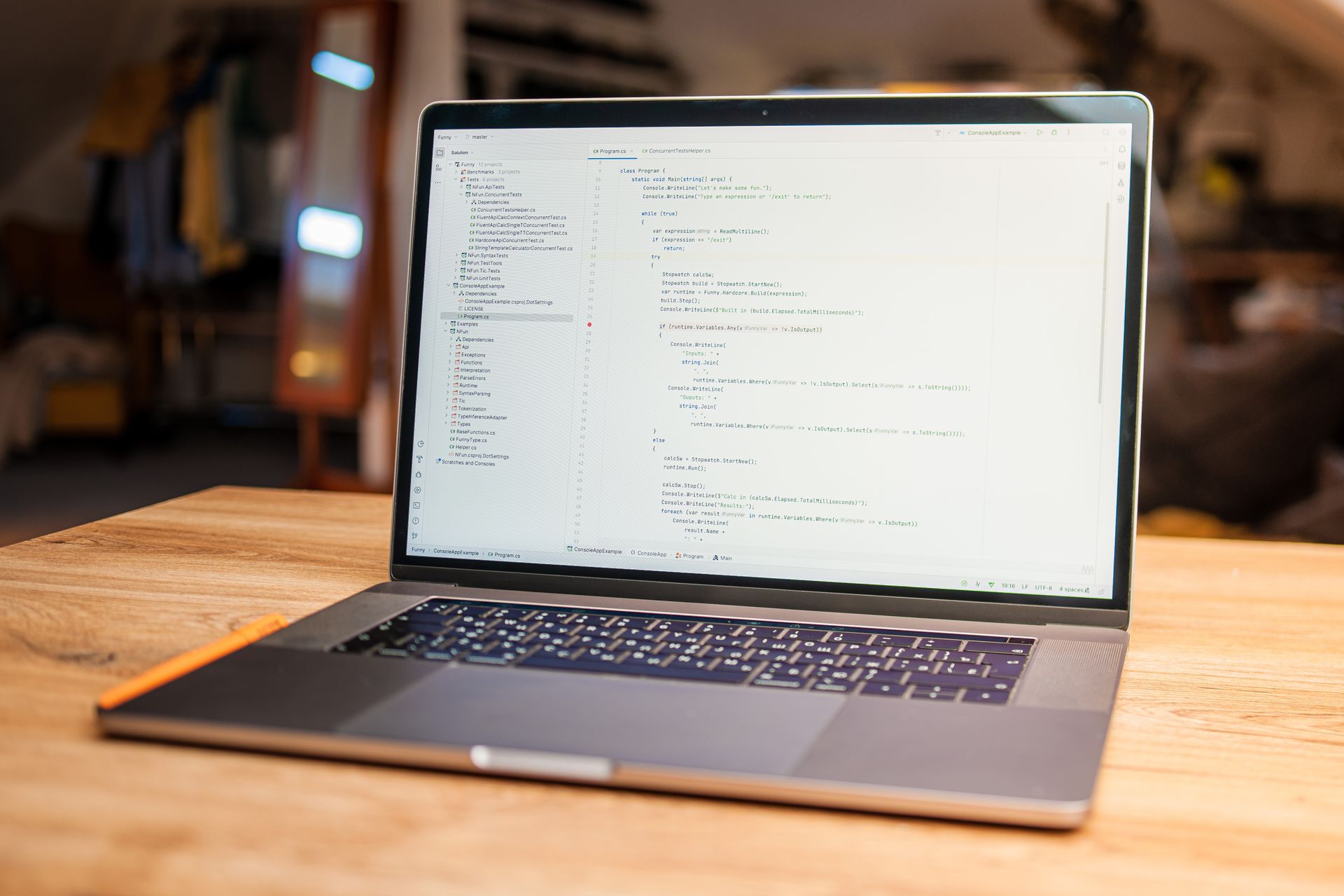
What is Pyodide? Python packages can now publish WebAssembly wheels to PyPI
Pyodide's 314.0 release lets Python packages publish WebAssembly wheels directly to PyPI. The change expands the reach of the Python-in-the-browser ecosystem to a much wider package base.

PeopleSoft zero-day affecting hundreds of organisations leaks gigabytes of data
A zero-day vulnerability discovered in Oracle's PeopleSoft ERP platform has turned into an active campaign exfiltrating gigabytes of data from hundreds of organisations. The attack reaches government, university and healthcare sectors.

Inside the FBI's replica small town: what a physical cyberattack range really tests
The FBI has built a replica small town in the United States to test cyberattack scenarios against real infrastructure. Cyber ranges of this kind are increasingly central to training, equipment testing and incident response.

Underground fungal networks are long enough to reach beyond the Solar System
The total length of underground mycorrhizal fungal networks is calculated to extend beyond the boundaries of the Solar System. The findings reveal a critical underground infrastructure for the global carbon cycle and soil health.
How much water does AI really use? Putting data centres in the global water picture
Recent headlines have focused on AI data centres' water use. Ars Technica argues that, on a global scale, data centres consume only a small share of total water — but locally they can be a real driver of scarcity. The honest debate is at the level of individual water basins, not national totals.
