Planned Amazon data center could become the biggest climate polluter in the U.S.
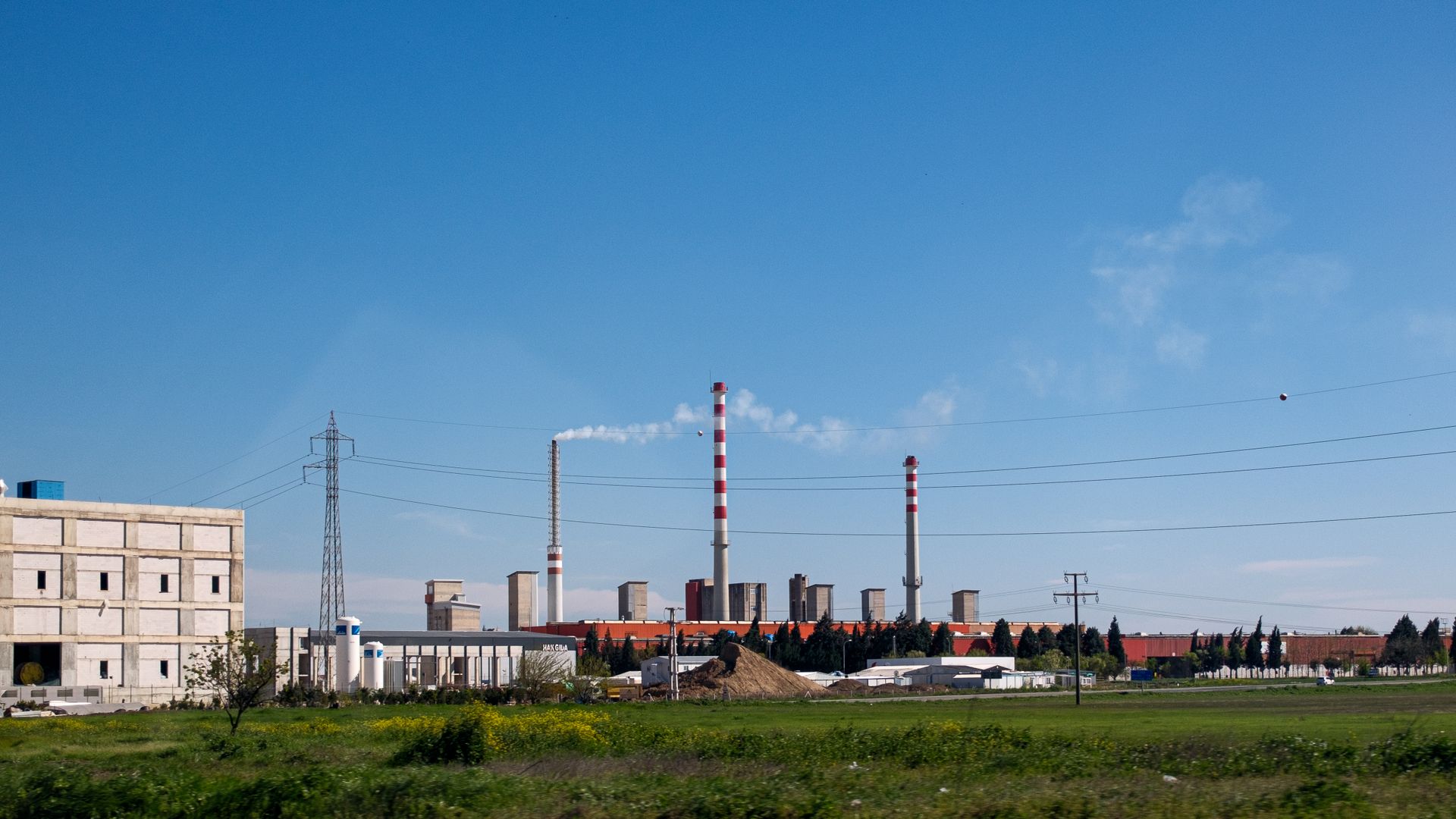
A large-scale data center Amazon is planning to build in Texas is drawing scrutiny after reports emerged that the company is investing in an on-site power plant to supply it with electricity. According to those reports, the plant could become the single largest source of climate pollution in the United States once operational.
This kind of "behind-the-meter" power generation is becoming an increasingly common approach among technology companies looking to reduce data centers' dependence on the public electricity grid. The computing power required to train and run AI models has grown far beyond what traditional data center needs once demanded.
The rapid growth of AI infrastructure has strained grid capacity in parts of the United States, pushing companies to invest in their own power sources to reduce the load they place on public utilities.
That approach, however, creates a significant environmental dilemma: off-grid private power plants can face less regulatory oversight and often rely on fossil fuels such as natural gas, which can raise carbon emissions.
Amazon has previously made commitments around carbon neutrality and renewable energy investment. The company has not yet provided a detailed response to questions about this specific project's environmental impact.
Energy policy experts say the energy demands of AI data centers are increasingly coming into conflict with efforts to meet climate targets, creating tension between the technology sector's pace of growth and its environmental commitments.
Local community groups and environmental organizations have raised concerns about the impact of large-scale projects like this one on air quality and surrounding communities, though the project has found support from some local officials who cite the significant economic investment and jobs it would bring to the region.
The development comes at a time when how major technology companies source energy for AI infrastructure is facing growing scrutiny from the public and from regulators.
The project's ultimate environmental impact will depend on which fuel types the plant uses and how much emissions-reduction technology is applied — details that have not yet been fully disclosed publicly.
Experts note that if similar projects proliferate across the United States, data center energy demand could become a significant strain on national climate goals.
Read next

What is A* pathfinding, and how do better heuristics speed it up?
A* is one of the most widely used algorithms for finding the shortest path, from video games to robotics. Newly refined "differential heuristics" help the algorithm rule out unpromising routes earlier, meaningfully improving its performance.

New Mexico judge orders Meta to fund $567M youth mental health program
A New Mexico judge has ruled that Meta's platforms constituted a "public nuisance" and ordered the company to fund a $567 million program addressing the youth mental health crisis. The ruling is seen as a significant precedent in the wider wave of lawsuits against social media companies.

How AI hurricane forecasting is buying meteorologists an extra day's warning
DeepMind's open-source WeatherNext model can produce surprisingly accurate forecasts even when fed lower-resolution weather data. The result is giving meteorologists an extra day's lead time on predicting a hurricane's path compared with traditional physics-based models.

Why do hacking groups get codenames? A cybersecurity explainer
Google recently overhauled how it assigns names to hacking groups. TechCrunch spoke with one of the world's foremost hacker-tracking experts to understand why security companies give threat actors codenames in the first place.

Why Microsoft Edge is about to lock out older ad blockers
Microsoft Edge is ending support for the Manifest V2 extensions platform, the same move Google Chrome made earlier this year, which will disable the uBlock Origin ad blocker and others like it. The impact on most users will be limited, but the shift is part of a broader transformation of the browser extension ecosystem.