How AI hurricane forecasting is buying meteorologists an extra day's warning
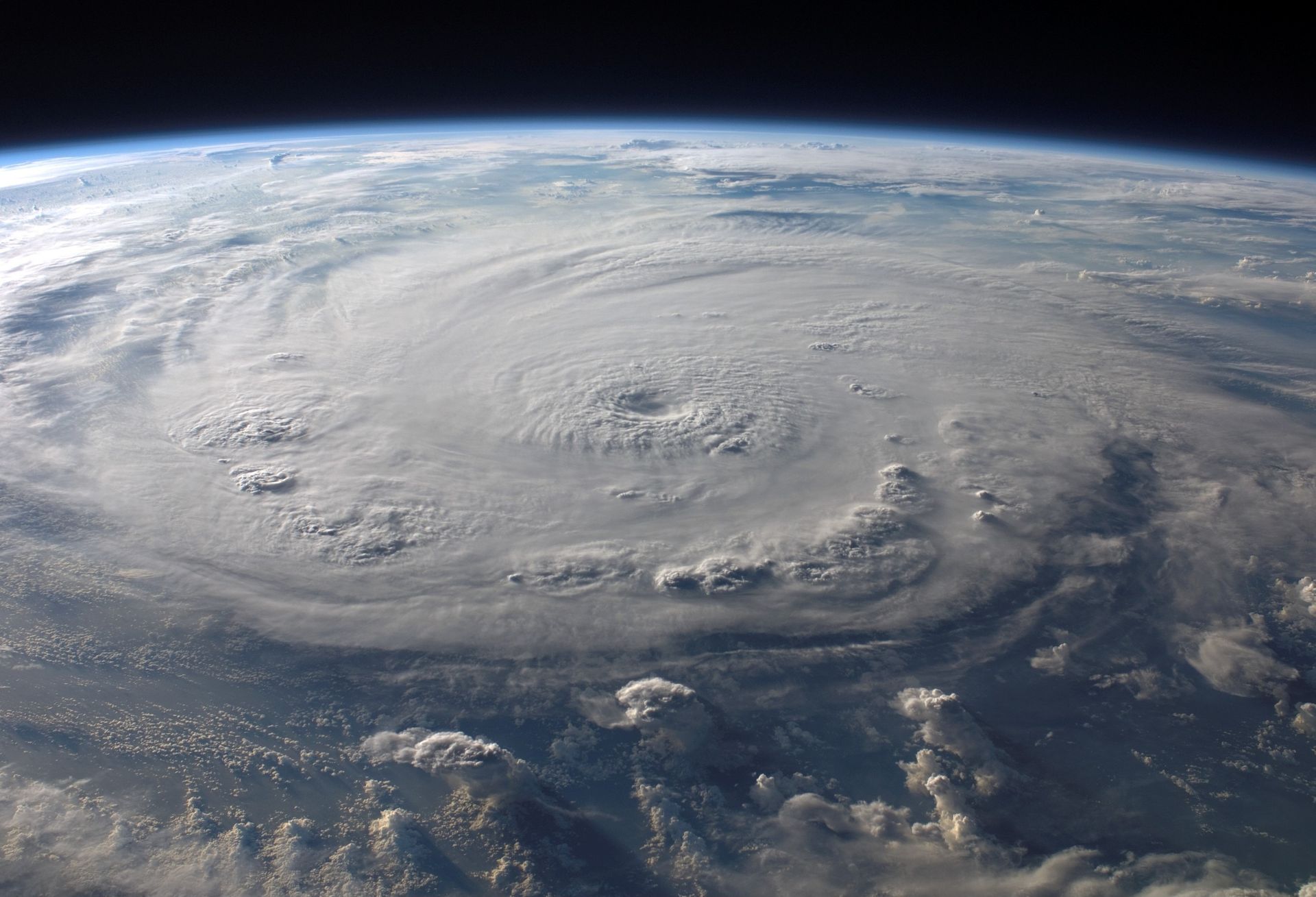
Hurricane forecasting has, for decades, relied on massive systems of physical equations that demand extremely high-resolution atmospheric data. Those models are powerful but computationally expensive, and their accuracy depends heavily on the quality of the input data feeding them.
Google DeepMind's WeatherNext model promises to change that equation. Rather than relying on traditional physics-based simulation, it uses a neural network trained on historical weather data to generate forecasts directly.
The model's most striking feature is that it can produce surprisingly accurate results even when run on lower-resolution input data. That suggests WeatherNext is considerably more resilient to incomplete or sparse data than conventional physical models tend to be.
For meteorologists, the practical implication is significant: in predicting hurricane paths, WeatherNext is reported to provide roughly a full extra day of warning time compared with traditional forecasting methods.
Each additional day gained in a hurricane forecast can be critical for coastal evacuation planning, emergency resource allocation, and the timing of public warnings.
The fact that the model has been released as open source is also significant: it allows national weather agencies around the world to integrate it into their own forecasting systems and to independently verify its performance.
Experts say AI-based weather models are more likely to work as a complementary layer alongside traditional physical models than to fully replace them, with the two approaches combined often producing the most reliable results.
The computing power required to train these models is considerably lower than that needed for traditional simulations, making them especially attractive to weather agencies in countries with more limited computational resources.
As climate change increases the intensity and unpredictability of hurricanes, every improvement in forecast accuracy is directly linked to reducing loss of life and property.
Researchers say future versions of WeatherNext are targeting even higher-resolution forecasts and longer lead times, though they stress the model still needs broader testing across real-world hurricane seasons.
Read next
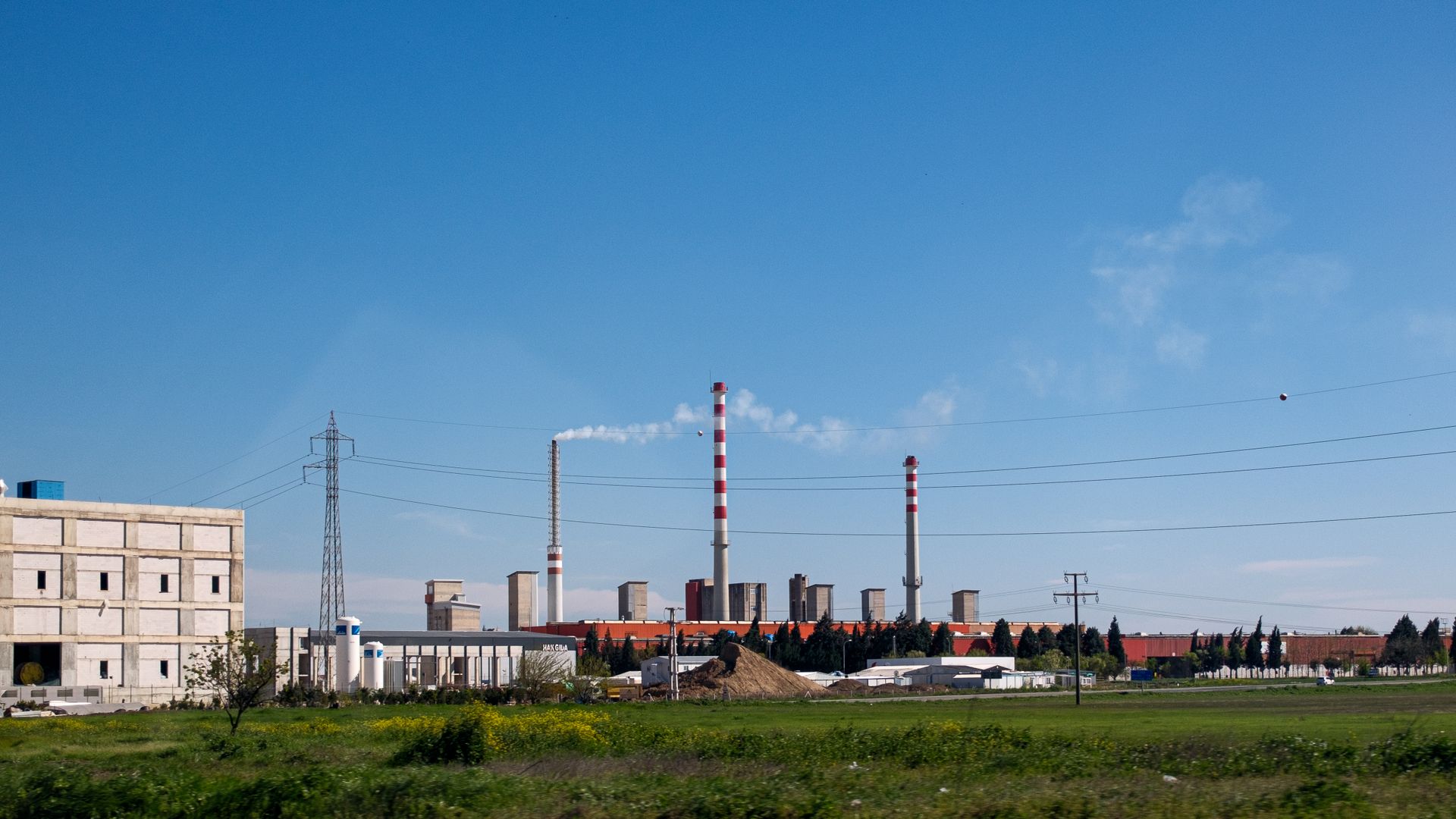
Planned Amazon data center could become the biggest climate polluter in the U.S.
As part of a planned Texas data center, Amazon is investing in an on-site power plant that could reportedly become the single largest source of climate pollution in the United States. The development highlights growing concern over the energy demands of AI infrastructure.

What is A* pathfinding, and how do better heuristics speed it up?
A* is one of the most widely used algorithms for finding the shortest path, from video games to robotics. Newly refined "differential heuristics" help the algorithm rule out unpromising routes earlier, meaningfully improving its performance.

New Mexico judge orders Meta to fund $567M youth mental health program
A New Mexico judge has ruled that Meta's platforms constituted a "public nuisance" and ordered the company to fund a $567 million program addressing the youth mental health crisis. The ruling is seen as a significant precedent in the wider wave of lawsuits against social media companies.
Why do hacking groups get codenames? A cybersecurity explainer
Google recently overhauled how it assigns names to hacking groups. TechCrunch spoke with one of the world's foremost hacker-tracking experts to understand why security companies give threat actors codenames in the first place.

Why Microsoft Edge is about to lock out older ad blockers
Microsoft Edge is ending support for the Manifest V2 extensions platform, the same move Google Chrome made earlier this year, which will disable the uBlock Origin ad blocker and others like it. The impact on most users will be limited, but the shift is part of a broader transformation of the browser extension ecosystem.