The worst hacks and data breaches of 2026 so far, mapped by TechCrunch

TechCrunch has compiled the largest data breaches and cyberattacks of the first half of 2026. The list shows that even within the first six months of the year, the personal data of millions of users has been exposed, critical infrastructure has been temporarily knocked offline, and ransomware attacks have brought major companies to an operational halt. The list confirms a trend that has been accelerating for years: cybersecurity is no longer a marginal IT topic but a top item on corporate board agendas.
One of the events the report highlights is a breach at a large US health insurer. According to TechCrunch, the health, financial and personal identifying information of millions of customers fell into attackers' hands. The company has had to offer free credit-monitoring services to affected users to limit follow-on identity theft. The case shows that the healthcare sector continues to be targeted as a high-value source of data.
Another prominent event was an attack on the payment system of a major retail chain. TechCrunch writes that the attack disrupted card payments for days and caused a loss far larger than the company's marketing budget. Technical analysis of the attack points to a vulnerability in third-party supplier software. That is the retail sector's long-known weak link: not the company's own systems but its smaller suppliers.
Government agencies took their share of the list. According to TechCrunch, tax and population-registry agencies in more than one country were hit. In some cases, stolen data has already begun showing up in phishing campaigns or tax fraud. These events suggest that public-sector security infrastructure continues to lag the private sector, with budget constraints and legacy systems forming the main obstacles to modernisation.
Ransomware attacks particularly targeted manufacturing in the first half of the year. In incidents reported by TechCrunch, large automotive and chemical companies had to stop production lines for weeks. The economic impact spreads beyond the affected companies; supply chain ripples mean customer firms also take losses. Ransom demands themselves, the reporting notes, have grown visibly larger in recent years.
The crypto sector is traditionally one of the leading targets of cyberattacks. TechCrunch reports that multiple major exchanges and wallet services were hit in the first half of 2026. In some incidents, attackers exploited vulnerabilities in smart contracts to transfer hundreds of millions of dollars in assets. Recovery prospects remained limited because the funds were rapidly mixed across different chains.
Artificial intelligence systems are also creating a new attack surface. TechCrunch covered cases in which corporate AI assistants leaked sensitive data through "prompt injection" attacks. An attacker can embed malicious instructions in an innocent-looking email sent to the assistant, prompting it to read information from the company's files. These cases illustrate why defences such as OpenAI's recently announced "Lockdown Mode" are needed.
Supply chain attacks make up an important part of the list. TechCrunch reports that malicious code concealed in a popular developer tool spread to the development environments of tens of thousands of companies. Such attacks compromise one software library and cascade into thousands of applications. Efforts to secure the open-source ecosystem are back in focus after these incidents.
In terms of corporate readiness, the picture TechCrunch presents is mixed. Some firms, having invested heavily in zero-trust architectures in recent years, were able to detect attacks quickly and limit their impact. Others still operate with legacy architectures in which it can take weeks even to notice an incident has occurred. That gap explains why cybersecurity budgets are being revisited. Management-consulting reports forecast global cybersecurity spending to grow at double-digit rates over the next year or two.
The broader message of TechCrunch's mid-year compilation is that cyber threats are growing in both scale and variety. Insurance, retail, government, crypto, AI and supply chain — the first half of the year shows once again that no sector is untouchable. For companies and governments, the practical question is no longer whether attacks can be prevented but how quickly they can be detected and how rapidly their impact can be contained. TechCrunch's mid-year balance sheet shows that the answer still varies widely between organisations.
Read next

Some ancient microbes frozen with Ötzi the Iceman are still growing, study finds
Ars Technica reports on new research showing that some ancient bacteria and yeast strains found on the mummy of Ötzi the Iceman, a 5,300-year-old body recovered in the Alps, are still alive and growing. The finding opens a new door for ancient microbiome research.
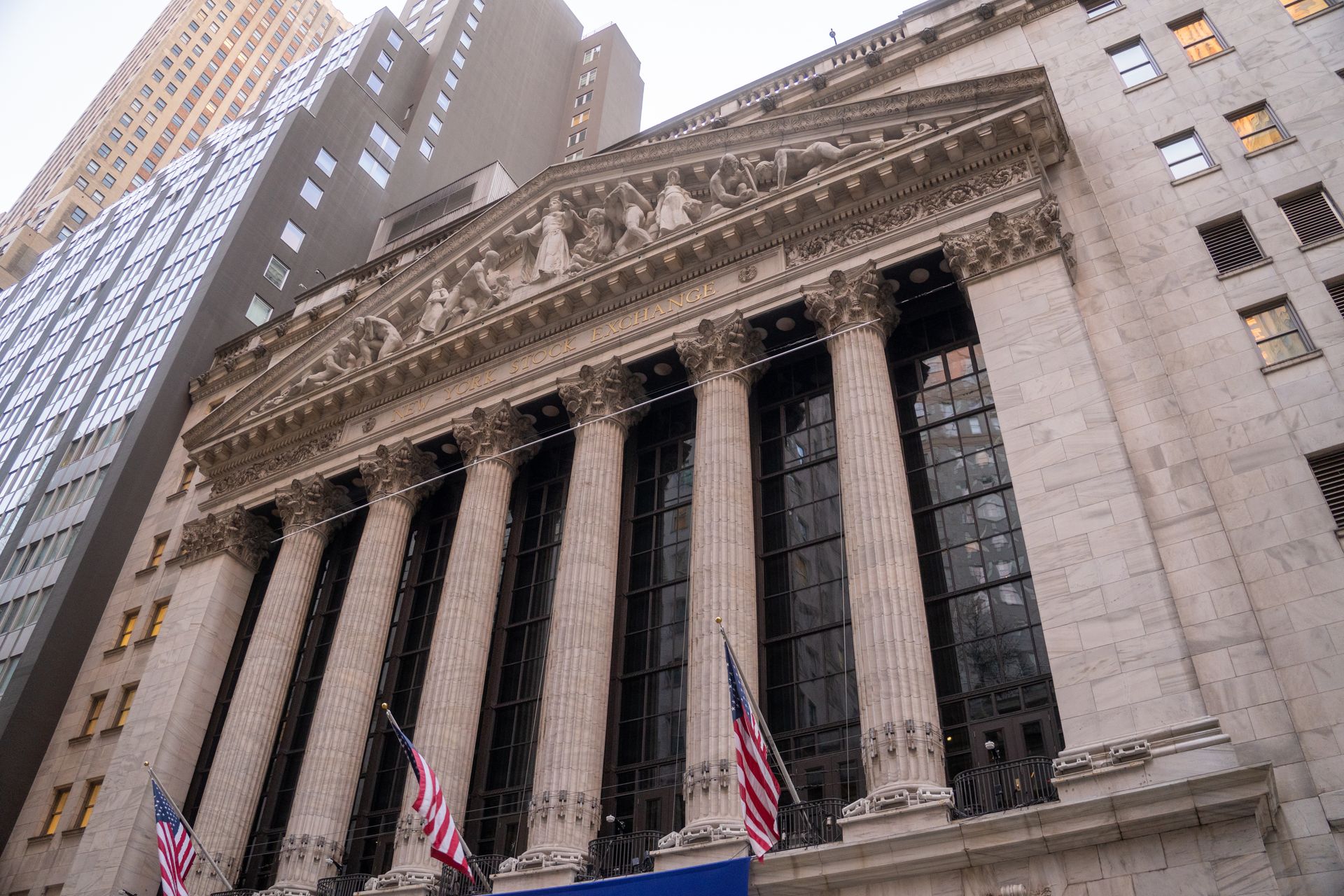
S&P 500 rejects SpaceX, also blocking entry for OpenAI and Anthropic
Ars Technica reports that the S&P 500 committee has rejected a fast-tracked entry for SpaceX and signalled it will not waive its profitability rules for unprofitable AI firms. The decision also postpones potential inclusion of OpenAI and Anthropic.

NASA will wear high-tech Prada "long johns" on the Moon, Verge reports
The Verge reports that NASA's new Artemis Moon spacesuit, developed with Axiom Space, will use a sub-layer designed by fashion house Prada. The high-tech fabric is intended to improve thermal regulation and freedom of movement on the lunar surface.

Trump administration weighs taking equity stake in OpenAI, TechCrunch reports
TechCrunch reports that the Trump administration is considering taking a government equity stake in artificial intelligence company OpenAI. Such a move would raise political and legal questions about the United States' relationship with major technology firms.

Congress still can't decide what to do about warrantless surveillance under Section 702
A Senate vote on a Section 702 reform package failed. According to The Verge, an amendment introduced by Republican Senator Bill Pulte that would have required a warrant fell 47-51. The surveillance authority is set to expire in December.
