S&P 500 rejects SpaceX, also blocking entry for OpenAI and Anthropic
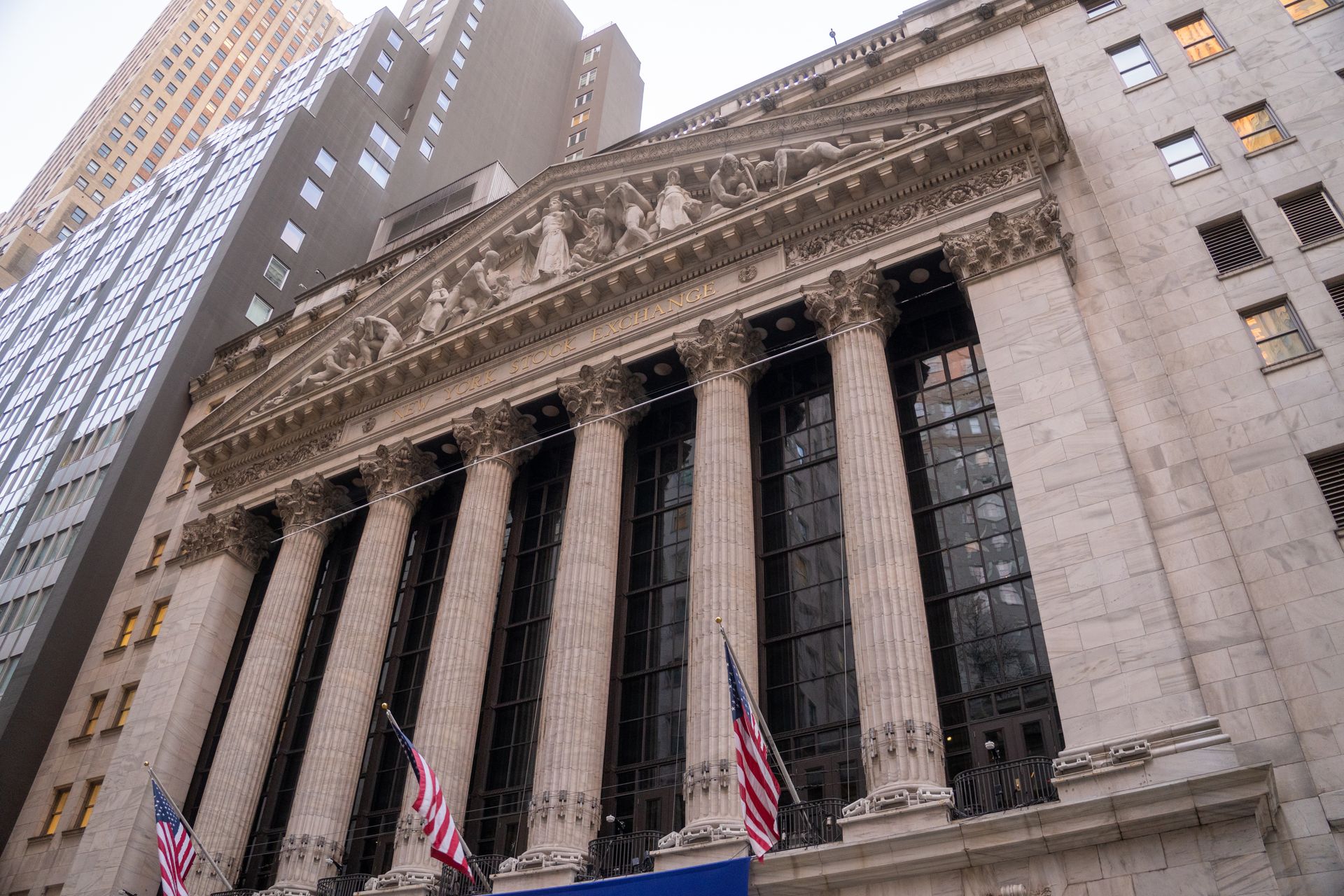
The S&P 500 is the most closely watched stock market index in the world, tracking the 500 largest US companies. According to Ars Technica, the index's management committee has rejected SpaceX's request for fast-tracked inclusion and indicated that it will not waive its existing rules for unprofitable AI firms. The decision affects SpaceX in the short term but also postpones potential index entry for major AI firms like OpenAI and Anthropic.
Ars Technica explains that the S&P Dow Jones Indices committee applies specific criteria for inclusion: sufficient market capitalisation, reasonable liquidity, and reporting net profits over the last four quarters. SpaceX comfortably meets the first two criteria but falls short on profitability; despite revenues from launches and Starlink satellite internet, the company is still not reporting profits due to large-scale investment. The committee said the profit requirement was "not up for debate".
The symbolic importance of the decision is significant. SpaceX is one of the few companies that has remained privately held while reaching the scale of a publicly traded giant. Its market value is estimated in the hundreds of billions of dollars, but because it is not publicly traded, that figure is based only on private market pricing. Ars Technica writes that the S&P 500's leadership was influenced by the worry that making an exception for SpaceX would open the same path for other large private firms in the future.
The importance of the decision for AI companies is immediately clear. OpenAI and Anthropic are among the world's fastest-growing companies of the past two years; their revenues are measured in billions of dollars, but neither has yet reached profitability. According to Ars Technica's sources, entry into the index for these companies would mean automatic access to their shares by traditional investment funds and pension funds. The S&P 500 decision pushes back that automatic access by at least a few more years.
Other index families could fill the gap left by the decision. Ars Technica reminds readers that alternative index providers such as MSCI and FTSE Russell set their inclusion criteria differently. Some thematic indices could include SpaceX, OpenAI or Anthropic without applying a profitability requirement. However, the scale and historical weight of the S&P 500 are difficult for any other index to replace.
The debate over AI company inclusion is being compared with the dot-com era. Ars Technica writes that the major losses that followed the inclusion of Yahoo and other unprofitable internet firms in the 1999-2000 period are still in the S&P committee's institutional memory. The decisions made then are remembered for causing significant losses for investors in passive index funds. The committee is acting more cautiously in order not to repeat a similar scenario.
SpaceX leadership, for its part, maintains the message that there is "no near-term IPO plan". Recent statements by company president Gwynne Shotwell suggest that an IPO could be considered only after Starship has landed on Mars. That means traditional financial markets will have to track SpaceX through structures outside the S&P 500 in the short term.
OpenAI's IPO plans are less clear. According to Ars Technica, the company's recent restructuring does not technically rule out an IPO, but management has not yet announced a clear roadmap. Anthropic has said in closed-door investor briefings that it "prefers to remain out of public markets in the medium term". Neither company is suffering a cash crunch thanks to investment rounds from big-tech backers.
The practical meaning of the decision for investors is that the door to the major players in the AI market remains closed for passive index funds. Ars Technica writes that this situation gives actively managed funds a stronger rationale to invest in the AI sector. Risk-adjusted return gaps may become an important part of investment strategy for these positions in the future.
The broader message, as Ars Technica frames it, is that the S&P 500 is not relaxing its rules and that future economic categories are not automatically being normalised across the market through index inclusion. SpaceX, OpenAI and Anthropic, despite their rapid growth dynamics, face a financial landscape where more cautious rules are being preserved. The next step depends on whether these AI and space companies begin to report profits.
Read next

Some ancient microbes frozen with Ötzi the Iceman are still growing, study finds
Ars Technica reports on new research showing that some ancient bacteria and yeast strains found on the mummy of Ötzi the Iceman, a 5,300-year-old body recovered in the Alps, are still alive and growing. The finding opens a new door for ancient microbiome research.

NASA will wear high-tech Prada "long johns" on the Moon, Verge reports
The Verge reports that NASA's new Artemis Moon spacesuit, developed with Axiom Space, will use a sub-layer designed by fashion house Prada. The high-tech fabric is intended to improve thermal regulation and freedom of movement on the lunar surface.
The worst hacks and data breaches of 2026 so far, mapped by TechCrunch
TechCrunch has compiled the largest data breaches and cyberattacks of the first half of 2026. Insurers, retailers and government agencies are among the most affected sectors.

Trump administration weighs taking equity stake in OpenAI, TechCrunch reports
TechCrunch reports that the Trump administration is considering taking a government equity stake in artificial intelligence company OpenAI. Such a move would raise political and legal questions about the United States' relationship with major technology firms.

Congress still can't decide what to do about warrantless surveillance under Section 702
A Senate vote on a Section 702 reform package failed. According to The Verge, an amendment introduced by Republican Senator Bill Pulte that would have required a warrant fell 47-51. The surveillance authority is set to expire in December.
