European Parliament approves tighter steel import quotas and higher tariffs
The European Parliament has approved measures that reduce steel import quotas and raise customs tariffs in order to protect the steel sector in EU member states. The legislation aims to give European producers breathing room amid global competition pressure and overcapacity concerns.

The European Parliament has approved measures aimed at protecting the steel sector in EU countries by reducing import quotas and raising customs duties. The package is designed to create a shield against cheap imported steel that has been pressuring prices on global markets.
Commission officials said the sector has faced severe margin pressure over the past three years from global overcapacity and high energy costs. The legislation also aligns with the EU's Green Deal targets by linking protective measures to a planned shift toward low-carbon steel production. Major producers in Germany, Italy and Spain are expected to benefit most from the changes.
The decision carries potential trade tensions with major steel exporters such as China and Turkey. The Turkish Steel Producers' Association said it will assess the impact of the new quotas on export volumes. The European Commission said the measures comply with World Trade Organization rules and are designed as temporary safeguards.
More from Europe

UK waters down new Russian oil sanctions as fuel prices rise
The UK government has scaled back a new sanctions package targeting Russia's oil revenues, citing consumer pressure from rising fuel prices linked to the Iran war. Exceptions to the oil price cap mechanism have been widened.

Turkish Defence Ministry announces mobilisation drill to test plans and procedures
Turkey's Defence Ministry said it will run a nationwide mobilisation drill to test plans and procedures. The exercise aims to strengthen interagency coordination and assess operational readiness, the ministry said.
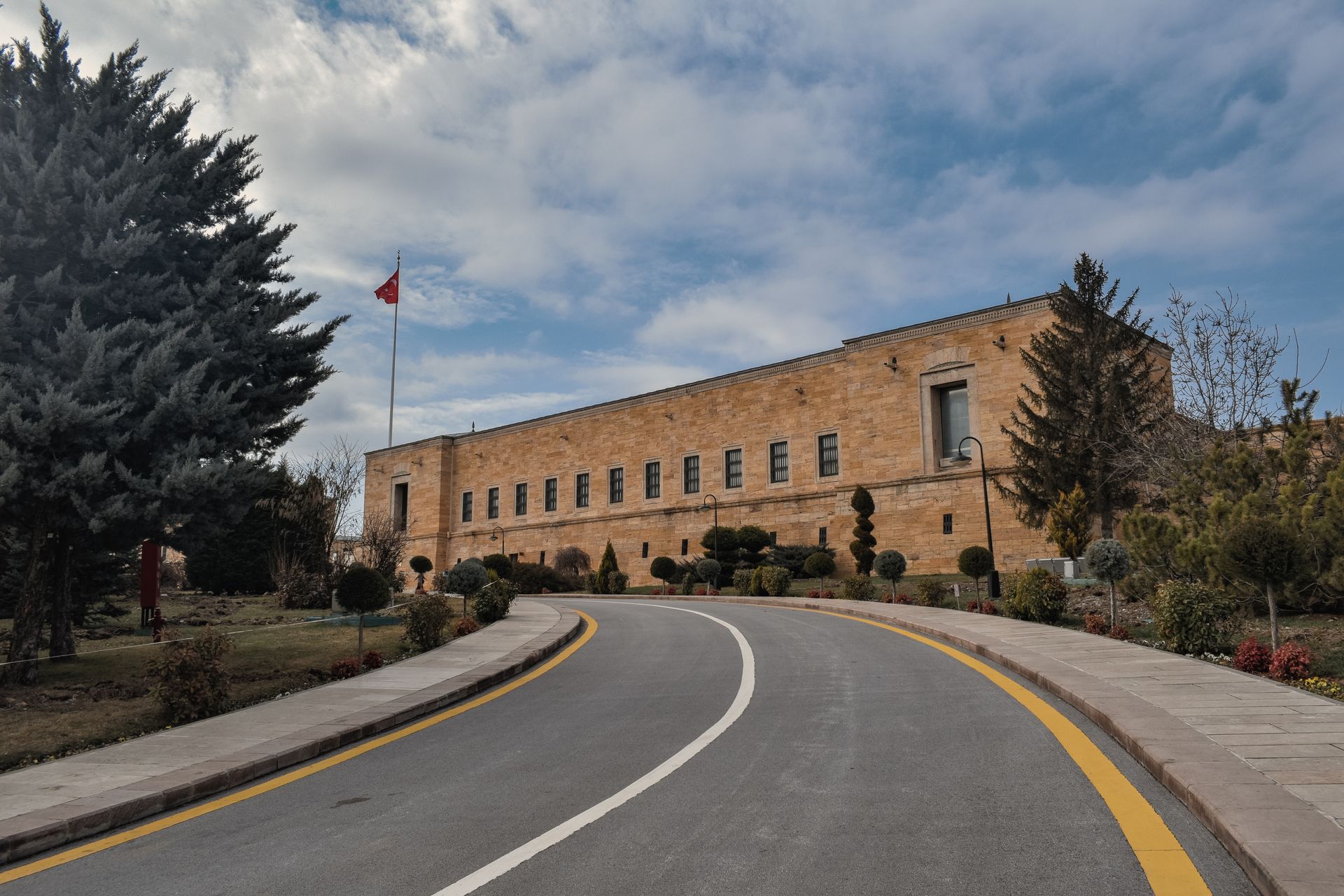
NATO Deputy Secretary General Shekerinska calls Türkiye an invaluable ally
NATO Deputy Secretary General Radmila Shekerinska described Türkiye as an "invaluable ally" for the alliance during her contacts in Ankara. She emphasised the importance of Türkiye's deterrence contribution on the southern flank and its defence industry capacity.