Seven killed in Israeli strikes on Lebanon as US-hosted ceasefire talks continue into a second day
Lebanon's Health Ministry said at least seven people were killed in fresh Israeli strikes on the country's south. The attacks came on the second day of direct ceasefire talks between Israeli and Lebanese delegations in Washington. The UN mission UNIFIL renewed its call for the violations to stop.

Lebanon's Health Ministry said at least seven people were killed in Israeli strikes on several villages and positions in the country's south. Children were among the wounded. The strikes coincided with the second day of direct ceasefire talks between Israeli and Lebanese delegations being held in Washington with US facilitation.
According to people close to the US State Department, the talks are covering the line-of-demarcation arrangement, the future configuration of the UN-flagged UNIFIL mission and the pullback of certain military assets. The Lebanese delegation said the latest strikes are weakening the basis for the talks. The Israeli side said the targets were 'active threat assets' and that the country's commitment to the process continues.
UNIFIL renewed its call for the violations to stop and stressed that the independence of observer teams on the ground must be protected. Hezbollah's grassroots support in the south remains strong, and recent BBC reporting from the area has shown that the existing ceasefire is not being applied comprehensively. The talks are expected to be extended into a third session on Monday.
More from Middle East
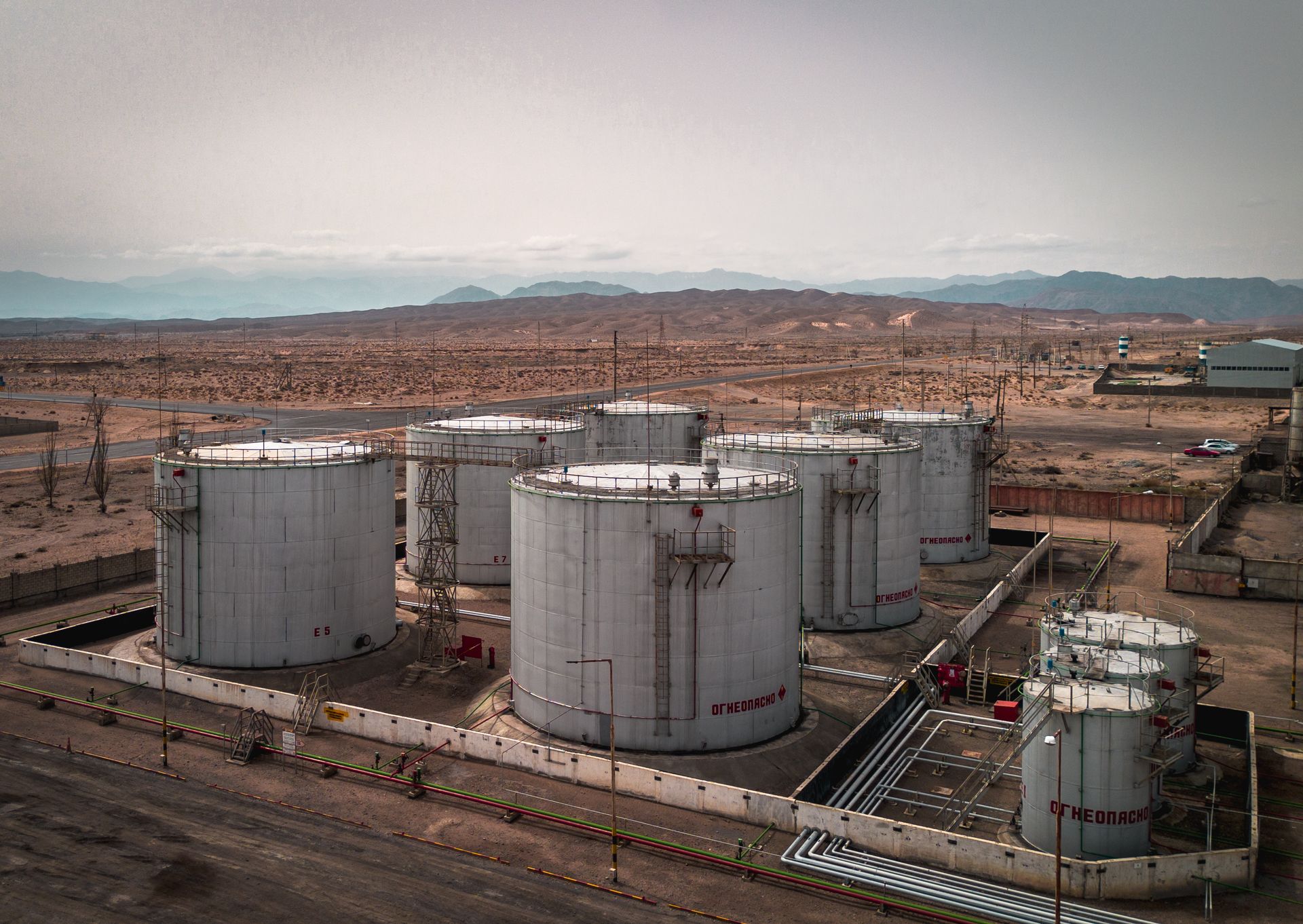
UAE accelerates pipeline project to ship oil around the Strait of Hormuz instead of through it
The United Arab Emirates is bringing forward construction on a pipeline project that would route its crude oil exports around the Strait of Hormuz instead of through it. ADNOC said the expansion of the Habshan-Fujairah corridor will be accelerated for the duration of the Iran war. The move puts the fragility of global oil supply routes back at the centre of the conversation.

Al Jazeera: West Bank Bedouin displacement enters its third year of upheaval
An Al Jazeera field investigation reports that Palestinian Bedouin communities in the West Bank have been facing displacement pressure and violent incidents for the past three years. Most of the communities have been forced into tent areas and temporary settlements.

Bowen: Strait of Hormuz standoff raises risk of sliding back into all-out war
BBC correspondent Jeremy Bowen warns that the US and Iran's mutual pressure in the Strait of Hormuz has put the fragile ceasefire at serious jeopardy, risking a return to full-scale conflict.