Magnitude 6 earthquake jolts Hawaii's Big Island; USGS monitors Kilauea volcano
A magnitude 6 earthquake struck Hawaii's Big Island, with the USGS assessing impact on the active Kilauea volcano. Initial reports of structural damage came from Hilo and Kona districts. The Pacific Tsunami Warning Center did not issue a tsunami advisory.
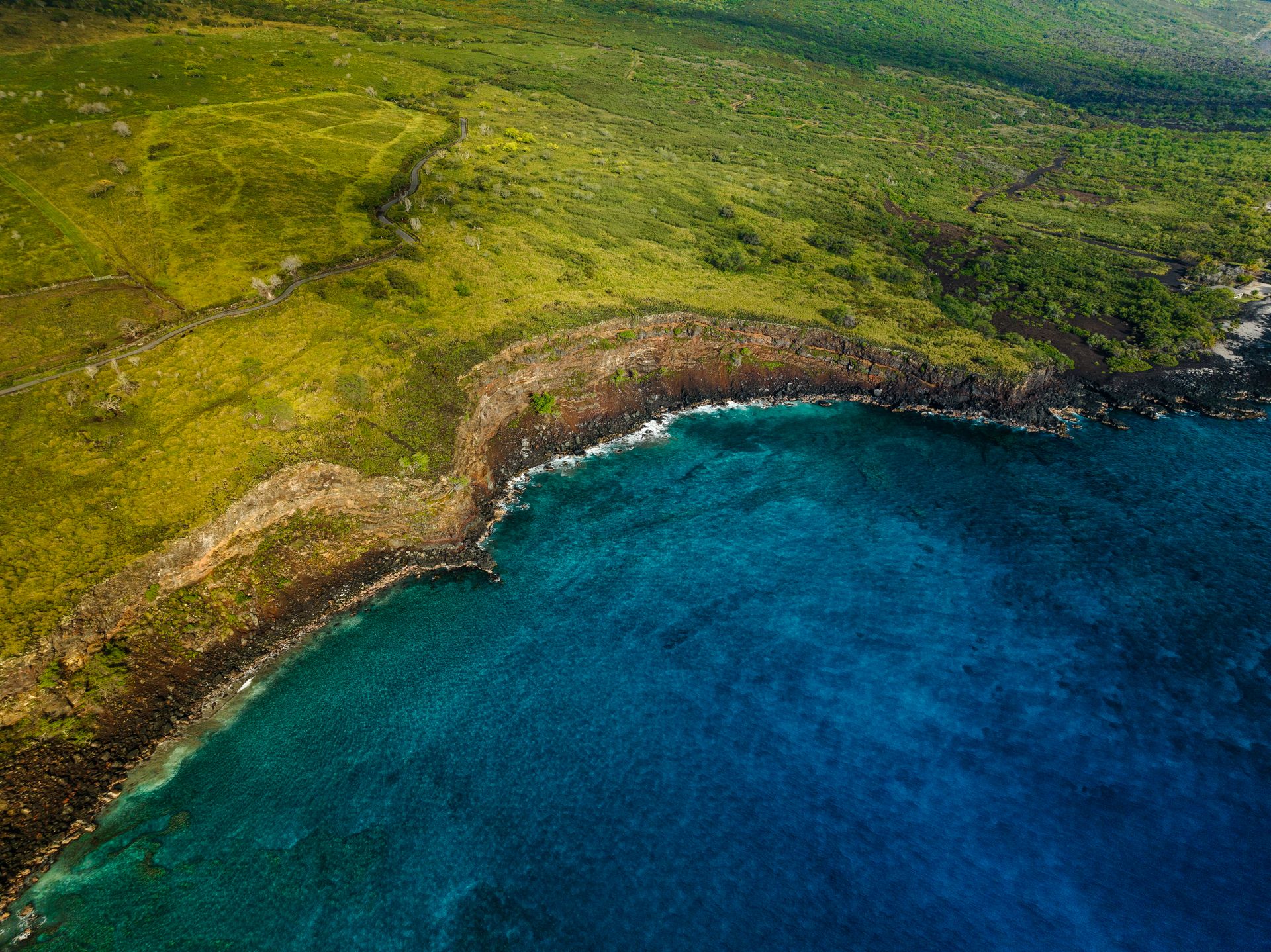
A shallow magnitude 6 earthquake struck Hawaii's Big Island in the early morning local time. The US Geological Survey (USGS) located the epicentre about 18 kilometres southeast of the Kilauea volcanic complex and has deployed additional monitoring stations to assess any impact on volcanic activity given the proximity to the active caldera.
Ken Hon, scientist-in-charge at the USGS Hawaiian Volcano Observatory, said in an initial statement that 'we have observed instantaneous changes in magma chamber pressure, but no significant increase in surface eruption risk has been detected so far'. Hilo and Kona county authorities reported limited damage from cracks in local infrastructure and falling objects. The Pacific Tsunami Warning Center confirmed the earthquake was not of a magnitude likely to trigger a tsunami.
Hawaii Lieutenant Governor Sylvia Luke said state emergency response teams were reviewing evacuation protocols around the Kilauea visitor centre. Volcanic activity monitoring data over the next 72 hours will be critical; tourism revenue accounts for roughly 21 per cent of the state's USD 18.2 billion annual economy, making any extended visitor-access restrictions consequential.
More from North America

Zoom secures $1B return on 2023 Anthropic investment before new round
Zoom Communications said it has secured roughly $1 billion in cash returns through secondary share sales on its $150 million Anthropic stake from 2023. Anthropic's valuation is hovering near $900 billion ahead of an expected $30 billion funding round, and Zoom shares jumped 6.8% at the open.
UAE says OPEC exit was a strategic economic move, not political
The United Arab Emirates said its decision to leave OPEC was a strategic economic choice rather than a political one. Officials told CNBC the move lets the country deploy spare production capacity freely and align output with its energy diversification plans.

Iran's top negotiator says Tehran will not compromise in US talks
Iran's top negotiator Abbas Araghchi said Tehran 'will not compromise on essential matters' in indirect talks with the United States and described the negotiations as at 'a very delicate stage.' White House spokesperson Karoline Leavitt confirmed 'significant distance' remained between the sides as Brent crude climbed from $99.80 back above $102 per barrel.