Trump pauses Hormuz plan 50 hours after he announced it - what happened?
BBC's Middle East team reports Trump paused his 'Project Freedom' plan to escort tankers through Hormuz just 50 hours after announcing it, citing the need to consult Gulf allies.

Donald Trump paused his 'Project Freedom' plan to escort commercial tankers through the Strait of Hormuz only 50 hours after announcing it, BBC's Middle East team reports. The original proposal would have used US Navy destroyers and air cover to shepherd convoys through the strait, where Iranian fast-attack boats have harassed shipping. By Sunday evening, White House officials told reporters the plan had been 'temporarily suspended' pending consultation with Gulf allies.
Several Gulf governments quietly objected that the proposal had not been coordinated with regional naval forces, according to BBC sources. Saudi Arabia and the UAE, both of which run their own Hormuz patrols, feared the US plan could be read as a unilateral escalation. European officials also raised concerns about insurance complications. Pentagon planners said the pause would allow time to brief allied commands ahead of any redeployment.
The episode lays bare the difficulty of designing a multilateral response to Iranian harassment in the strait. Trump told reporters the pause did not signal a softening of his stance on Iran, repeating that he had rejected Tehran's latest counteroffer. Analysts said the back-and-forth could give Iran a tactical opening if shipping disruptions worsen before allied alignment is achieved.
More from Middle East

Gulf economies face long-term hit from Iran conflict
An Institute of International Finance analysis cited by BBC projects Gulf real GDP growth could lose 1.2 to 2 percentage points over three years from disrupted shipping, deferred projects and higher insurance costs.

Fears of renewed Gaza war as Hamas disarmament talks stall
BBC reports that talks on the timetable for Hamas disarmament have stalled, raising fears of a renewed war in Gaza. Mediators Egypt and Qatar are working on a new proposal formula. Humanitarian organisations are weighing measures against the rising risk.
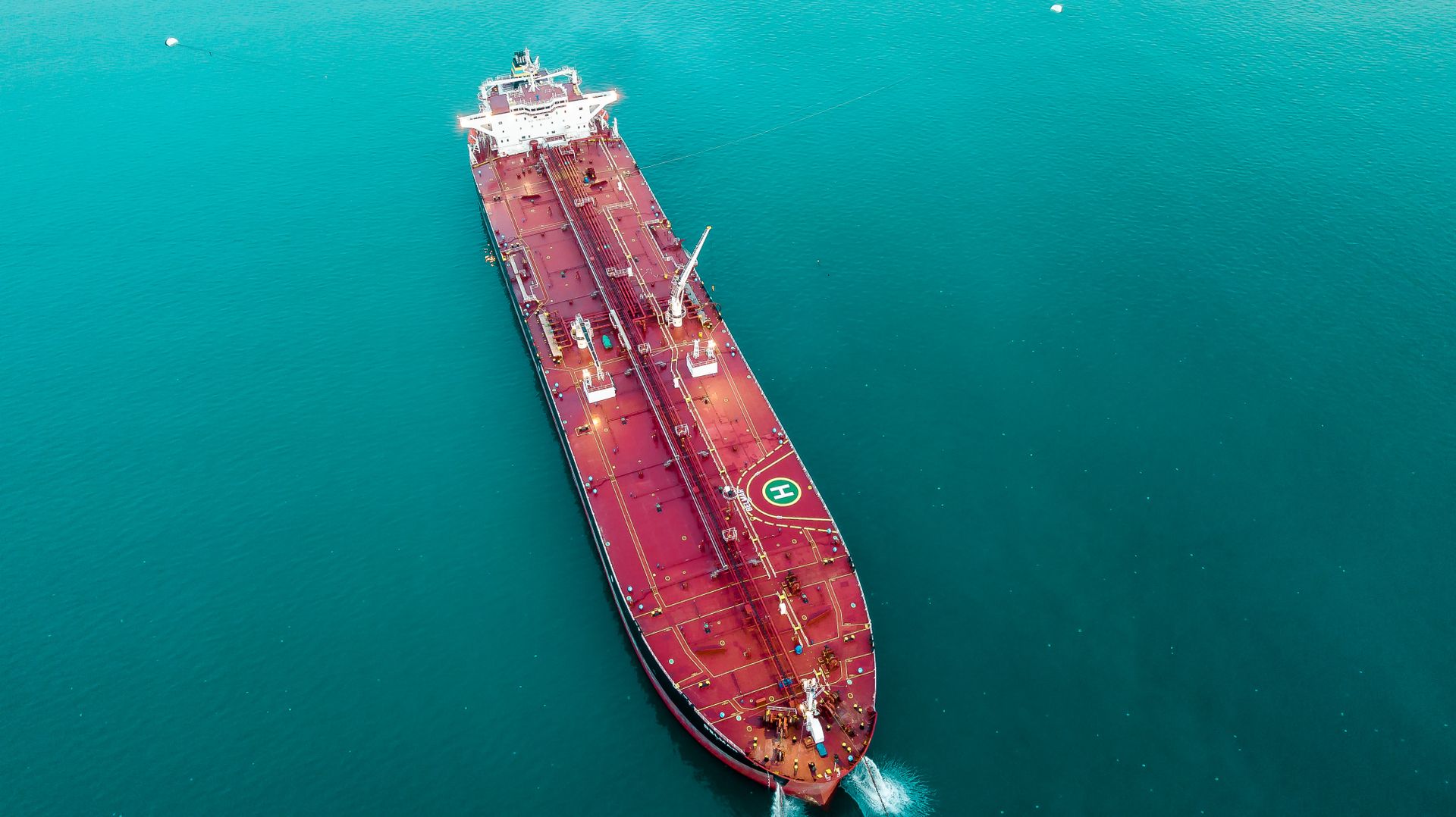
Bowen: Strait of Hormuz standoff raises risk of sliding back into all-out war
BBC correspondent Jeremy Bowen warns that the US and Iran's mutual pressure in the Strait of Hormuz has put the fragile ceasefire at serious jeopardy, risking a return to full-scale conflict.