Gulf economies face long-term hit from Iran conflict
An Institute of International Finance analysis cited by BBC projects Gulf real GDP growth could lose 1.2 to 2 percentage points over three years from disrupted shipping, deferred projects and higher insurance costs.

Persian Gulf economies will face a sustained drag on growth even if the Iran war ends in the coming weeks, an Institute of International Finance analysis cited by BBC concludes. The report estimates real GDP growth across the six Gulf Cooperation Council states could be 1.2 to 2 percentage points lower over the next three years because of disrupted shipping, deferred mega-projects and elevated insurance costs.
The Strait of Hormuz, through which roughly a fifth of seaborne oil moves, has seen daily tanker traffic fall about 25% since the conflict escalated, while Lloyd's of London has classified the region as 'high-additional-risk' for insurers. Saudi Arabia's Public Investment Fund and the UAE's Mubadala have paused several non-essential project decisions, BBC reported, while Qatar and Oman have continued LNG and copper investments respectively.
The IIF cautioned that GCC sovereign borrowing costs could climb if the conflict drags on past summer, particularly for Bahrain and Oman. Saudi Arabia retains a strong fiscal buffer and may absorb the shock more easily, but its Vision 2030 spending plan now faces tougher prioritisation. Oil prices remain a wild card: another spike could offset some of the growth hit through higher hydrocarbon receipts.
More from Middle East

Trump pauses Hormuz plan 50 hours after he announced it - what happened?
BBC's Middle East team reports Trump paused his 'Project Freedom' plan to escort tankers through Hormuz just 50 hours after announcing it, citing the need to consult Gulf allies.

Fears of renewed Gaza war as Hamas disarmament talks stall
BBC reports that talks on the timetable for Hamas disarmament have stalled, raising fears of a renewed war in Gaza. Mediators Egypt and Qatar are working on a new proposal formula. Humanitarian organisations are weighing measures against the rising risk.
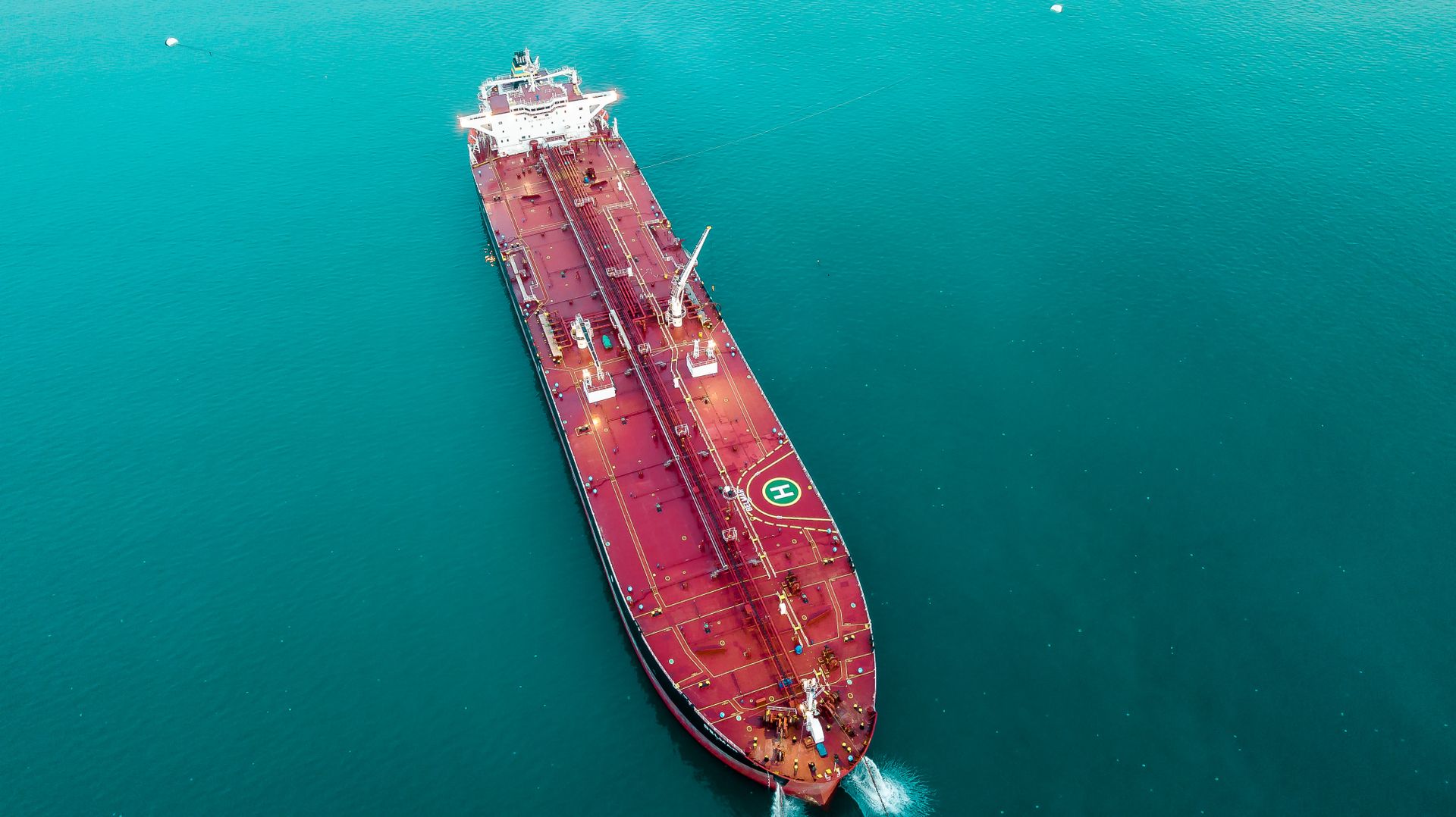
Bowen: Strait of Hormuz standoff raises risk of sliding back into all-out war
BBC correspondent Jeremy Bowen warns that the US and Iran's mutual pressure in the Strait of Hormuz has put the fragile ceasefire at serious jeopardy, risking a return to full-scale conflict.