New Zealand retail activity rose in the March quarter
Stats New Zealand data showed retail activity rose 0.8% in the March quarter from the previous quarter. Higher fuel prices supported the headline figure, while food and clothing spending remained subdued. The data is considered a key signal ahead of the RBNZ's July rate meeting.
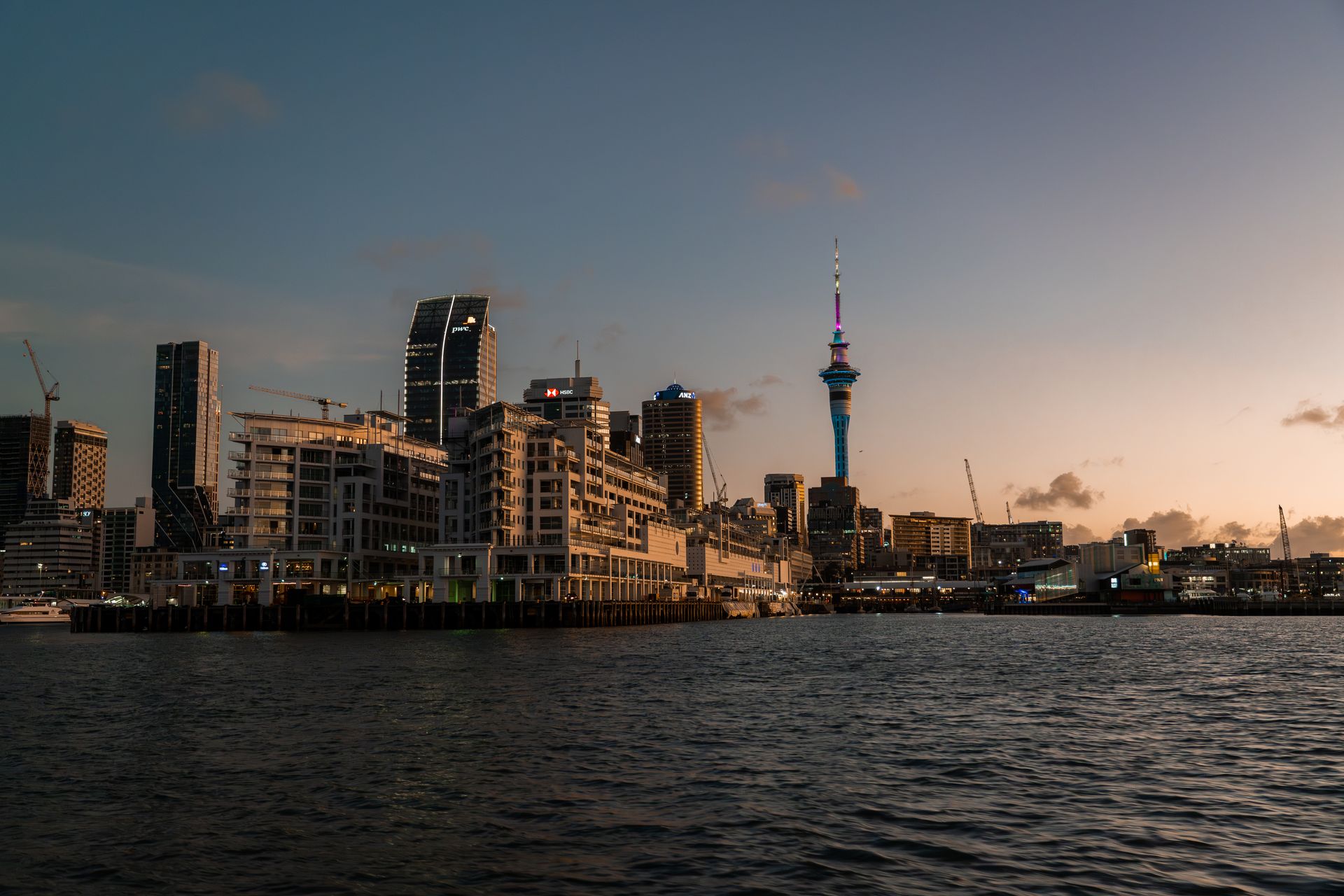
The report published by Stats NZ showed that the core retail volume also rose 0.3% in the same period. Automotive fuel sales were up 4.2% and motor vehicle accessories rose 2.1%. By contrast, food and beverage sales contracted 0.4%, while clothing and footwear grew just 0.1%.
ANZ Bank chief economist Sharon Zollner said the data 'shows underlying demand is still weak and the headline is being carried by fuel prices'. She added that for a stronger recovery in the second half of the year, signals from the labour market would also need to improve.
The RBNZ cash rate is currently 3.75%. Market swap pricing gives a 60% probability of a 25-basis-point cut at the July meeting. After the data, that expectation slipped to 55%. The equity market reacted in a neutral way; the NZX 50 index closed the session up 0.2%.
More from Australia-Pacific

Air NZ boss defends new routes amid reduced services elsewhere
Air New Zealand CEO Greg Foran responded to criticism over three new international routes from Christchurch to Singapore, Tokyo and Perth. Foran said the cuts to Wellington and regional flights stem from Iran-war-driven fuel prices.
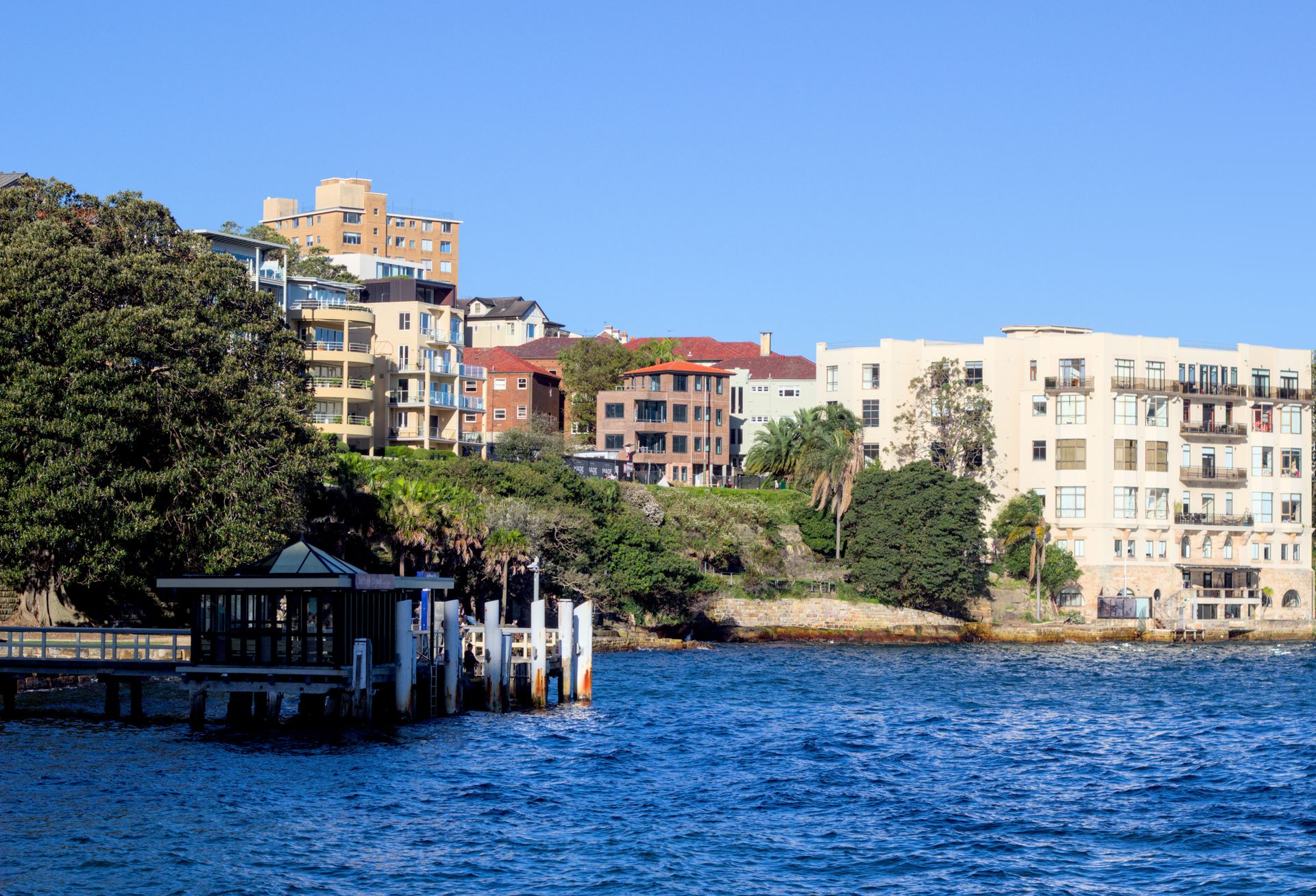
Aspiration has changed since the Howard era. This budget is finally catching up
Treasurer Jim Chalmers's 2026-27 budget proposes a sweeping reorientation of housing, childcare and education incentives. According to ABC analysis, the budget breaks with the middle-class identity of the John Howard era and refocuses on a younger generation of renting voters.

Tax changes 'threaten to chill' record federal green energy support
The Australian Taxation Office plan to narrow capital gains tax exemptions for renewable energy projects has drawn sharp investor pushback. The Clean Energy Investor Group warned that A$18 billion in investment could be deferred. The federal government's 2030 target of 82 percent renewable energy is at risk.