Why everyone from local NZ restaurants to school fairs is running the same AI-made ads
In New Zealand, local restaurants, school fundraisers and small shops are increasingly running the same AI-generated advertising templates. RNZ reports that visual tools from Canva and OpenAI have created a standardised aesthetic in the small-budget advertising market. Marketing specialists say this creates risk for brand identity.

According to RNZ's investigation, AI-driven visual production tools have grown 340% in New Zealand's digital marketing market in the past 12 months. Sarah Hudson, professor of marketing at the University of Auckland, told RNZ: "The ads have become indistinguishable from each other."
Small businesses use ready-made AI templates on Canva via a 15 New Zealand dollar monthly subscription, replacing the 2,000-5,000 dollar design services traditionally bought from advertising agencies. Tom Lemmens, founder of Wellington-based design studio Lever Room, told RNZ "the bottom of the industry has melted away".
A report from research firm Figure on the Asia-Pacific region shows the Australian market is undergoing similar consolidation. The New Zealand Marketing Association has called for mandatory human-designer collaboration for small businesses. Similar pressure is expected to reach Turkish SMEs in time. This is not investment advice.
Read next

China's tungsten export curbs threaten Japan's AI chip supply chain
China's new restrictions on exports of strategic mineral tungsten directly threaten Japan's AI chip production ecosystem. According to SCMP analysis, Japan sources 78% of its tungsten supply from China, and the mineral is critical for semiconductor lithography equipment and EUV masks. Tokyo is accelerating its search for alternative suppliers as the strategic message behind Beijing's policy is debated.

G7 leaders discuss trade imbalances with China, India in pre-summit talks
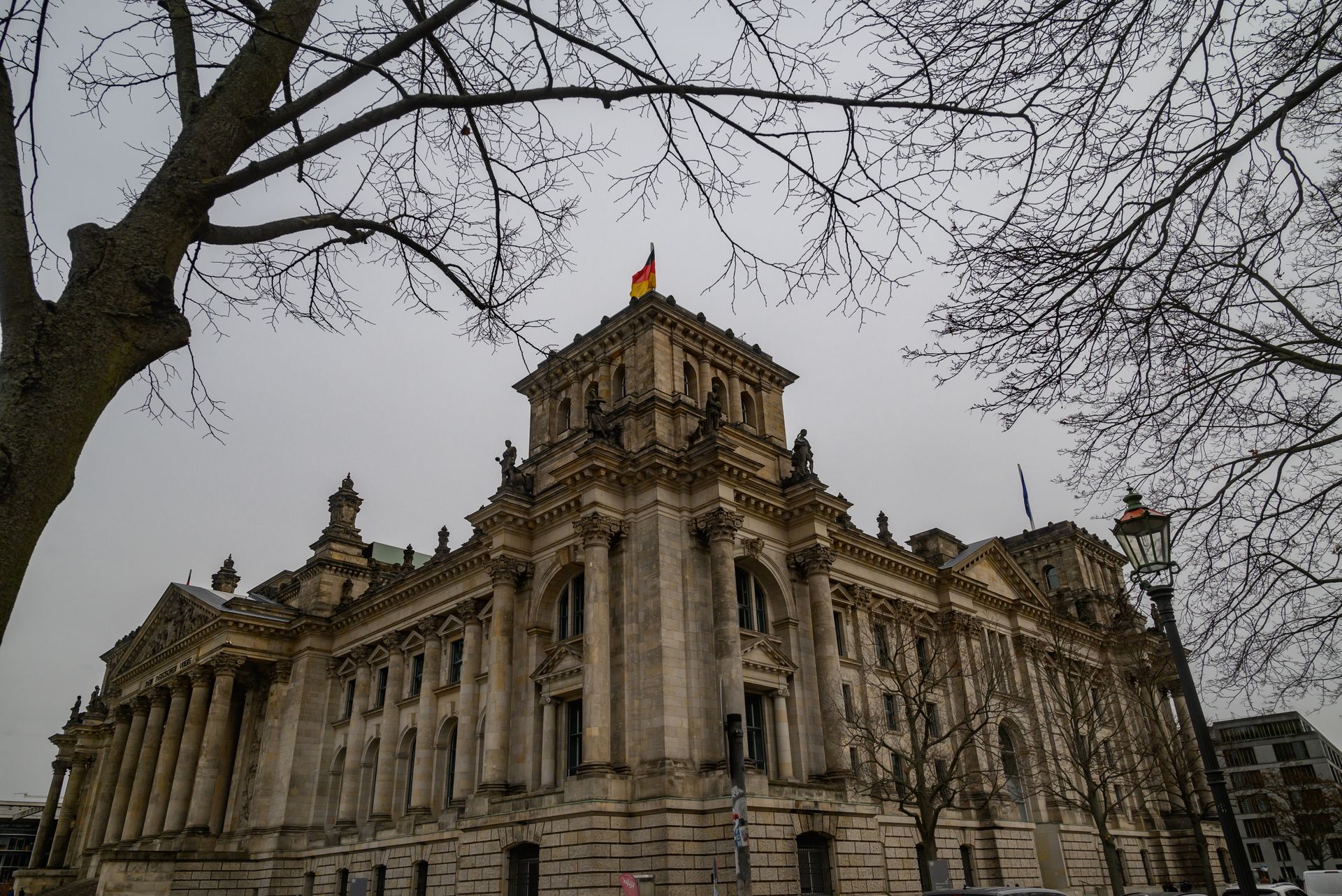
German parliament could be drone target, minister Dobrindt warns of growing threat

EU's new asylum rules: fast-track border checks, return centres and mandatory solidarity

US Justice Department says Paramount-Warner Bros merger would not harm competition
