Euro zone consumer confidence rises to -19.0 in May
Euro zone consumer confidence rose to -19.0 in May from -20.3 in April, according to the European Commission's flash reading. Analysts read the modest improvement as a sign of cautious balance among households against the energy shock linked to the Iran war.

The European Commission's preliminary reading showed euro zone consumer confidence rose to -19.0 in May, an improvement of 1.3 points from -20.3 in April. Survey results suggest households see a modest recovery in perceptions of their financial situation over the past twelve months and a small lift in major purchase intentions ahead.
Economists read the data as a signal that the energy shock linked to the Iran war is not, for now, dragging confidence into sharper deterioration. Annual inflation drifting toward 3 percent continues to strain real purchasing power, but wage settlements across member states and a resilient labour market are offsetting some of the pressure.
European Central Bank policymakers say the reading carries weight in softening the rate-policy debate. Eyes now turn to the German GfK consumer confidence release due in June and country-level retail-sales figures; markets continue to price in the possibility of two additional cuts before the end of the year.
More from Europe
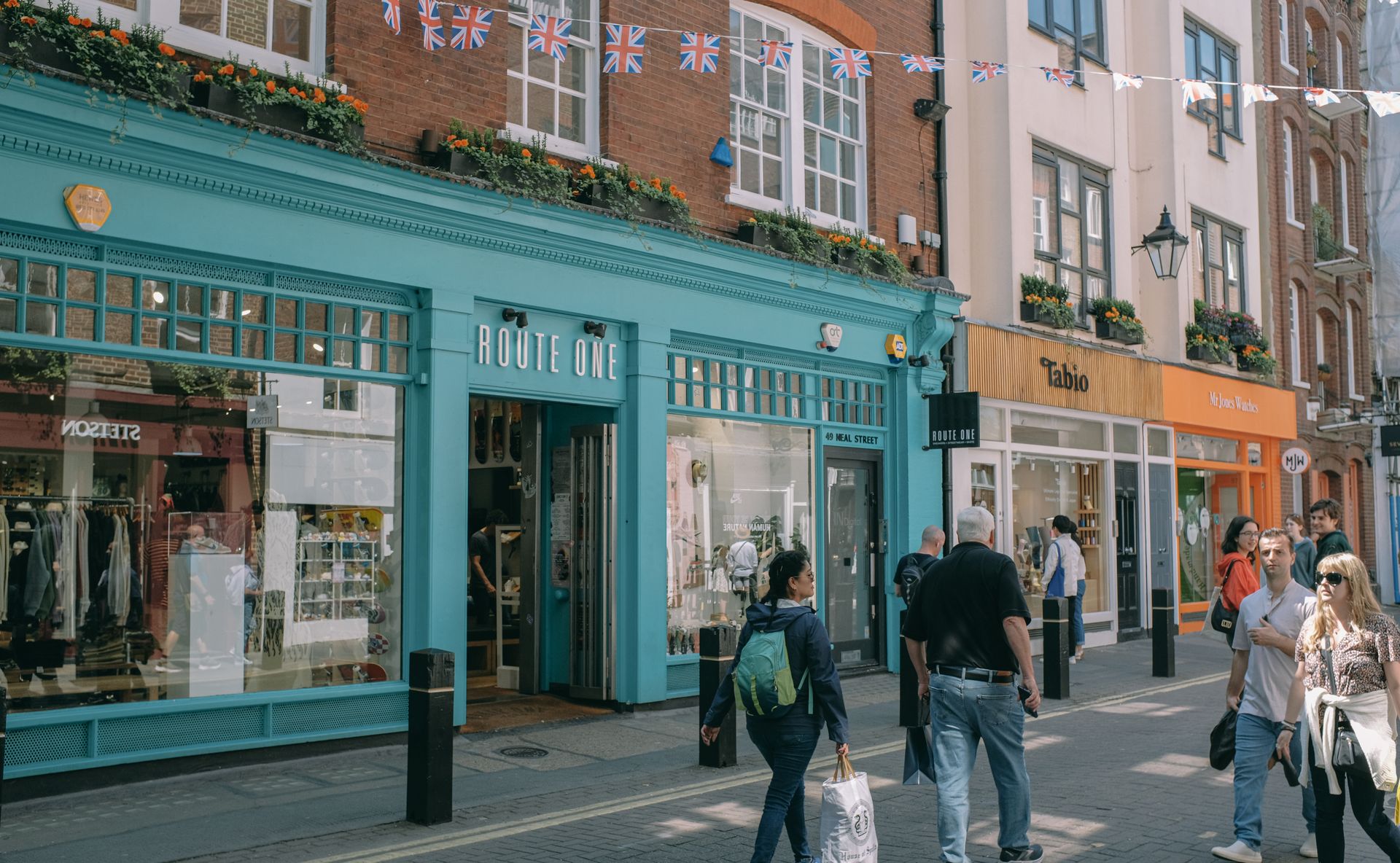
UK retail sales drop by most in nearly a year as drivers buy less fuel
UK retail sales volumes fell 1.4 percent month-on-month in April, the sharpest drop in 11 months, according to Office for National Statistics data. Drivers cut purchases as petrol approached £1.72 a litre; supermarket sales also slipped 0.8 percent. The pound eased to 1.2950 after the release.

Turkish Defence Ministry announces mobilisation drill to test plans and procedures
Turkey's Defence Ministry said it will run a nationwide mobilisation drill to test plans and procedures. The exercise aims to strengthen interagency coordination and assess operational readiness, the ministry said.

Slovenia elects Janez Janša as new prime minister in parliamentary vote
Slovenia's National Assembly elected Janez Janša as prime minister for the fourth time with a 47-43 vote. The veteran leader spent two months building a coalition after the Robert Golob government collapsed in March. The European Commission and NATO congratulated Janša; migration and judicial reforms top the agenda.