China confirms it will buy 200 Boeing jets after Trump-Xi summit
The Civil Aviation Administration of China (CAAC) formally confirmed the 200-aircraft order announced at the Trump-Xi Gyeongju summit. The deal is estimated at around $40 billion and spans Boeing's narrow-body 737 MAX and wide-body 787 Dreamliner lines.
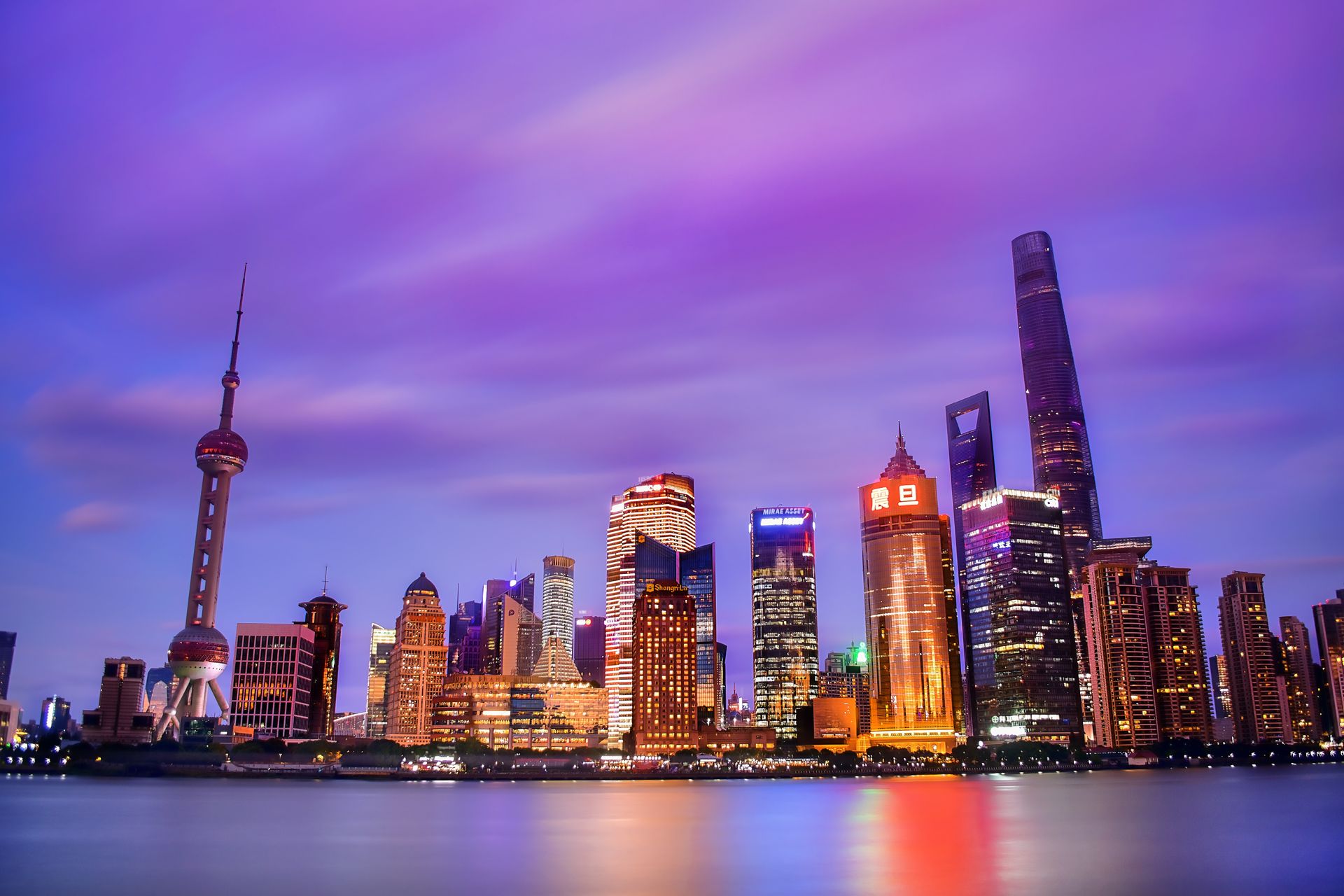
According to BBC Asia, Civil Aviation Administration of China head Song Zhiyong told a Saturday press conference in Beijing that the agency had formally approved a fresh 200-aircraft order from Boeing as part of the broader US trade arrangement. The deal includes 110 737 MAX 8/10 narrow-bodies and 90 787 Dreamliner wide-bodies, to be allocated among Air China, China Eastern, China Southern and Xiamen Airlines. The total list price is around $40 billion, with the expected actual billing in the $26-29 billion range.
Boeing Chief Executive Kelly Ortberg told investors in Seattle that the delivery schedule would begin in early 2027 and conclude by end-2031. Wedbush analyst Scott Deuschle told the BBC that 'the order expands Boeing's net backlog by 14.3% in one move and provides capacity visibility for the 737 MAX line through end-2030'. Boeing shares rose 4.7% in pre-market trading in New York, while Airbus shares fell 1.8% in Europe.
At the political level, China's National Development and Reform Commission spokesperson Wang Lutong said 'aviation cooperation is a cornerstone of the comprehensive economic agreement reached with the United States'. The White House National Security Council spokesperson signalled the order had been placed in exchange for tariff relief. The People's Bank of China announced a $24 billion aircraft-financing tranche granted to China Exim Bank; suppliers GE Aerospace, Spirit AeroSystems and Honeywell also saw mid-single-digit gains.
More from Asia

China's 'Seven Titans' tech stocks slump as deflation overpowers AI boom
China's 'Seven Titans' tech stocks (Alibaba, Tencent, JD, Meituan, Pinduoduo, Baidu and NetEase) shed a combined $290 billion in market capitalisation in May as AI optimism faded against three consecutive months of deflation data. A Nikkei Asia analysis shows institutional outflows continuing.
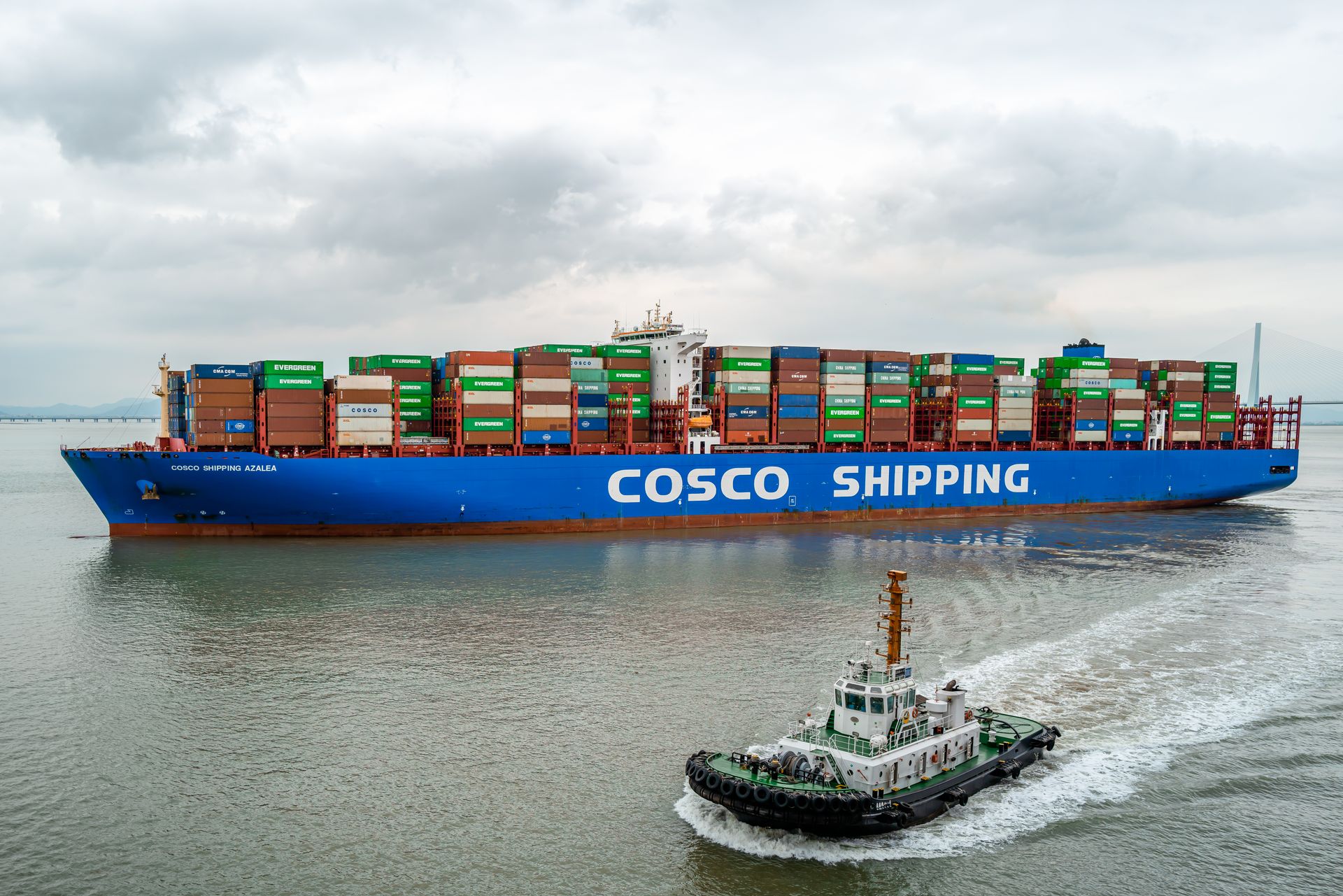
Japan to bolster sea lane defence with Southeast Asia info-sharing plan
Japan will set up a broad maritime information-sharing framework with Southeast Asian countries, led by the Philippines, Vietnam and Indonesia. With the Hormuz crisis and South China Sea tensions in the background, Tokyo is moving to protect critical trade lanes.
Inflation storm builds in India as rupee sinks deeper
India's wholesale price inflation is expected to face additional upward pressure as oil and metal prices remain elevated amid geopolitical tensions. A weakening rupee is further worsening the inflation outlook, a new report warned.