Danube Drought Threatens Nuclear Power in Hungary, Romania
Record-low water levels on the Danube River are straining nuclear power plants in Hungary and Romania during an ongoing summer heatwave. Hungary's Paks plant, which normally supplies about half the country's electricity, is running at roughly 10% of capacity because of a shortage of cooling water. In Romania, the military blew up a rock outcrop in an attempt to improve water flow toward the Cernavoda plant.
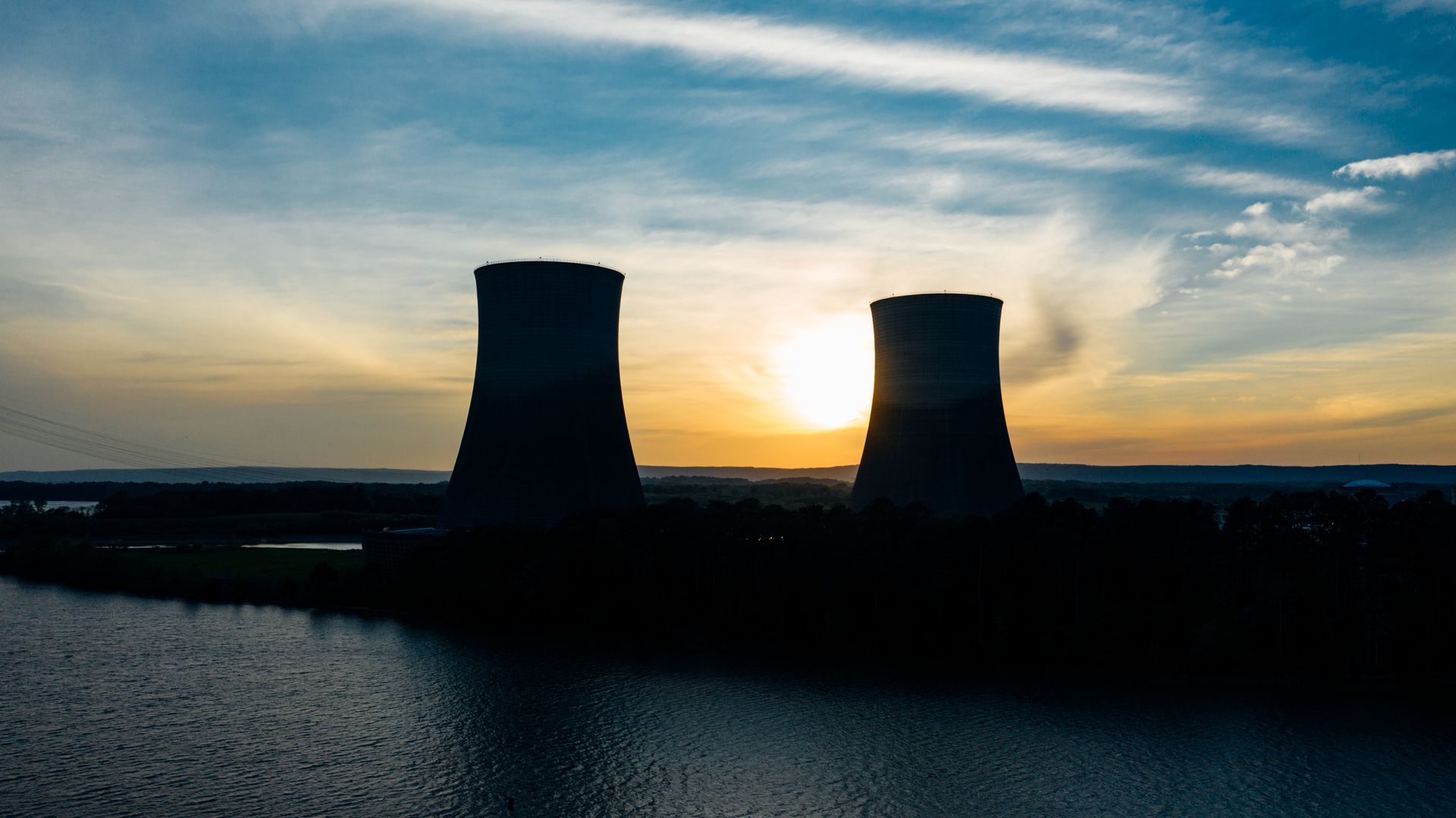
Record-low water levels on the Danube River are putting nuclear power plants in Hungary and Romania under severe strain as a summer heatwave grips central and eastern Europe. Hungary's Paks nuclear plant, which normally supplies roughly half the country's electricity, is currently operating at only about 10% of capacity because there is not enough river water to cool its reactors.
In Romania, the military blew up a rock outcrop in the Danube in an effort to improve water flow toward the Cernavoda nuclear plant, which relies on the river for cooling. Falling water levels across the region are also cutting output at hydroelectric facilities and raising concerns about wider electricity shortages this summer.
Governments across central and eastern Europe are taking steps to conserve electricity as officials warn the drought could deepen before the season ends. Engineers at both plants are monitoring river levels closely, and further capacity cuts are possible if the dry conditions persist into the coming weeks.
Read next

Qatar says US-Iran mediation continues but no direct talks planned
Qatar says mediation efforts between the US and Iran are continuing, though no direct talks are currently planned. Tehran has denied President Trump's assertion that negotiations are already under way.

Iran, Oman Hold 'Positive' Talks on Reopening Strait of Hormuz

BP posts $5.7 billion profit as Iran war lifts oil prices

India's Youth Unemployment Becomes Modi's Biggest Political Challenge
