RNZ: New Zealand approves plan to draw additional water from Lake Pūkaki for three years
New Zealand's Environment Court has approved drawing additional water from Lake Pūkaki for hydroelectric generation for three years. The decision aims to secure back-up generation capacity against drought risk.

According to RNZ, New Zealand's Environment Court has approved an extra three-year water-extraction allowance from Lake Pūkaki for the hydroelectric plants operated by Genesis Energy and Meridian Energy. The decision is intended to secure electricity-generation capacity on the South Island during possible drought periods.
The court noted that the additional drawing right is capped at annual ceilings and tied to lake-level protection criteria. The local iwi (Māori community) council maintained its statement asking for protection of fish habitat and lake levels of spiritual value, and the court attached a requirement to review monitoring protocols every six months.
The New Zealand government said the extra water-extraction right creates an important buffer for domestic electricity prices. The decision is treated as a three-year temporary measure in a country where hydroelectric generation accounts for about 60 percent of supply. This article is not investment advice.
More from Australia-Pacific

ABC: Australia's 'Cybertongue' technology could prevent 70 million tonnes of milk waste a year
Developed in Australia's capital Canberra, the Cybertongue sensor technology detects early dairy spoilage in real time. Its developers say the system could prevent up to 70 million tonnes of waste globally each year.

Diver dies after shark attack off Albany, Western Australia
According to ABC News Australia, an experienced diver has died after being attacked by a 4.5-metre white shark during a permitted dive off the coast of Albany in Western Australia. Local authorities have temporarily closed the coastline.
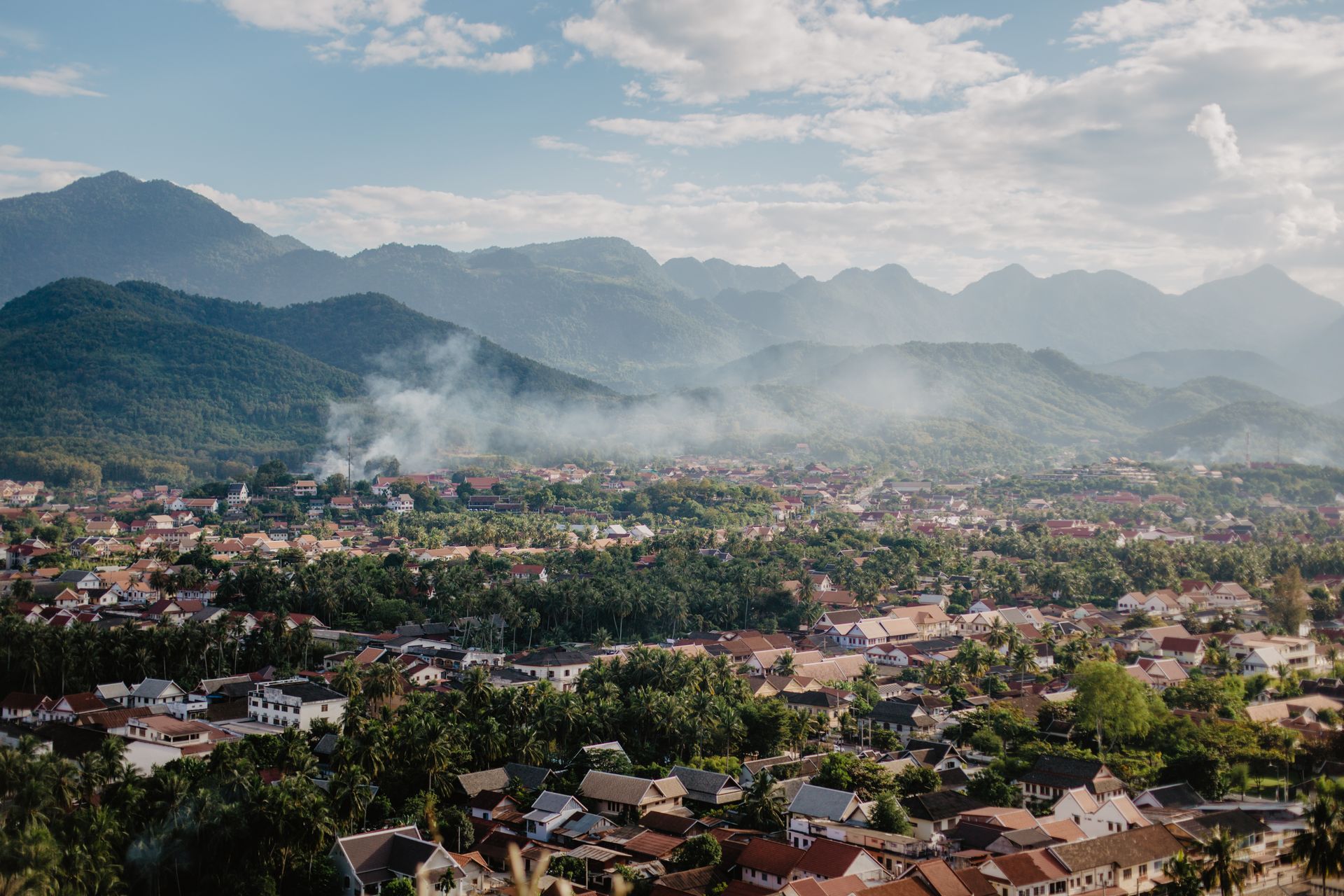
'We were so close': Laos cave rescue called off as conditions deteriorate
According to ABC News Australia, the international operation to rescue two trapped climbers in a cave system in northern Laos has been called off due to heavy rainfall and rising water levels. The team, which included experts from Australia, said it was 'so close' to a successful conclusion.