ABC: Australia's 'Cybertongue' technology could prevent 70 million tonnes of milk waste a year
Developed in Australia's capital Canberra, the Cybertongue sensor technology detects early dairy spoilage in real time. Its developers say the system could prevent up to 70 million tonnes of waste globally each year.

ABC News Australia reports that a research team based in the capital Canberra has developed a sensor technology called Cybertongue that can detect early spoilage in milk and dairy products in minutes, without laboratory testing. The system combines a biosensor chip that integrates into the production line with a data dashboard.
A spokesperson for the developer said roughly 70 million tonnes of milk are wasted globally each year and that this figure is significant for food inflation and farmer costs. Pilots have started at three dairy plants in New South Wales and Victoria, and additional commercial talks with partners in New Zealand and the United States are ongoing.
Food and Agriculture Organization (FAO) data show that historical loss along the dairy chain has been in the 15 to 20 percent range. A fresh funding round has been opened to scale Cybertongue to mass production. This article is not investment advice.
More from Australia-Pacific

RNZ: New Zealand approves plan to draw additional water from Lake Pūkaki for three years
New Zealand's Environment Court has approved drawing additional water from Lake Pūkaki for hydroelectric generation for three years. The decision aims to secure back-up generation capacity against drought risk.

Diver dies after shark attack off Albany, Western Australia
According to ABC News Australia, an experienced diver has died after being attacked by a 4.5-metre white shark during a permitted dive off the coast of Albany in Western Australia. Local authorities have temporarily closed the coastline.
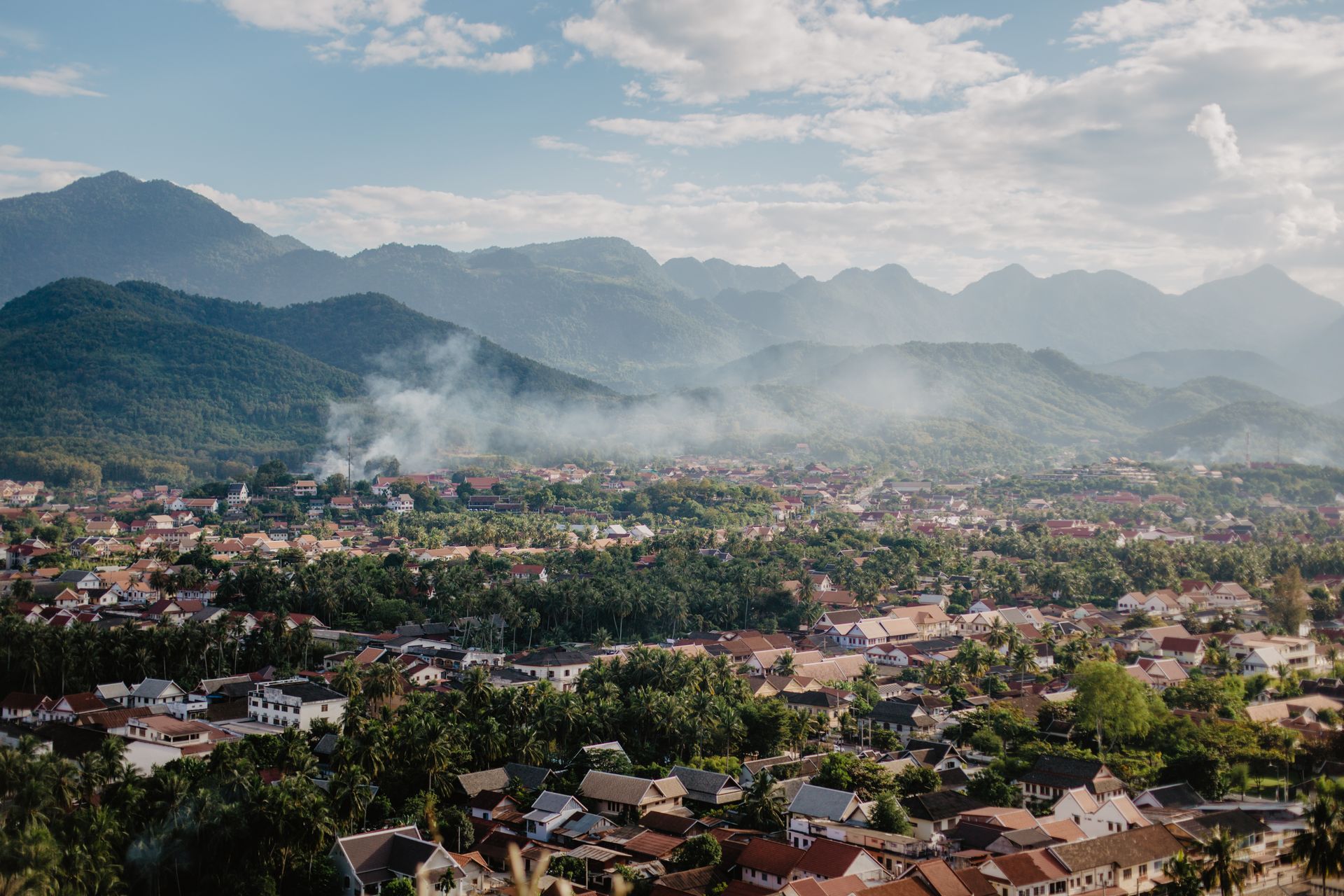
'We were so close': Laos cave rescue called off as conditions deteriorate
According to ABC News Australia, the international operation to rescue two trapped climbers in a cave system in northern Laos has been called off due to heavy rainfall and rising water levels. The team, which included experts from Australia, said it was 'so close' to a successful conclusion.