Pakistani PM Sharif visits China, with Middle East mediation on the agenda
Pakistani Prime Minister Shehbaz Sharif's two-day official visit to Beijing on Friday placed Pakistan's US-Iran mediation role and the Second Phase of the China-Pakistan Economic Corridor (CPEC, around $7.8 billion) at the centre of the agenda. Sharif met President Xi Jinping and signed seven agreements with Premier Li Qiang.
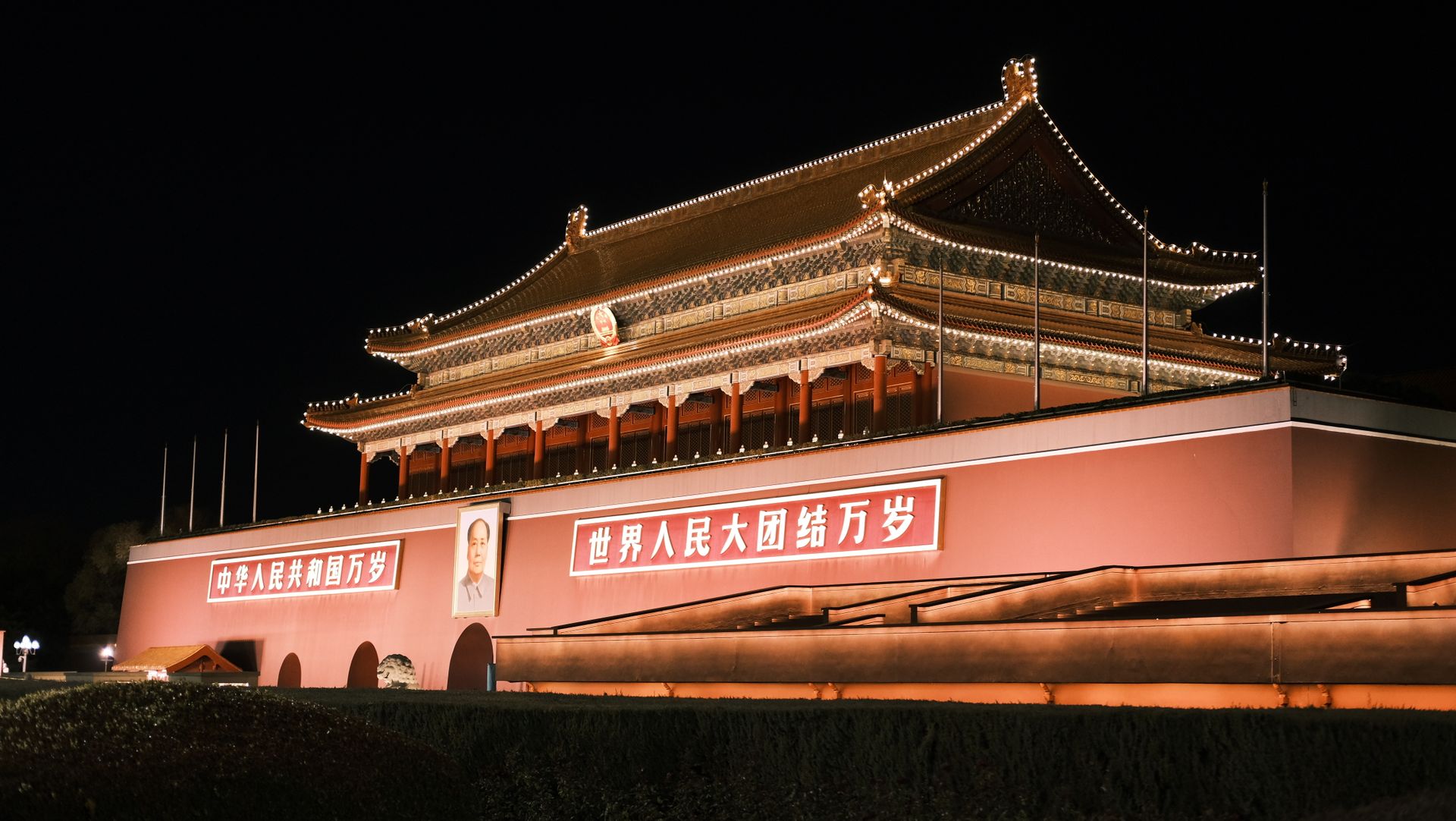
Pakistani Prime Minister Shehbaz Sharif's two-day Beijing visit that began Friday placed Pakistan's mediator role in indirect talks between the United States and Iran, alongside Phase 2 of the China-Pakistan Economic Corridor (CPEC, totalling around $7.8 billion), at the centre of the agenda. Sharif was received at the People's Palace by President Xi Jinping. Seven agreements signed with State Council Premier Li Qiang include motorway expansion, Karachi port shipyard modernisation, a joint telecoms investment and a renminbi-denominated $1.8 billion swap framework.
Chinese Foreign Ministry Spokesperson Mao Ning said in the daily Beijing briefing that 'we appreciate the constructive work Pakistan is doing in the Middle East.' Pakistani Foreign Minister Ishaq Dar reported that in Sharif's one-on-one meeting with Xi, he requested 'China's support for Pakistan's position in Tuesday's UN Security Council vote on Iran.' Asia Society analyst Mosharraf Zaidi said 'Sharif is positioning China not as a counterweight to the US, but as a third-party guarantor between Tehran and Washington.'
CPEC Phase 2 includes a $920 million LNG terminal at Gwadar Port, a $1.2 billion steel plant in the Punjab Industrial Zone and a $2.1 billion copper-gold mining development in Balochistan. Pakistan's CPEC debt stock has exceeded $28 billion (around 18% of total external debt); IMF Pakistan Executive Director Nathan Porter confirmed the agreements are 'consistent with the fiscal framework.' The Pakistani rupee closed at 287.40, while the KSE-100 index rose 1.4%. This article is not investment advice; regional geopolitical developments may affect market volatility.
More from Asia

India raises diesel and petrol prices for third time in 8 days amid US-Iran tensions
India's oil marketing companies (IOC, BPCL, HPCL) raised petrol and diesel prices by ₹2.40 and ₹2.80 respectively on Friday, marking the third increase in 8 days. Brent staying above $102, the tense US-Iran ceasefire and the rupee weakening to 87.40 against the dollar have intensified cost pressure, with central bank policy meeting in June adding uncertainty.
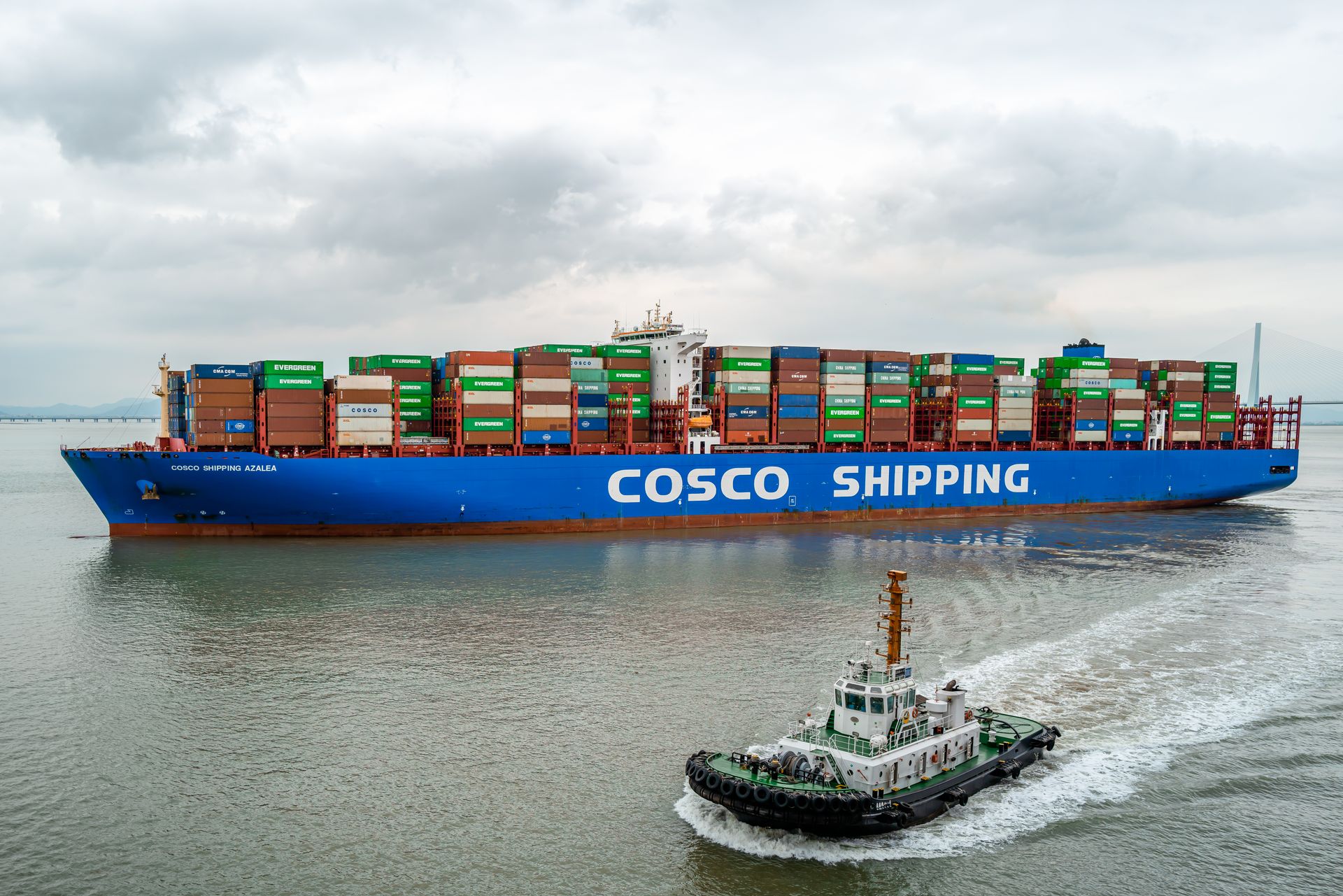
Japan to bolster sea lane defence with Southeast Asia info-sharing plan
Japan will set up a broad maritime information-sharing framework with Southeast Asian countries, led by the Philippines, Vietnam and Indonesia. With the Hormuz crisis and South China Sea tensions in the background, Tokyo is moving to protect critical trade lanes.
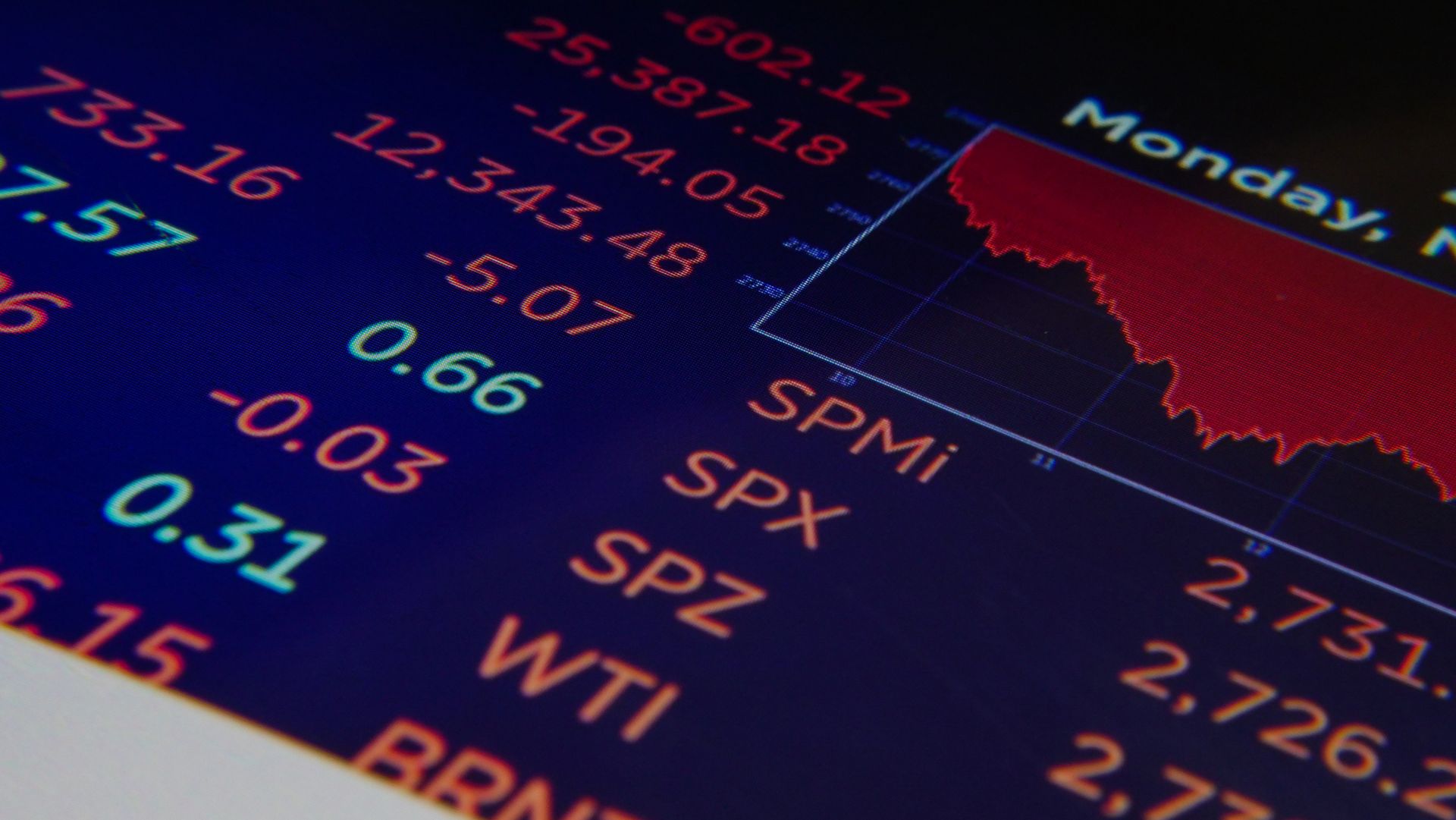
Inflation storm builds in India as rupee sinks deeper
India's wholesale price inflation is expected to face additional upward pressure as oil and metal prices remain elevated amid geopolitical tensions. A weakening rupee is further worsening the inflation outlook, a new report warned.