New Zealand lamb exporters face risk of fresh Trump tariffs, trade minister warns
New Zealand's trade minister has warned that the country's lamb exporters could face higher tariffs from the Trump administration. The United States is the second-largest market for New Zealand lamb.

New Zealand's trade minister has warned the country's lamb exporters could face higher tariffs from the Trump administration. Speaking to producers, the minister said recent signals from Washington pointed to potential cost increases for New Zealand suppliers.
The United States is New Zealand's second-largest market for lamb after China, contributing a notable share of total export earnings. The government says diplomatic channels with Washington remain open while it weighs support measures aimed at strengthening competitiveness in alternative markets.
The warning comes as dollar-denominated commodity costs are pushed up by the Iran conflict. RNZ reports that freight and insurance premiums are climbing sharply. Industry bodies say any new tariff would affect family farms and large exporters alike, and they have called on the government to keep pressing for an early diplomatic settlement with Washington.
More from Australia-Pacific

Four more ANU council members quit after Julie Bishop's shock resignation
Four more members of the Australian National University council have resigned, the acting chancellor confirmed, after the shock departure last week of former chancellor Julie Bishop. The wave of exits signals a governance crisis at one of the country's leading universities.
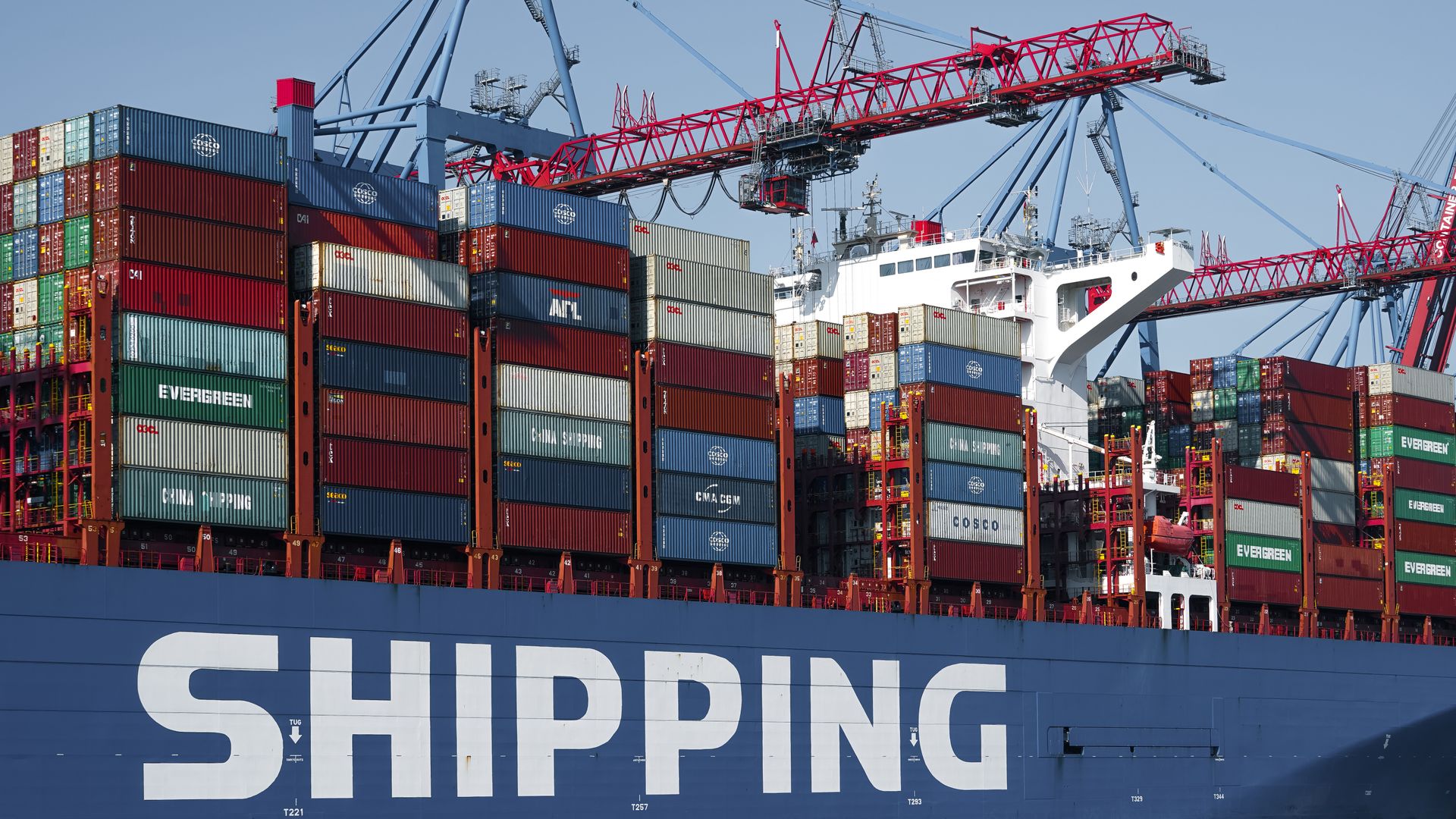
NZ and Australian Businesses Report Higher Costs and Risks From Middle East Conflict
Sixty-eight percent of firms surveyed by the New Zealand Chamber of Commerce reported freight, fuel and insurance costs jumping by at least 15% over the past three months because of the Iran war. More than half said they have postponed 2026 investment plans.

Chalmers Hands Down 2026 Budget, Says Labor Has Chosen 'Hard Road of Reform'
Australian Treasurer Jim Chalmers handed down the 2026-27 federal budget, unveiling A$12 billion to ease the housing supply shortage, an 11% jump in defence spending and a A$4 billion cost-of-living package against the Iran-war energy shock. The deficit is forecast at 1.8% of GDP.