Türkiye's Financial Stability Committee meets under Şimşek, emphasizes inter-agency coordination
Türkiye's Financial Stability Committee, chaired by Treasury and Finance Minister Mehmet Şimşek, reviewed global market developments and Turkish financial sector indicators. The session brought together the heads of the Central Bank, Banking Regulation and Supervision Agency, Capital Markets Board and SDIF to revisit inter-agency coordination and risk monitoring mechanisms.
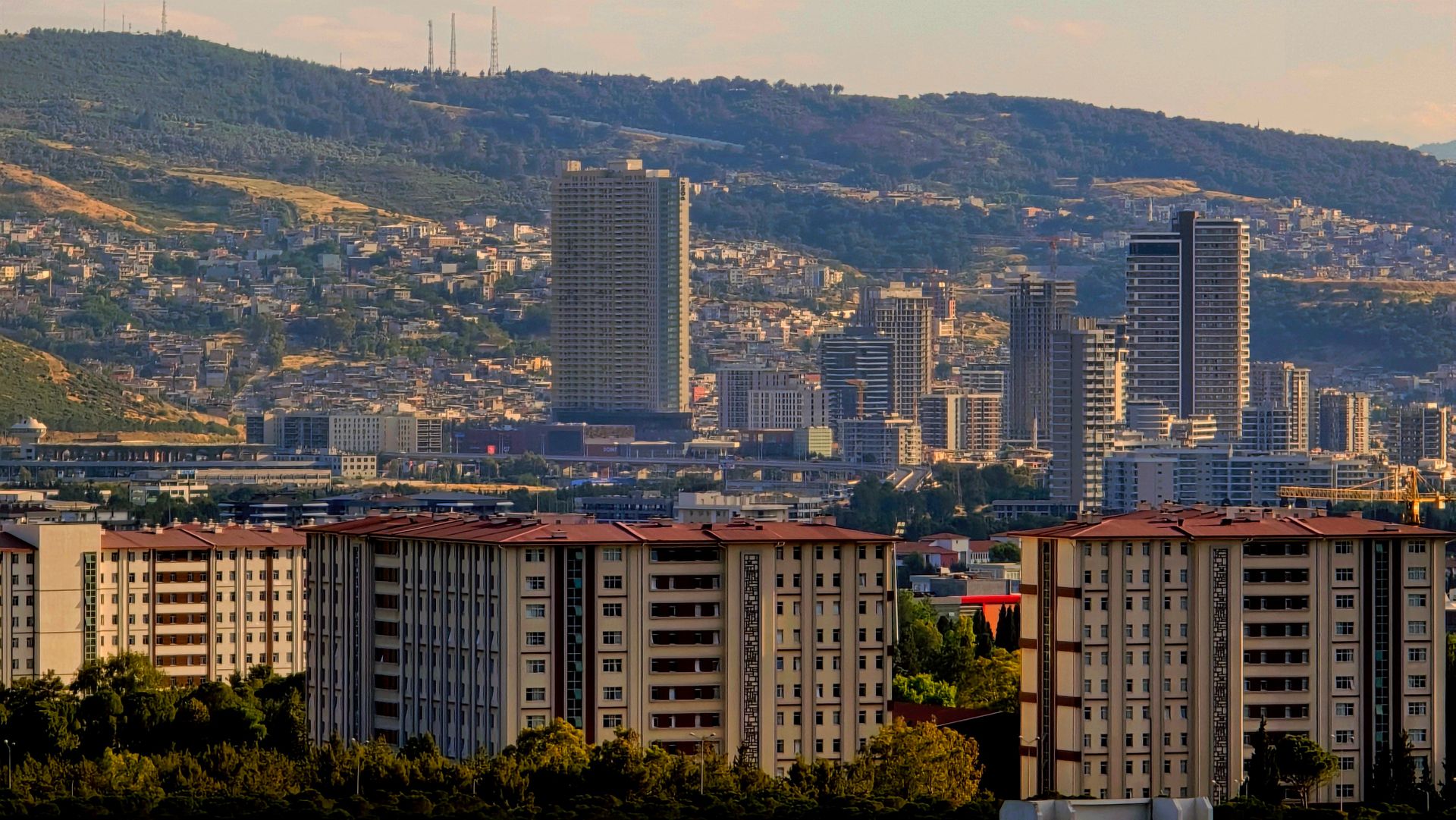
According to a statement from the Treasury and Finance Ministry, the committee meeting addressed international developments and the current state of the financial sector. Minister Şimşek chaired the session, joined by Central Bank Governor Fatih Karahan, BDDK Chair Şahap Kavcıoğlu, CMB Chair İbrahim Ömer Gönül and SDIF Chair Muhiddin Gülal.
The committee reviewed the banking sector's capital adequacy ratio, non-performing loans and TL-equivalent foreign-currency liabilities. BDDK's briefing indicated that sectoral capital buffers remain above the regulatory thresholds. The meeting also examined monitoring protocols for structured credit products and the corporate bond market.
The ministry said the committee will maintain its regular periodic meeting calendar and strengthen inter-agency signal thresholds against external shocks. The next meeting was set for mid-July. Investment decisions should be made with professional financial advice.
More from Europe
UK retail sales drop by most in nearly a year as drivers buy less fuel
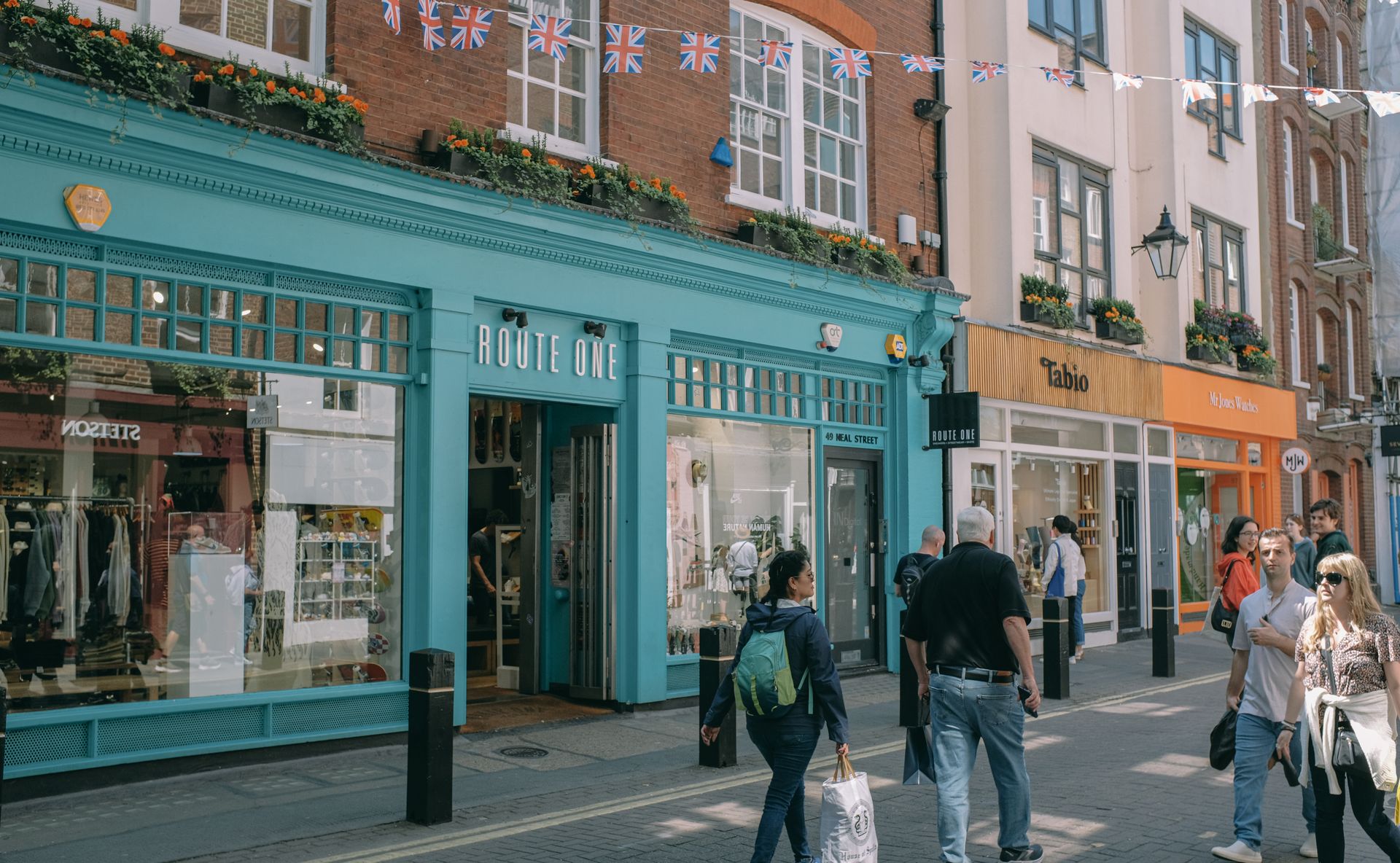
UK retail sales volumes fell 1.4 percent month-on-month in April, the sharpest drop in 11 months, according to Office for National Statistics data. Drivers cut purchases as petrol approached £1.72 a litre; supermarket sales also slipped 0.8 percent. The pound eased to 1.2950 after the release.

Turkish Defence Ministry announces mobilisation drill to test plans and procedures
Turkey's Defence Ministry said it will run a nationwide mobilisation drill to test plans and procedures. The exercise aims to strengthen interagency coordination and assess operational readiness, the ministry said.

Slovenia elects Janez Janša as new prime minister in parliamentary vote
Slovenia's National Assembly elected Janez Janša as prime minister for the fourth time with a 47-43 vote. The veteran leader spent two months building a coalition after the Robert Golob government collapsed in March. The European Commission and NATO congratulated Janša; migration and judicial reforms top the agenda.