Pakistan's army chief in Tehran as US's Rubio says 'slight progress' in talks
Pakistan Army Chief Asim Munir visited Tehran during ongoing US-Iran negotiations. US Secretary of State Marco Rubio said the talks had made 'slight progress'. Pakistan is strengthening the mediation track alongside Oman and Qatar.

According to Al Jazeera, Pakistan Army Chief General Asim Munir arrived in Tehran on 22 May to meet Iranian President Masoud Pezeshkian and Foreign Minister Abbas Araghchi. The talks focused on Pakistan's role as an 'active mediator' in the US-Iran negotiating process. Iranian state news agency IRNA reported that Munir will hold a second meeting between Tehran and Islamabad within 72 hours.
Speaking to reporters aboard his plane en route to New Delhi, US Secretary of State Marco Rubio said the talks had made 'slight progress but are not at the finish line'. Rubio added that uranium enrichment and Strait of Hormuz transit fees 'remain critical sticking points'. The Senate resolution drafted by Senator Bernie Sanders is due to be voted on Tuesday.
The International Institute for Strategic Studies (IISS) Middle East Director Hassan Hakimian said Pakistan's role 'is a signal that pre-war diplomatic formats are functioning again'. Brent crude prices fell from $102 to $99 after the news. Munir attending a remembrance ceremony at the Khayriyeh monument cemetery in Tehran was read as a diplomatic message.
More from Middle East

US Secretary Rubio sees progress in Iran talks but says 'not there yet'
U.S. Secretary of State Marco Rubio said at a joint press briefing in New Delhi that indirect talks between the U.S. and Iran have 'made notable progress' but are 'not yet at a final deal point.' Oman and Pakistan are mediating. Oil prices fell $2.40 per barrel after the statement.
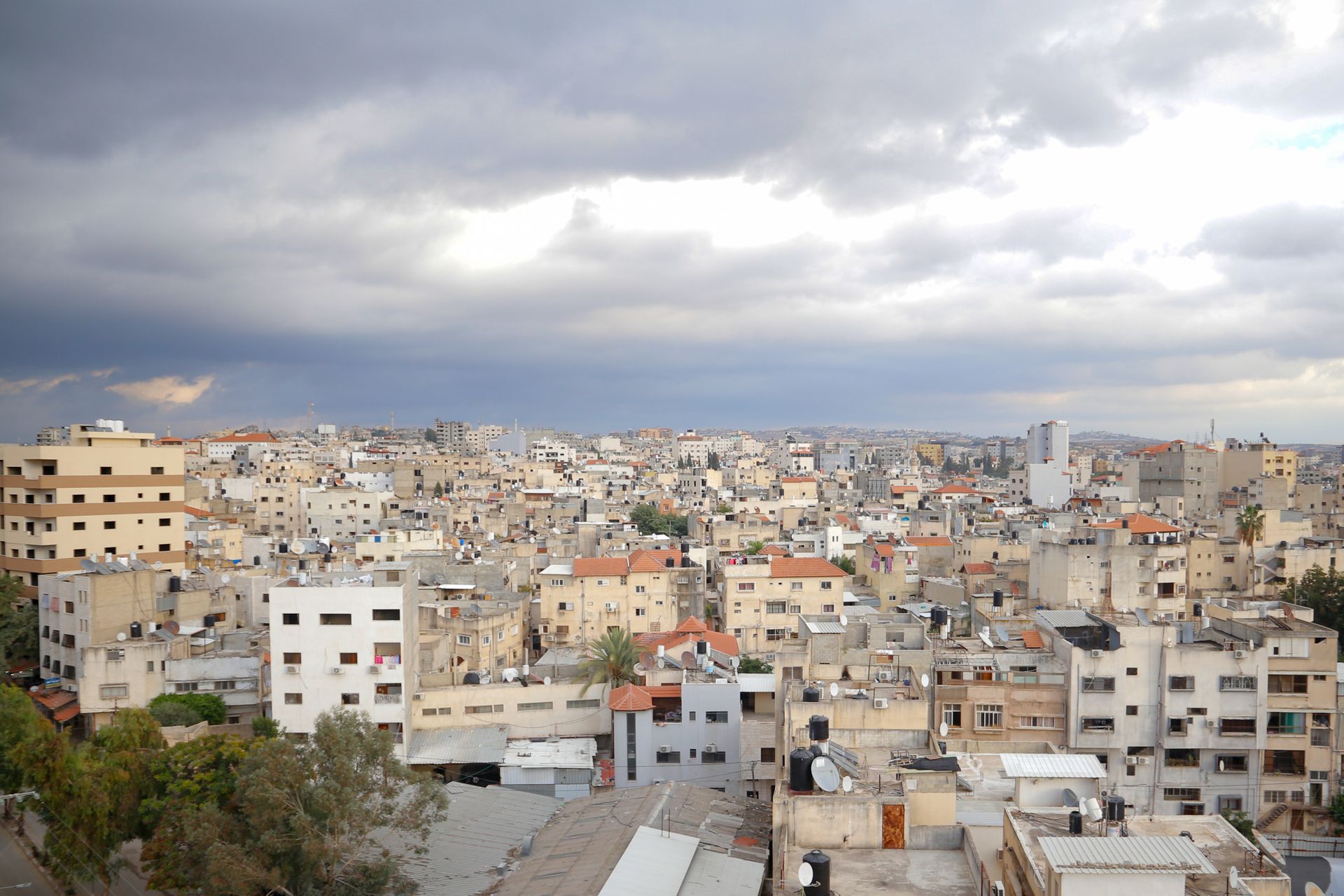
Palestinian President Abbas casts vote in decisive Fatah elections
Palestinian President Mahmoud Abbas cast his vote in internal Fatah elections that will reshape the movement's leadership structure. The ballot will set the agenda for governance priorities and succession planning in the post-Gaza war period.
Western nations warn Israel to end illegal settlement expansion, violence
Nine countries including the United Kingdom, Germany, France, Canada, Australia, New Zealand, Norway, Belgium and Ireland issued a joint statement calling Israel's settlement expansion and settler violence in the occupied West Bank a 'breach of international law.' The countries said concrete sanctions measures are on the table.