Colombia's escalating internal conflict will shape the incoming president's security agenda
The reach of armed groups in Colombia has expanded in recent months and the incoming administration's approach to those groups will shape the next security agenda. The president-elect, backed by Donald Trump, ran on a hard-line cartel war while his leftist rival had advocated talks; BBC reporting highlights the violence in Cauca and Norte de Santander.
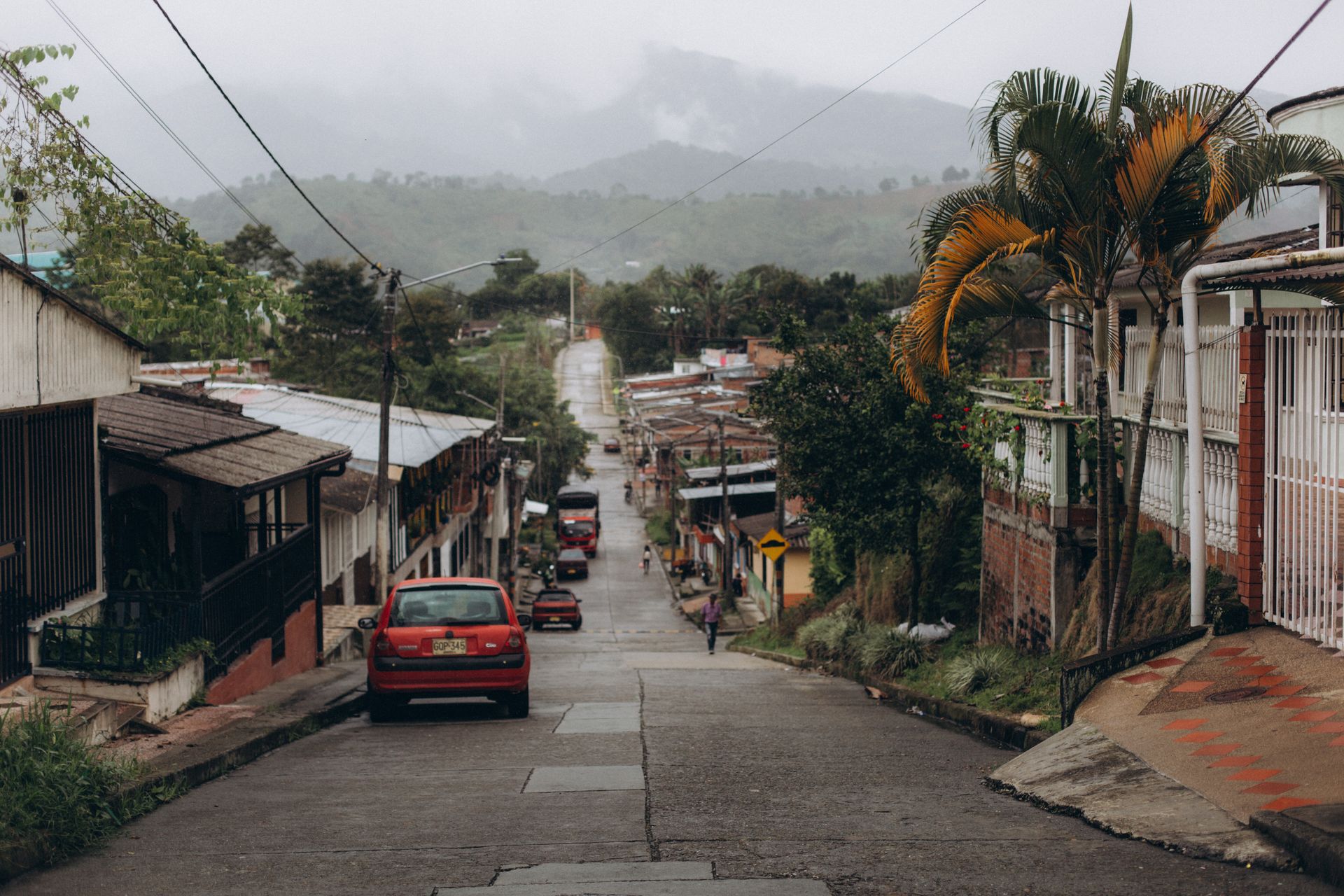
Colombia's internal conflict has escalated in recent months, with armed groups extending control across rural areas including Cauca and Norte de Santander. BBC field reporting describes farmers in the coffee belt unable to reach their plots for stretches and former FARC factions regrouping along the border.
President-elect Abelardo de la Espriella, backed by Donald Trump and the winner of yesterday's runoff, had pledged a hard military campaign against cartels and armed groups. His leftist rival Iván Cepeda had said he would continue the current government's peace framework.
The security equation facing the new administration goes beyond armed groups to include the expansion of coca-growing areas, law-enforcement capacity and a fresh round of security cooperation expected with Washington. Local equities including Ecopetrol and banks rose after the vote; markets are now watching the incoming team's concrete steps.
Read next

US eases Iranian oil sanctions as Iran denies Vance claim on nuclear inspectors
The US Treasury on Monday eased certain sanctions on Iranian oil exports, while Iran's Foreign Ministry rejected as « factually incorrect » a claim by US Vice President JD Vance that nuclear inspectors had been granted « full access » to facilities.
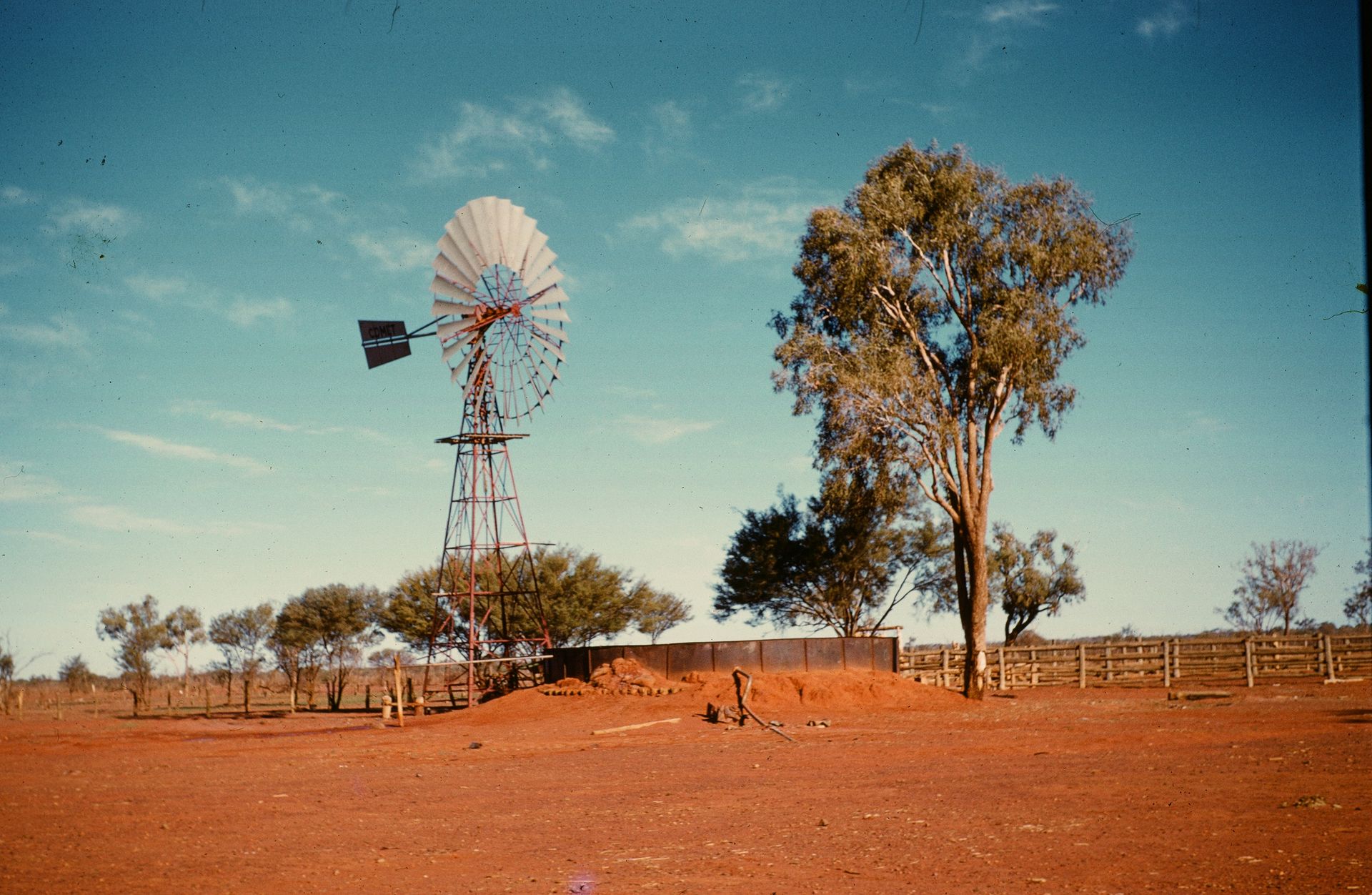
Australian renewable energy company admits « failures » caused destruction of Aboriginal rock shelter
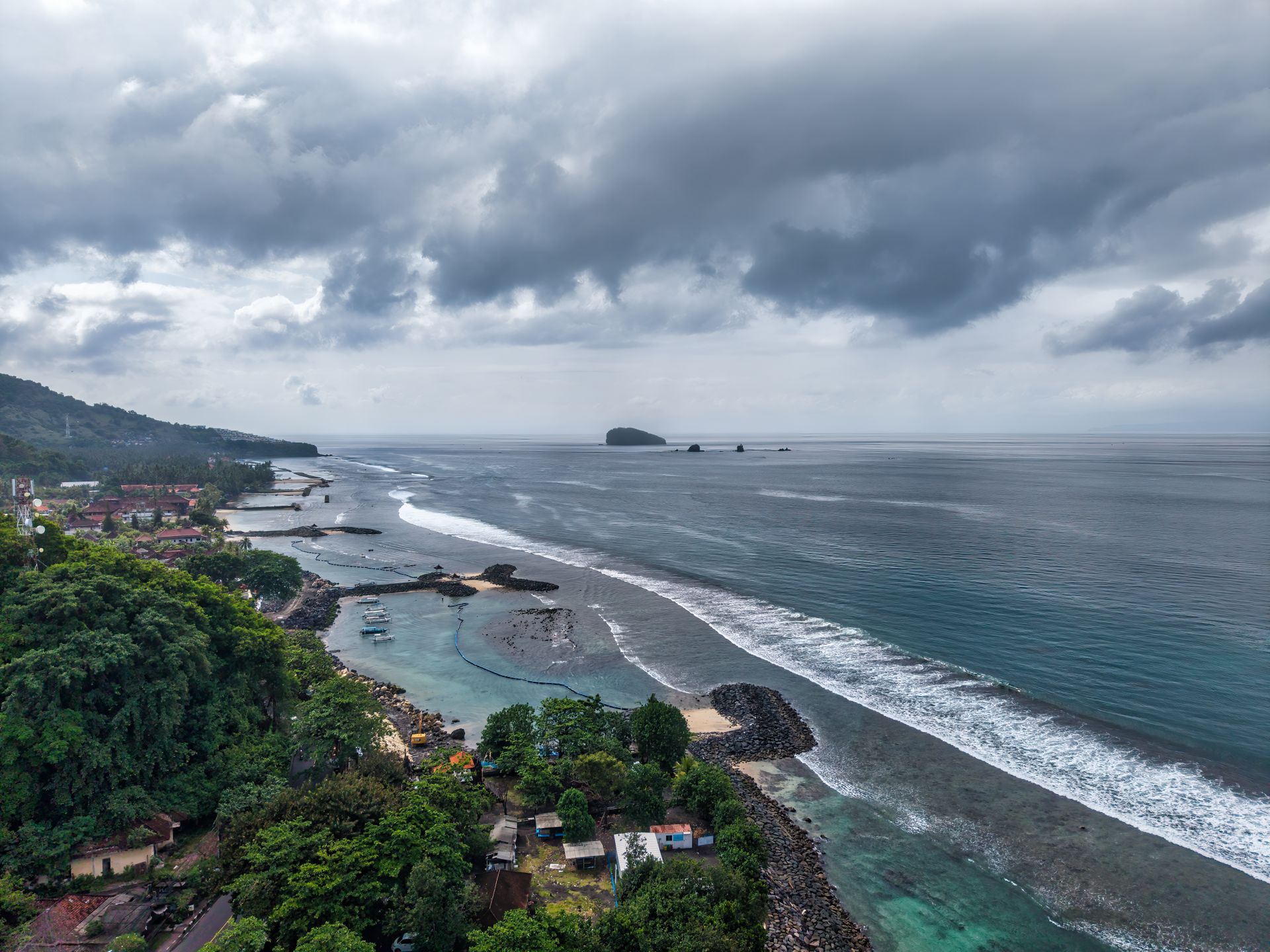
Australia's coal and gas exports violate human rights, group says in new UN case

China's strategic mineral controls threaten EU rearmament push, bloc seeks new sources
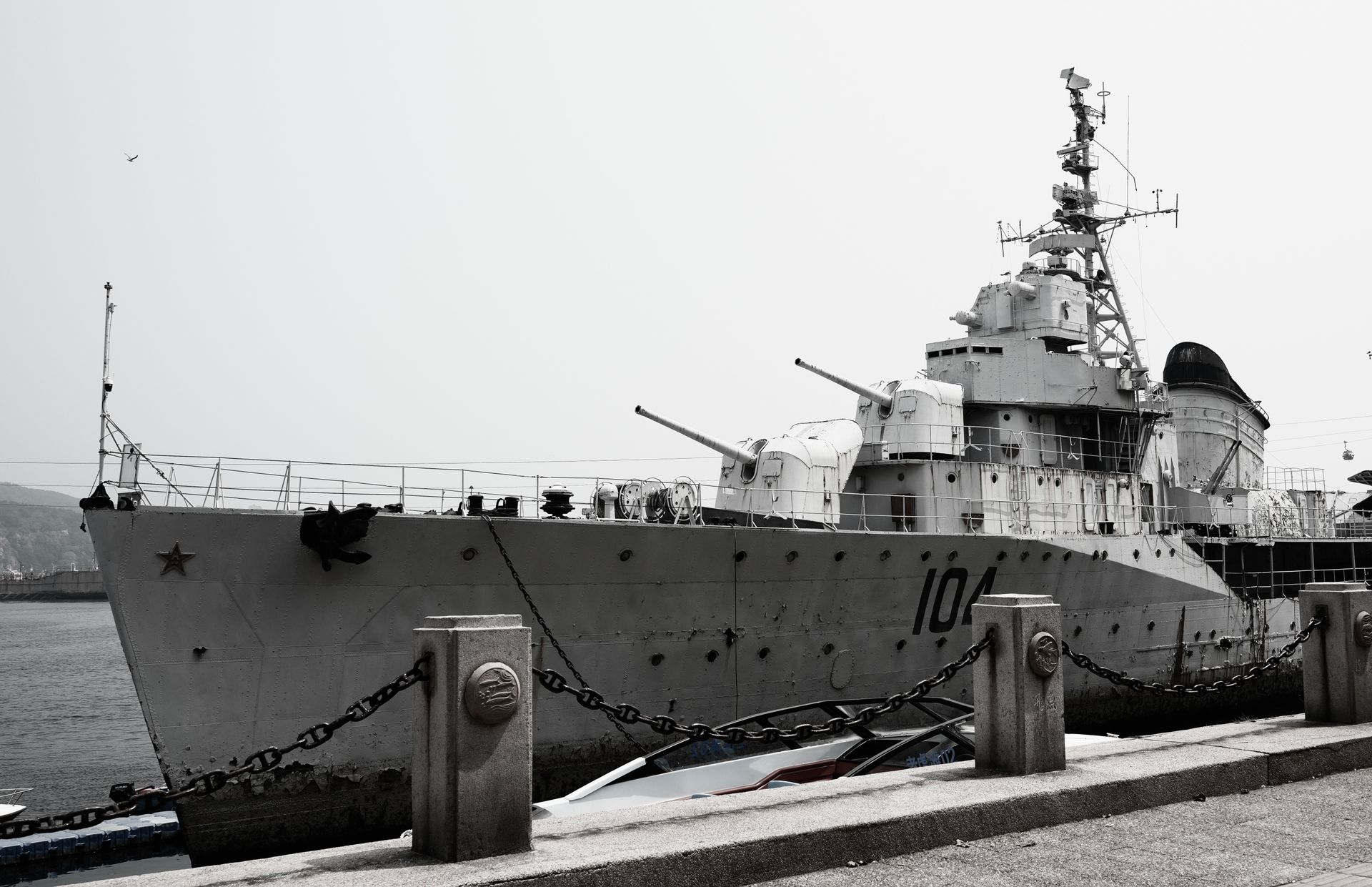
North Korea's Kim calls Japan a re-emerging « war state » in rare public address