Trump may release US-Iran deal text before Friday, Vance describes it as 'a page and a half'
BBC Middle East reports that US Vice President JD Vance said the US-Iran deal text may be released before Friday, describing it as "about a page and a half" and "very general". According to Vance, many details will be worked out at later stages. The remarks have intensified questions about the deal's scope and implementation.
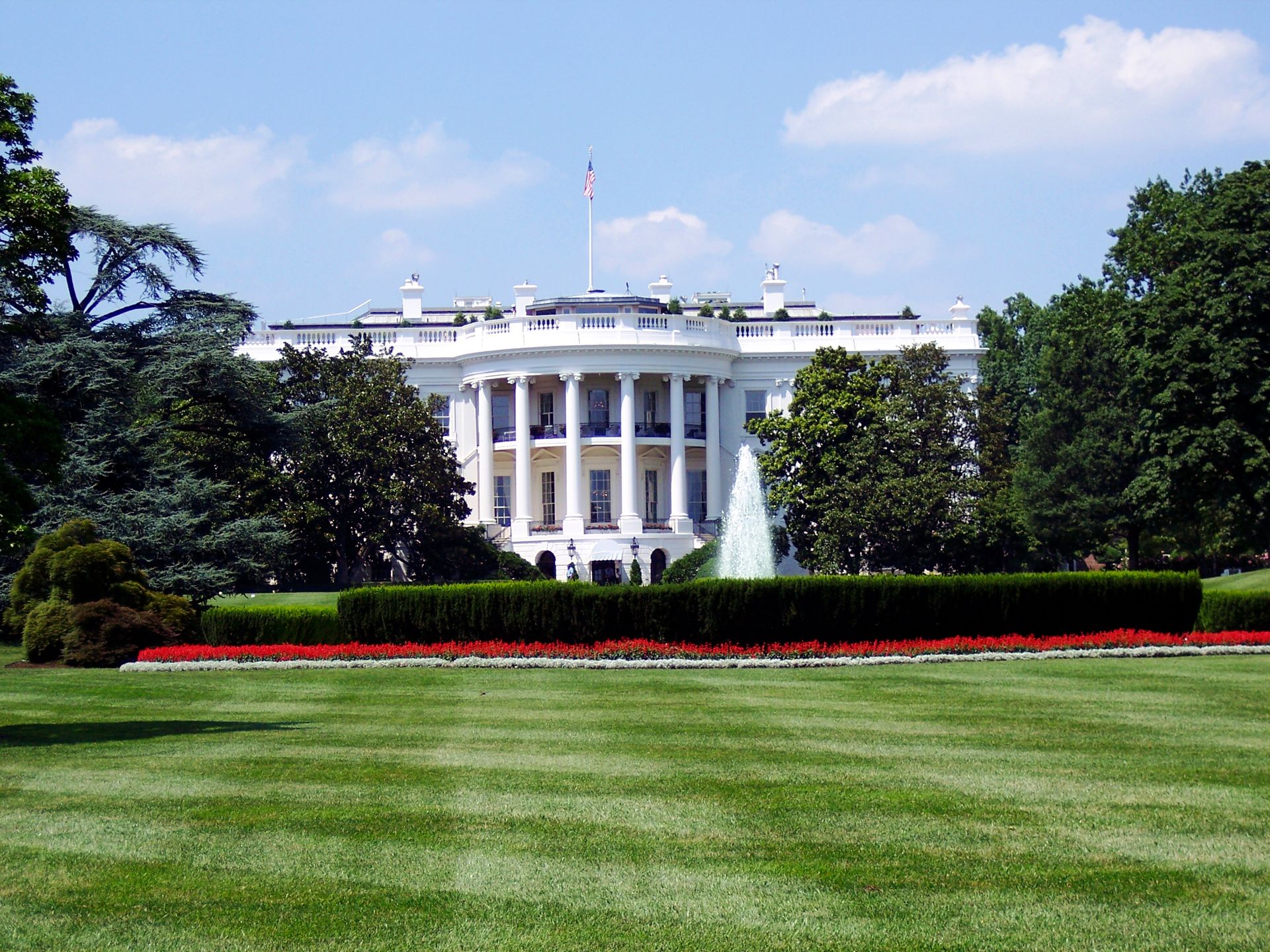
BBC Middle East reports that US Vice President JD Vance has said the text of the deal reached between Washington and Tehran may be released before Friday. Vance described the text as "about a page and a half" and "very general", with many details to be worked out in later negotiating phases.
The remarks have raised questions among foreign-policy analysts about the agreement's legal force, verification machinery and timeline. The previous nuclear framework, abandoned in 2018, was built on detailed verification clauses and a multi-year timeline; the current text reportedly does not include comparable specifics.
Attention now turns to when the White House will formally publish the text, the extent to which Tehran will confirm it, and how Congress will engage with the process. Oil markets are tied closely to implementation speed, so daily moves in Brent and WTI prices will remain a key signal of the deal's concrete impact. None of this is investment advice.
Read next

Will the US-Iran deal unlock a $300 billion investment fund for Tehran?
Al Jazeera reports that a central element of the US-Iran deal is the status of a $300 billion investment fund designated for Tehran. The Trump administration insists the fund is not a payout for Iran's enriched uranium. The release timetable and oversight mechanism for the fund are among the deal's main points of contention.

Teenager accused of planning Brisbane terror attack targeting LNP over nuclear policy

US military plans permanent war-ready weapons stockpile in Australia
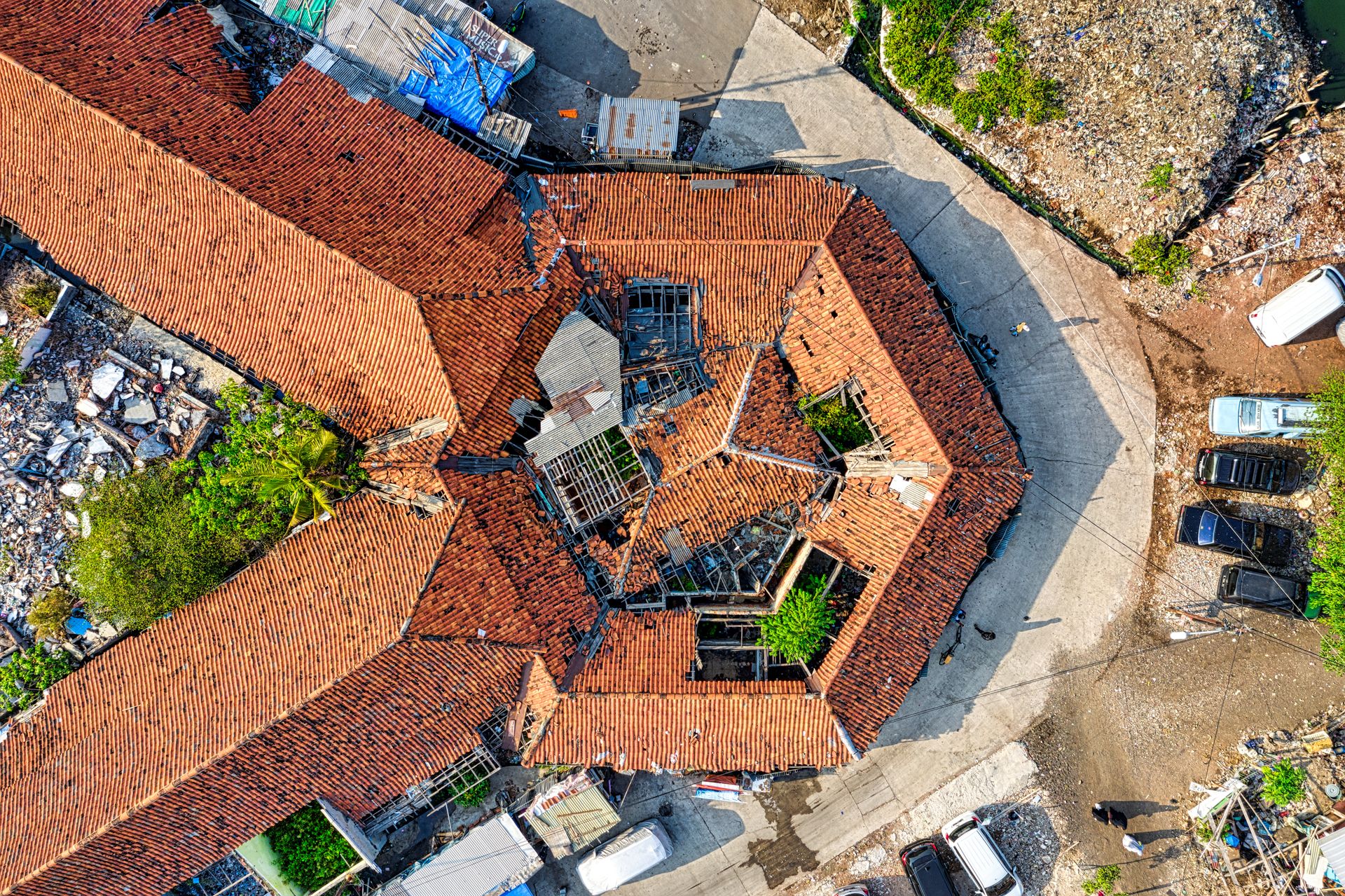
6.7 magnitude earthquake hits Indonesia's Sulawesi, hospitals evacuated as Palu shakes again
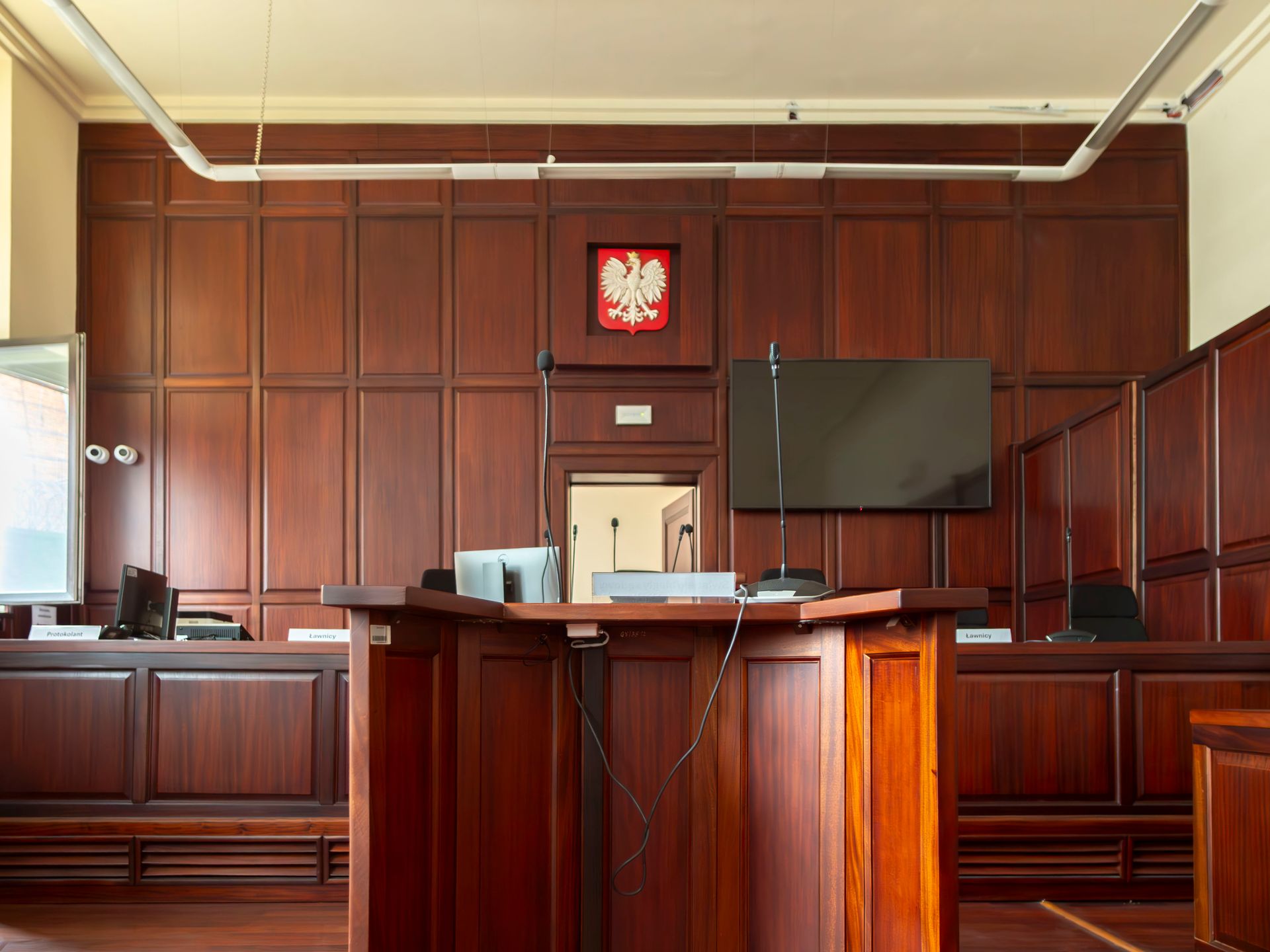
Former Central African Republic President Bozizé tried in absentia for crimes against humanity