Trump's deportation drive forces Latin American couples into wrenching choices
The Trump administration's accelerated deportation operations are forcing couples who have lived in the US for years to choose between separation and emigrating together. Latin American communities are bearing the brunt of the impact. Annual removals are projected to exceed 600,000 this year.

ICE operations have ramped up sharply since Trump took office. Mexican, Honduran and Venezuelan couples who spoke to the BBC say they are caught between their children's school year and looming removal dates. Some are choosing voluntary self-departure and returning to Latin America.
International Organization for Migration data show that returns through Mexico in the first four months of 2026 rose 35% year on year. Removals to Guatemala, El Salvador and Honduras are also up in double digits. Consulates report struggling to keep up with legal aid requests across the network.
Latin American governments are pushing the US for bilateral work visa arrangements. Brazil and Colombia have set aside funds for vocational programmes for returnees. Regional currencies, including the Mexican peso, face pressure on remittance flows. Federal Reserve data showed remittance inflows contracted 4% year on year in February.
More from South America
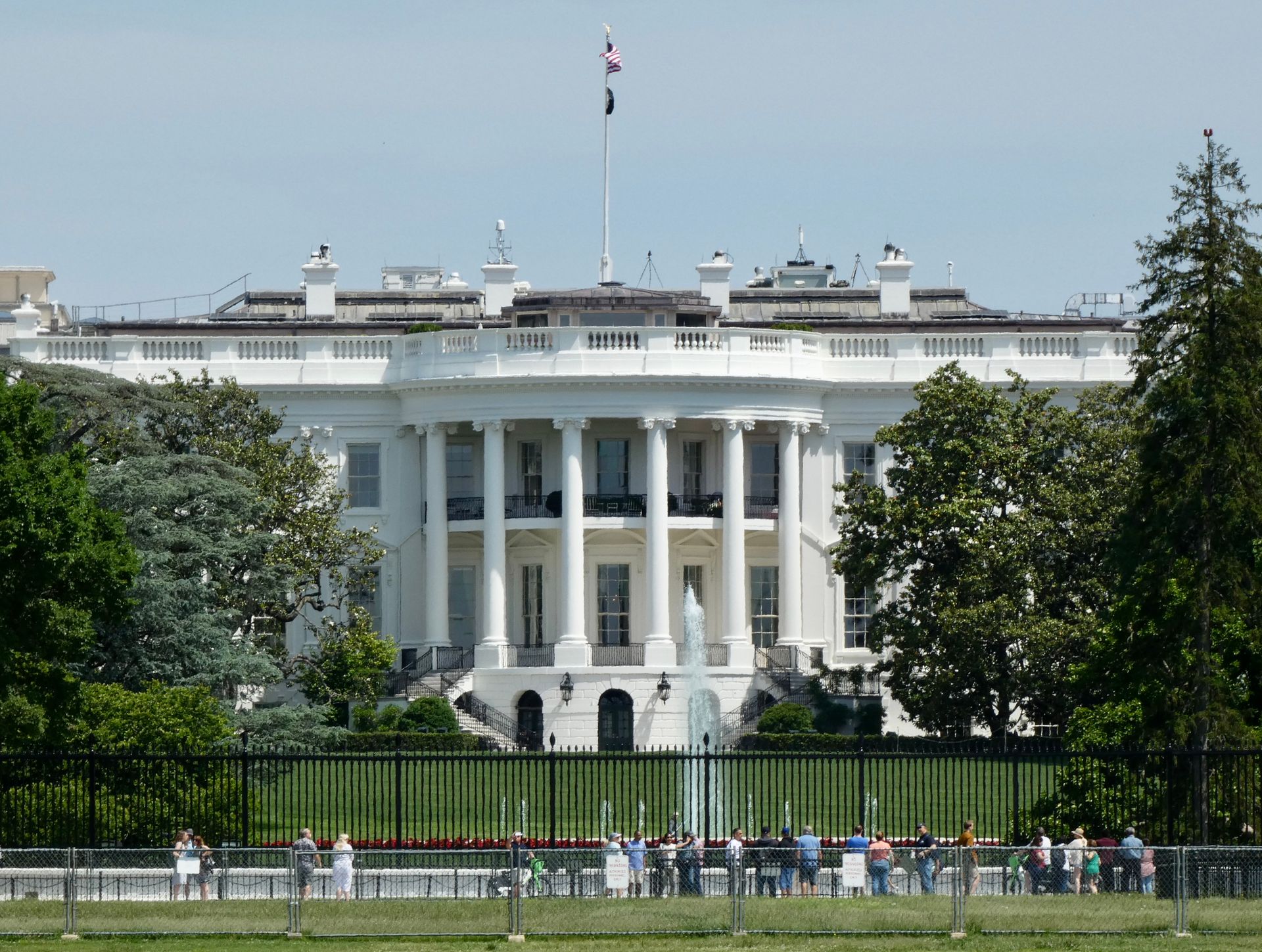
Trump and Lula's private Oval Office meeting signals effort to ease US-Brazil strain
Brazilian President Lula da Silva held a closed-door meeting with Donald Trump at the Oval Office in Washington. The two leaders covered tariffs, agricultural exports and regional security. The encounter was read as an attempt to de-escalate tensions strained by Bolsonaro's prison sentence.

Three dead after monster truck crashes into crowd
A monster truck crashed into a crowd at a show in Colombia, killing at least three people and injuring 38. The incident raises fresh concerns about public safety at large events.

Colombia announces record $1.4 million bounty for rebel leader blamed in bomb attack
Colombia's government announced a record $1.4 million bounty for a rebel commander known as "Marlon," blamed for orchestrating a bomb attack that killed 20 people. The extraordinary reward underscores the government's intensified campaign against armed groups destabilizing the nation.