Trump warns 'clock is ticking' for Iran as peace progress stalls
US President Donald Trump warned that progress in negotiations with Iran has stalled and that 'the clock is ticking'. Iran said it had responded to the latest US proposal and that exchanges with Washington were continuing, but Trump issued a clear warning with a narrow time frame.
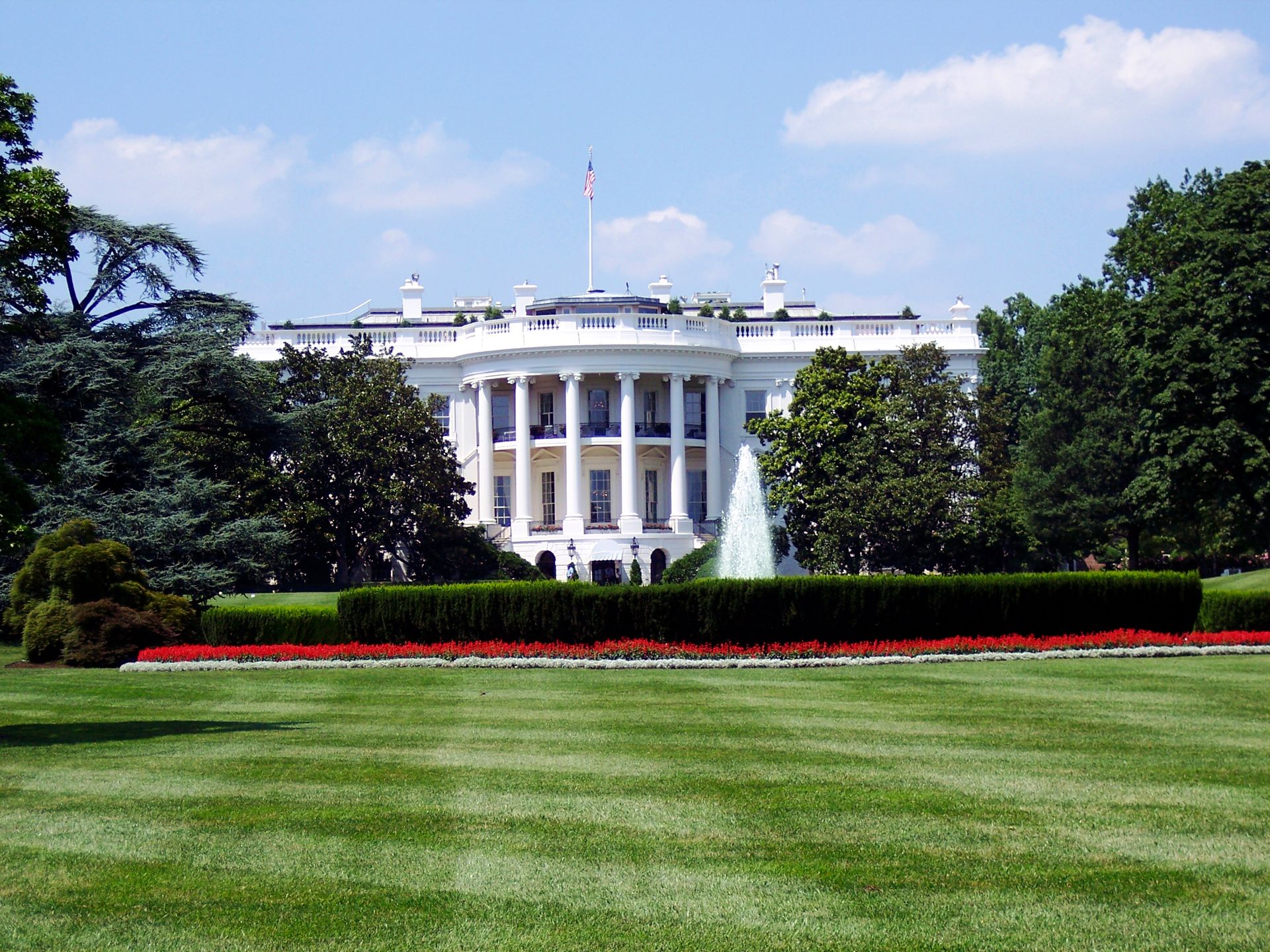
US President Donald Trump warned that progress in the nuclear and security talks with Iran has stalled and said 'the clock is ticking'. The remarks were made in a press exchange with reporters, just days after Washington abruptly aborted a planned military strike on Tehran.
Iran's side said on Monday that it had responded to the latest US proposal and that the exchanges with Washington were continuing. Trump's comment that 'something has to happen very soon' is being read as one of the clearest signs yet that US patience is wearing thin. White House officials stressed that no explicit ultimatum has been issued.
Diplomatic channels say Qatari and Omani mediation will intensify in the coming weeks. Qatar said US-Iran negotiations 'need more time' to be completed. Oil markets reacted with caution to the verbal warning; Brent crude continues to trade above $90 a barrel as tensions in the Strait of Hormuz persist.
More from Middle East

British couple on new hunger strike in Iranian jail, family say
Lindsay and Craig Foreman, a British couple held in Iran on espionage charges, began a new hunger strike 15 days ago, their family said. The family and the UK Foreign Office described the couple's health condition as "serious" and called for their immediate release.

Controlled reopening ends Iran's lengthy stock market shutdown
Iran's capital markets reopened on 20 May 2026, the first time since the onset of the Iran-US war. The Tehran Stock Exchange resumed activity within a daily price-move band of 2 percent and partial trading rules designed to limit volatility in share prices.
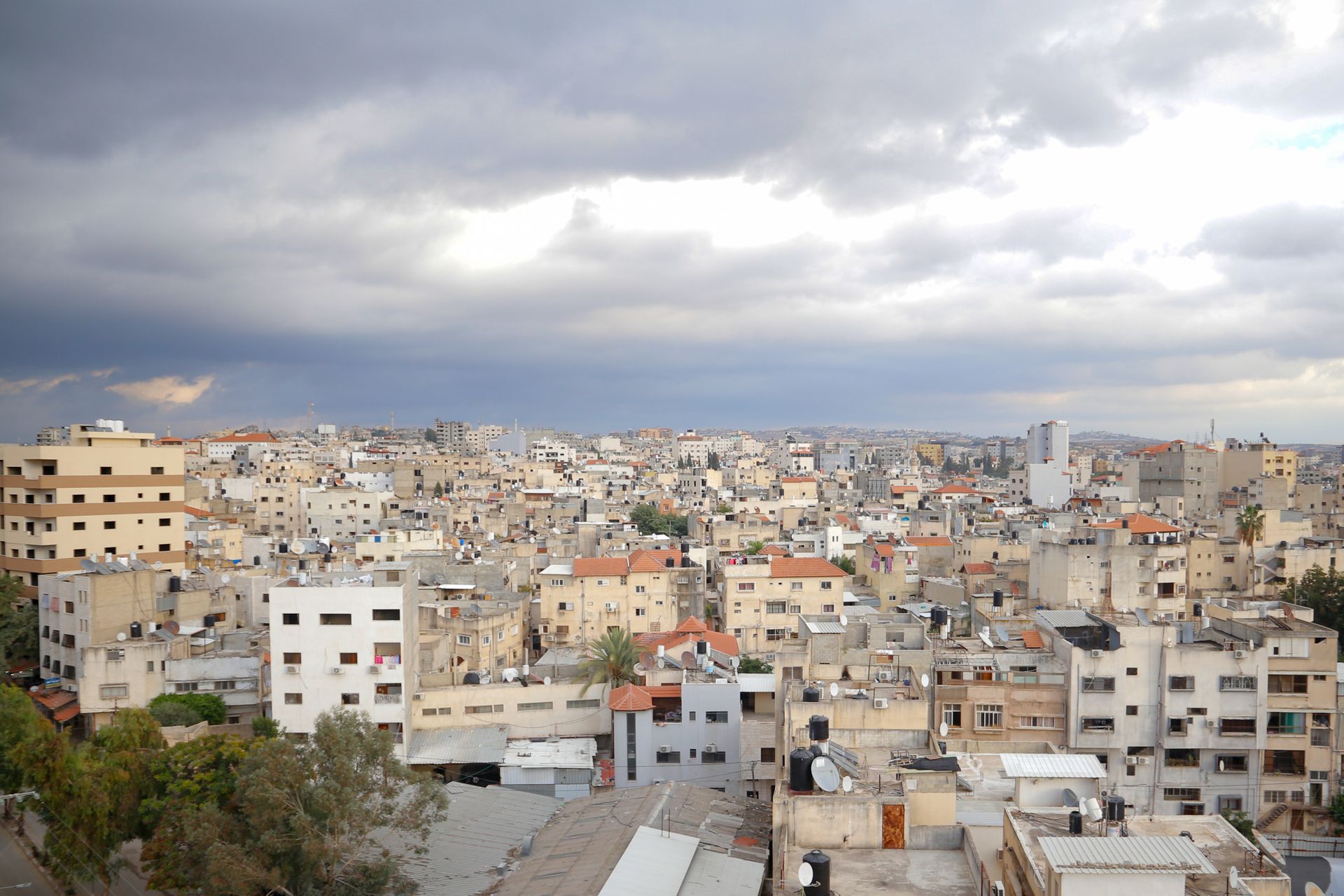
Palestinian President Abbas casts vote in decisive Fatah elections
Palestinian President Mahmoud Abbas cast his vote in internal Fatah elections that will reshape the movement's leadership structure. The ballot will set the agenda for governance priorities and succession planning in the post-Gaza war period.