Bahrain court jails nine for life for 'cooperating' with Iran's Revolutionary Guards
Bahrain's High Criminal Court has sentenced nine defendants to life imprisonment after finding them guilty of 'cooperating' with Iran's Islamic Revolutionary Guard Corps (IRGC). The ruling puts Tehran–Manama relations back on a tense agenda.

Bahrain's Justice Ministry spokesman Salman bin Hamad Al Khalifa said the court had sentenced nine defendants to life imprisonment and 12 others to prison terms ranging from five to 15 years. The indictment alleged that the defendants ran financial and logistical channels with the IRGC's Quds Force.
Iranian foreign-ministry spokesman Esmaeil Baghaei called the verdict 'politically motivated and contrary to international standards of justice' and argued that the defendants' fair-trial rights had been breached. Maryam Al-Khawaja of the Bahrain Centre for Human Rights said defence lawyers had been given only limited access to the case file.
Gulf Cooperation Council Secretary-General Cassim Mohammed Al-Budaiwi did not address the verdict directly, but repeated calls for 'coordinated judicial cooperation against regional security threats'. The US State Department said the verdict and the related appeals process would be followed, while the EU External Action Service said the matter would be addressed within its human-rights dialogue with Bahrain.
More from Middle East
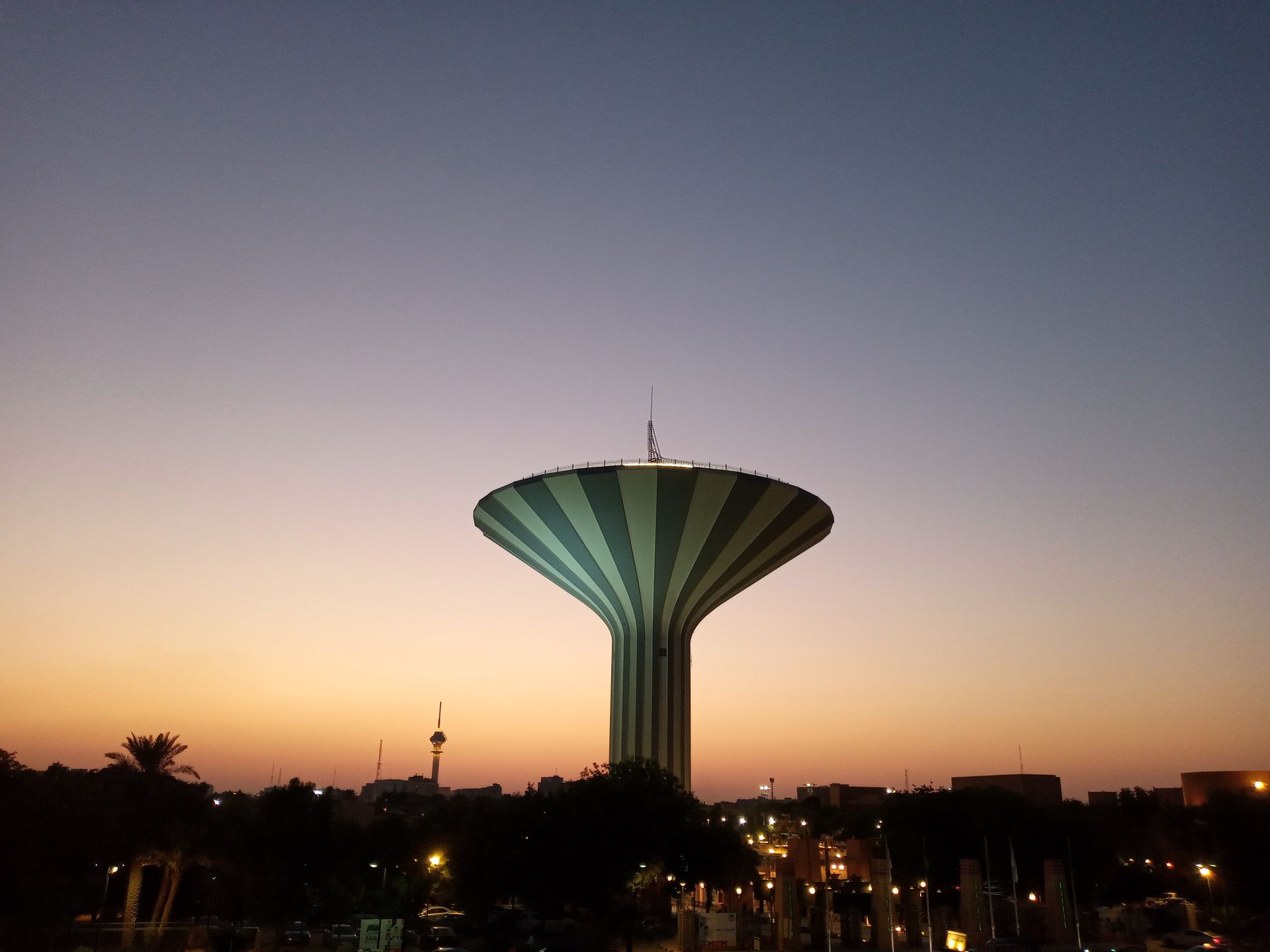
How Saudi Arabia's spending spree reached the end of the line
Saudi Arabia's Vision 2030 projects, led by Crown Prince Mohammed bin Salman, once looked like science fiction. A BBC analysis assesses how this era of vast spending has run into the realities of cost and revenue.

Syria holds legislative elections in former Kurdish-controlled areas
Syria is holding legislative elections in areas that were previously under Kurdish control. Al Jazeera reported on the voting in Hasakah and the town of Kobane.
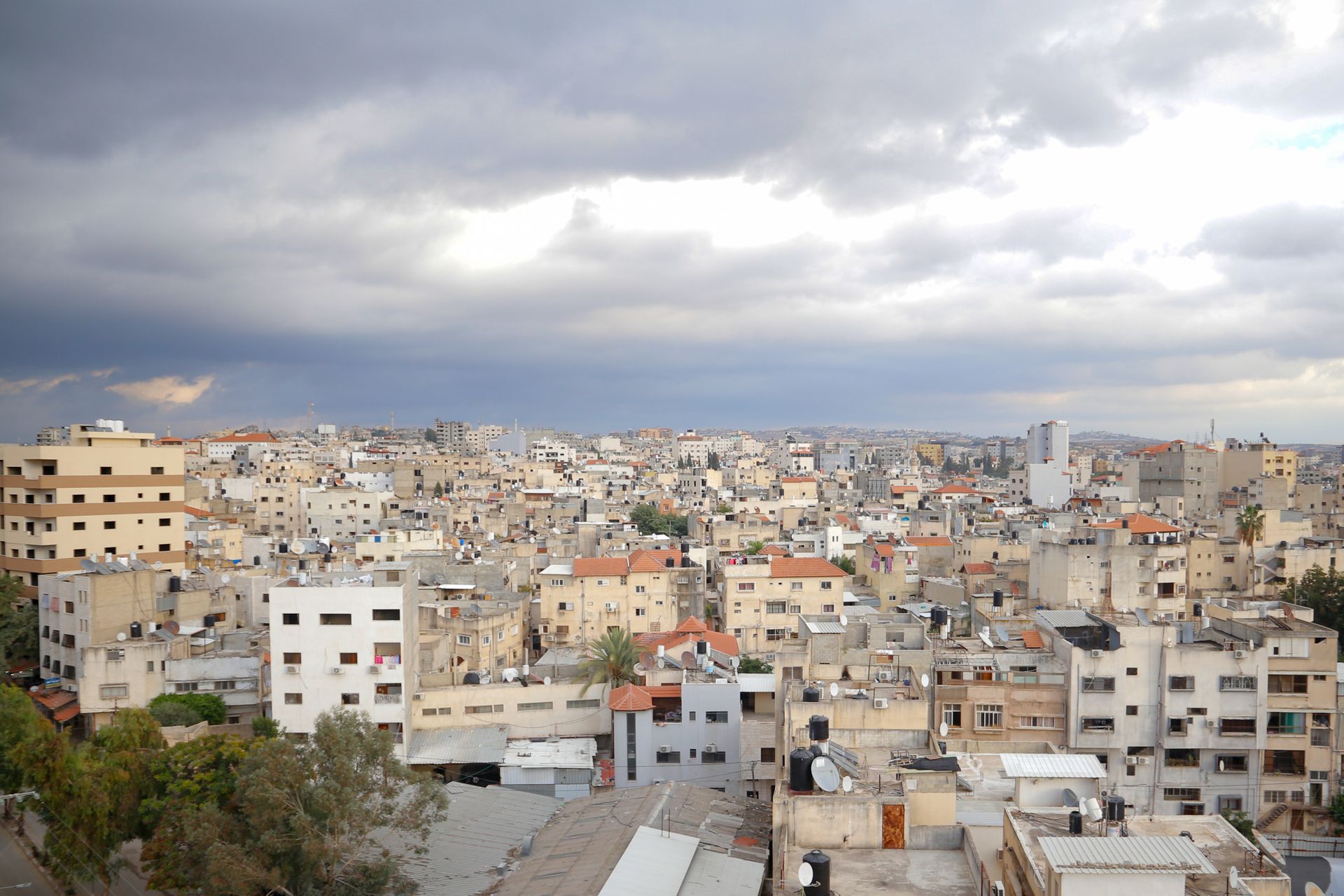
Palestinian President Abbas casts vote in decisive Fatah elections
Palestinian President Mahmoud Abbas cast his vote in internal Fatah elections that will reshape the movement's leadership structure. The ballot will set the agenda for governance priorities and succession planning in the post-Gaza war period.