ACT defers infrastructure projects, banks A$700 million on 'peak construction' pressure
The Australian Capital Territory government said health, emergency-services and sports projects in North Gungahlin will be deferred, citing "peak construction" pressure. The deferral is projected to save roughly A$700 million over four years.

ABC News reports from Canberra that the ACT Treasurer's pre-budget statement on Monday morning ties the deferrals to a 22% rise in construction costs over 24 months caused by fly-in/fly-out labour bottlenecks. The proposed private health clinic in North Gungahlin slips to late 2027, the fire station to the first quarter of 2028 and the multi-purpose sports centre to early 2029.
The report says the decision was endorsed by the fiscal council, which observed that ACT's capital-programme inflation has been measured at 11% over the past 12 months and that starting new projects before labour and cement costs normalise would push multiple projects into concurrent build phases and inflate cost overruns. ACT's heavy-infrastructure pipeline stands at A$9.4 billion.
The opposition leader said the deferral would penalise residents, while a Municipal Republic spokesperson noted that having to deploy fly-in/fly-out workers from Sydney and Brisbane in addition to Canberra has lifted FIFO costs by 18%. S&P Global has kept the ACT's AAA outlook "stable" pending a clearer long-term investment timetable; the FY26 deficit target stays at 1.2% of GDP.
Read next
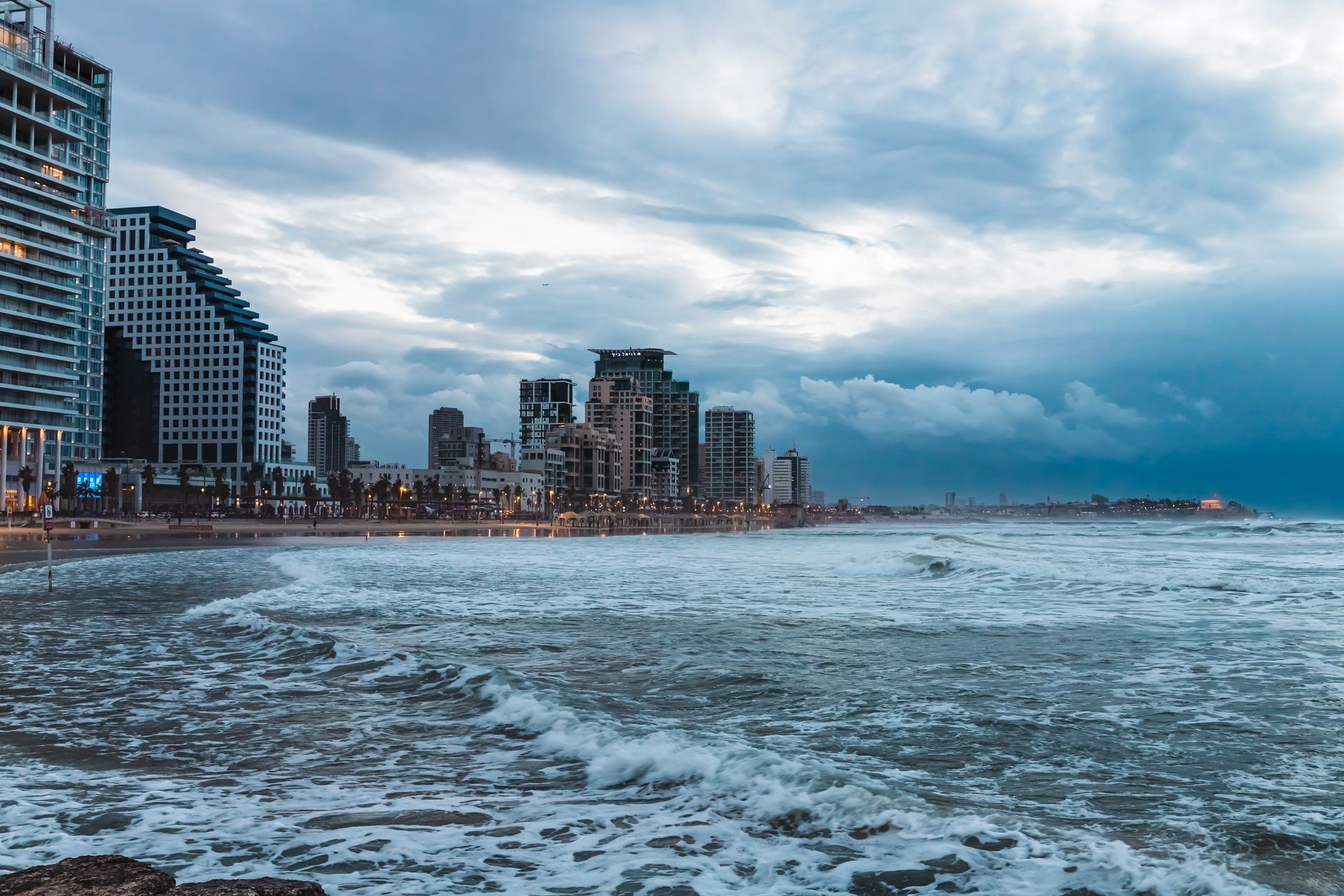
Shooting attack in Israel leaves one dead and five wounded, medics say
Israeli medics said a shooting attack in central Israel killed one person and wounded five others. Israeli police said the suspect is a Palestinian with Israeli citizenship; an investigation is under way and the surrounding area has been tightly cordoned.

Daniel Turpin named as diver killed in WA shark attack near Albany

'It was either kill or be killed': former child soldier still haunted in Mogadishu

European leaders to host Zelensky at Downing Street as pressure on Russia mounts
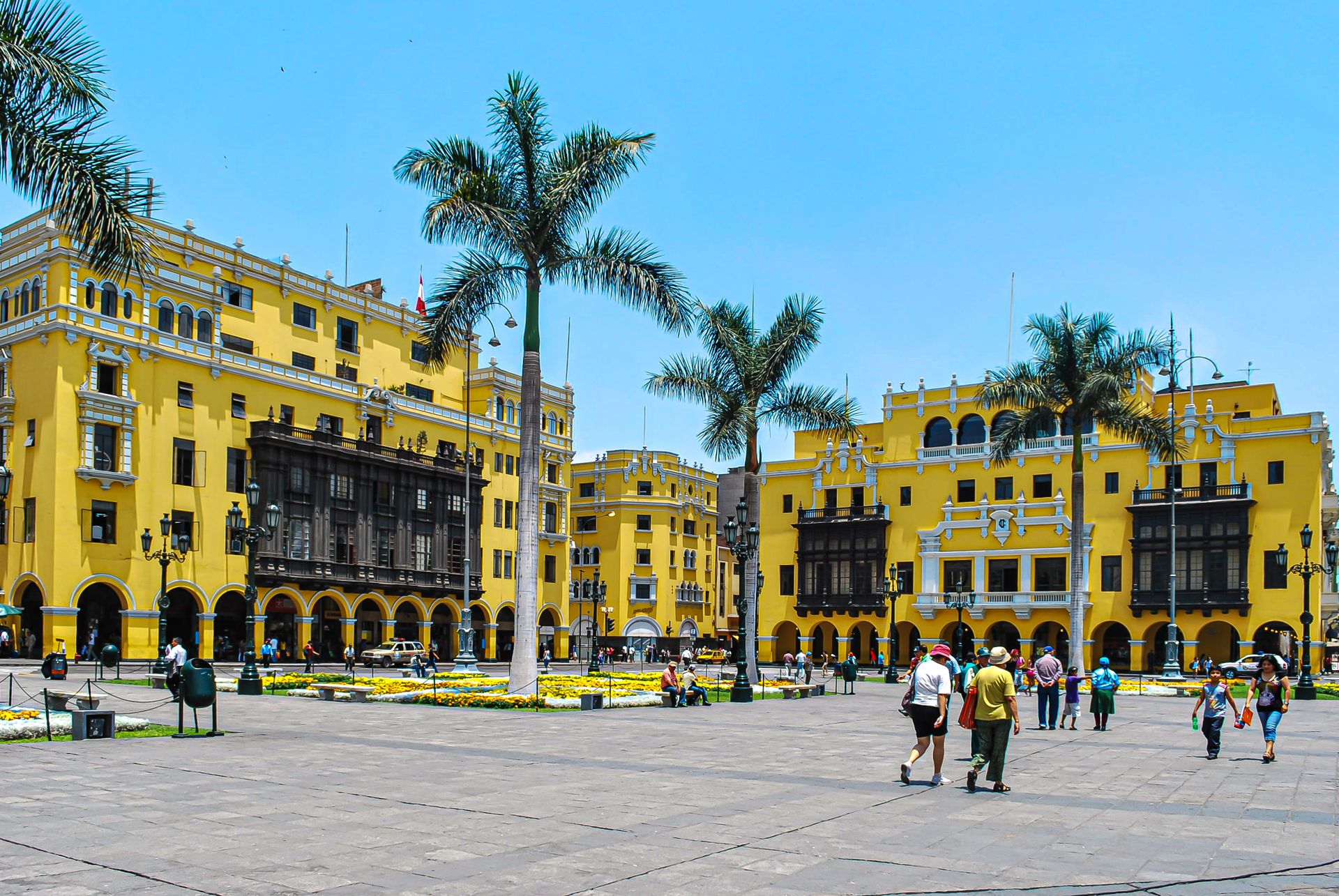
Insecurity and instability drive Peruvian voters in a tight presidential race
